Latvia explained how grain shipments from Russia will be checked for theft from Ukraine
8.09.2026 - 14:17
The inspections of the cargoes will be carried out at the expense of their owners, that is, Russian grain exporters. One inspection can cost up to 900 thousand euros.
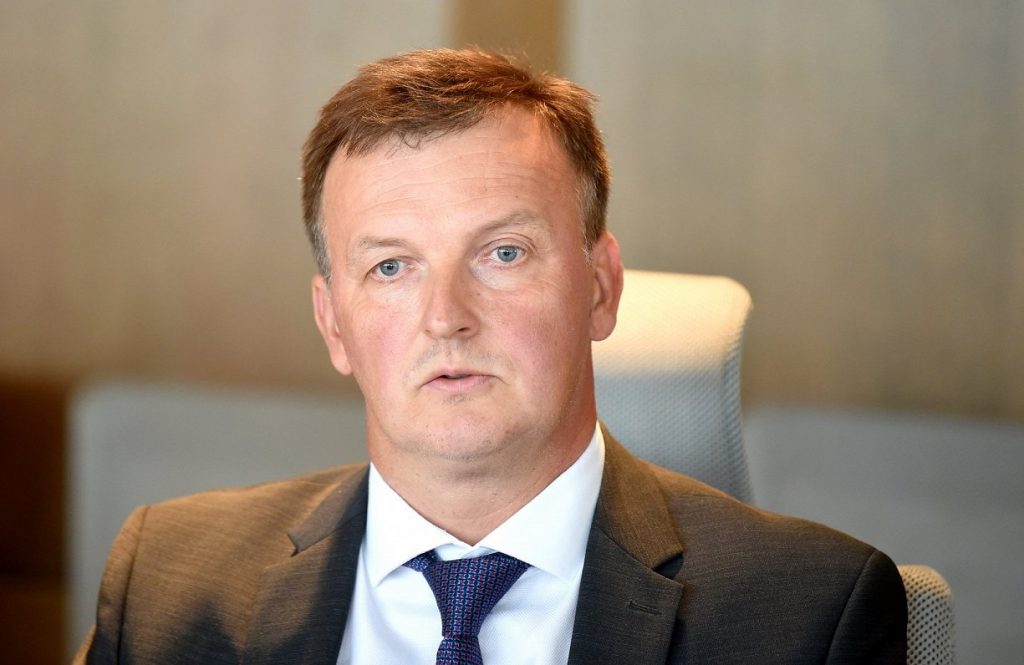
The director of the Food and Veterinary Service of Latvia (PVD), Maris Balodis, said this on the air of LSM, writes European Truth.
The official noted that the purpose of the inspections is to obtain evidence of the illegal origin of the grain, even if the duration of the tests does not allow for an immediate stop to the movement of the cargoes.
Until now, the Food and Veterinary Service has not controlled transit cargoes, since such a practice was not necessary in the EU. If the Latvian government supplements the provisions on border control, the Service will have the right to check both quality certificates and other documents to find out where the relevant cargo came from.
The owner of the cargo and the sender will pay for the inspections and laboratory tests. PVD estimates that one inspection can cost up to 900 thousand euros. After receiving the advance payment, the cargo will be able to continue its journey. If the owner refuses to pay for the checks, the cargo will not cross the Latvian border.
“We will have the right to take grain samples in order to determine their possible geographical origin using isotope and trace element analysis. There is an isotope map of a specific country that allows us to determine whether products, in this case grain, come from a specific region,” explained the PVD CEO.
At the same time, Maris Balodis admitted that this check is very expensive and time-consuming, as it requires the involvement of institutions from several countries, and can also take about a month.
“The DEFRA laboratory in the UK, together with Ukrainian colleagues, created an isotope map of Ukraine specifically for grain – we will take samples, analyze them in France, France will send them to Britain, and then we will receive an answer whether grain corresponding to the Ukrainian profile was found in a specific sample,” he said.
It should be noted that PVD will keep information about the carrier and the origin of the grain. Therefore, if it turns out that the cargo was stolen from Ukraine, this will become the basis for decisions at the European Union level.
As previously reported by USM, Latvia and Lithuania may stop transshipment of Russian grain through their ports.