Moldova and Ukraine postponed the decision on the regime of water discharges into the Dnister
17.09.2026 - 14:49
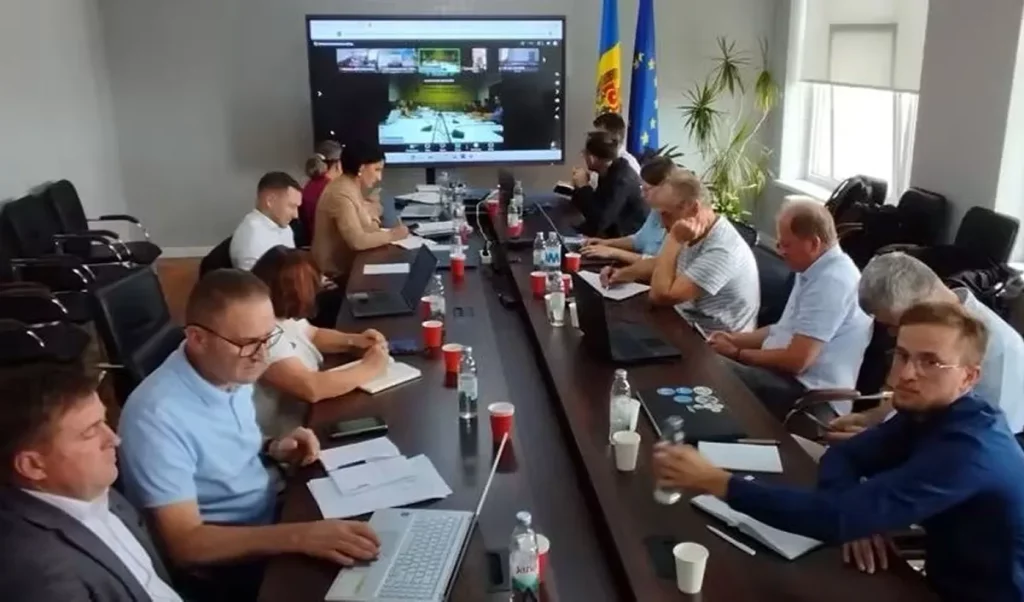
At an extraordinary meeting of the Moldovan-Ukrainian specialized commission, the parties failed to agree on a new regime for water discharges from the Dnister reservoir.
The decision was postponed for two to three days for additional consultations at the national level, the Danube Commission reported.
According to Ilya Trombytskyi, executive director of the International Association of River Guardians Eco-TIRAS, Ukraine and Moldova have noted a critical decrease in the water content of the Dnister on both sides of the border. The drop in flow and river level has already affected not only aquatic ecosystems, but also the water level in coastal wells.
The situation is particularly difficult in the lower reaches of the Dnister. According to the ecologist, the river ecosystem is increasingly undergoing limnification – the gradual acquisition of lake features, slowing down the flow and overgrowth with aquatic vegetation. Such processes worsen the oxygen and hydrological regimes, change the conditions for the existence of aquatic organisms and create a threat of loss of certain fish species.
During the meeting, two main scenarios were considered: reducing the discharge from the Dnister reservoir to 20 m³/s or maintaining it at a level of about 50 m³/s.
According to Ilya Trombytskyi, the first option meets the interests of Ukrainian hydropower, however, an almost threefold reduction in the current volume of discharge can significantly increase degradation processes in the lower reaches. At the same time, even an indicator of 50 m³/s is already assessed as insufficient for the stable functioning of the ecosystem.
The Moldovan side proposed to postpone the final decision for additional consultations, and the Ukrainian side supported this proposal. Information about the results of the meeting was published by the Moldovan media with reference to Eco-TIRAS.
The Institute for Danube Studies noted that this indicates a transition from seasonal low water to a systemic water crisis, in which it is increasingly difficult to meet the needs of the population, energy and natural ecosystems at the same time. However, ecological runoff cannot be considered only as a residual resource available after meeting economic needs.
A sharp reduction in discharge to 20 m³/s may have cascading consequences for the lower Dnister: further slowing down of the flow, deterioration of water quality, oxygen deficiency, increased overgrowing of the channel and loss of spawning grounds. In the future, this will create risks not only for biodiversity, but also for drinking water supply, fisheries and the sanitary condition of the river.
Ukraine and Moldova need to agree not on a one-time compromise, but on a joint anti-crisis protocol for runoff management. It should provide for the minimum ecologically permissible discharge, prompt exchange of hydrological data, a system of threshold indicators and a revision of the operating regime of reservoirs depending on the actual water content. In conditions of prolonged drought, preserving the Dniester ecosystem should be a component of the water security of both states, not a secondary constraint.