Own fleet could protect Ukrainian agricultural exports from port blockade, expert says
24.07.2026 - 10:04
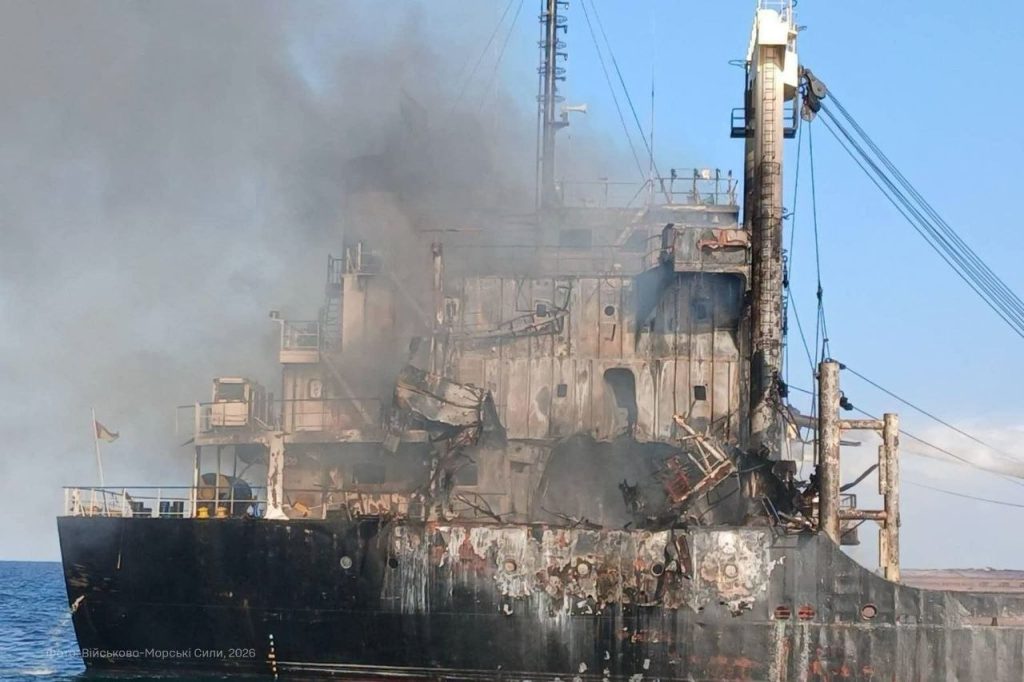
Ukrainian grain traders are still hardly investing in their own vessels, which is exacerbating the crisis caused by Russian strikes on ports.
The blockade of Ukrainian ports has once again made the issue of their own fleet relevant for agro-exporters. This is what BPG Shipping Director Gennadiy Ivanov writes.
According to him, having their own vessels would give traders significant flexibility. Part of the cargo could be transported from the Danube to Constanta, and then use their own fleet, optimizing logistics, freight and demurrage. At the same time, the vessels would work in other regions of the world for the most part.
Thus, a Supramax-class vessel with a deadweight of 55,000 tons carries about 400 thousand tons of cargo per year. In a moderate market, it generates about $4 million, which is equivalent to a freight hedge of about $9–10 per ton. Added to this is the value of the asset itself on the liquid market for buying and selling vessels.
With the exception of a few large agrotraders operating their own vessels in a cautious test mode, the market is not moving. Ivanov names several reasons. The first is the lack of readiness for a long-term strategy. The vessel earns 10–20% per annum throughout its entire service life, i.e. 10–25 years. In contrast, other schemes give 40–60% right now, although they carry regulatory risks.
The second is the psychological factor of “visual contact” with the asset. The elevator can be visited at any time, and the vessel is currently somewhere off the coast of Brazil.
The third is the lack of trust in specialized specialists with a reputation in the market. Instead, investors often follow “schemes” from advisors without real expertise who seek to get their own percentage. As a result, the project is slowed down at the initial stage.
As Ivanov emphasizes, the current freight crisis is not the first and will not be the last. The efficiency of global logistics is increasingly based on internal integration. Big players like Bunge or Louis Dreyfus have long had their own fleet or ships chartered for a long period. For comparison, he cites Greece, which became a world leader in shipping after the adoption of relevant legislation.
As Ukrainian President Volodymyr Zelenskyy said the day before, the Russians are trying to do everything to block the Ukrainian grain corridor.