The Black Sea has become more dangerous than the Strait of Hormuz, — The Guardian
19.10.2026 - 09:31
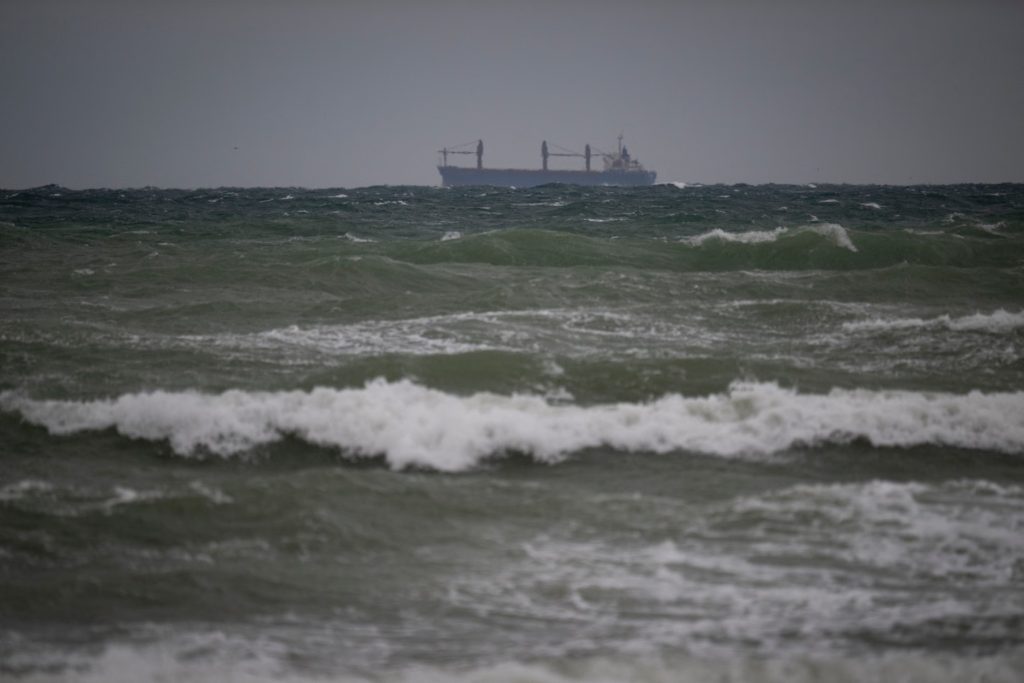
More sailors have died in the Black Sea in a week and a half than US soldiers in the entire war with Iran.
Attacks on merchant ships in the Black Sea are aimed at undermining Ukrainian agricultural exports and are bringing the war closer to the shores of NATO countries. This is stated in the material of The Guardian.
“While attacks on merchant ships in the Black Sea are not a new phenomenon, we are observing an escalation in both the number of attacks and their geographical scope… Russia’s intention is clear — to undermine Ukrainian grain and agricultural exports,” said Thomas Alexa, a senior analyst at Ambrey.
According to Ambrey, approximately 80% of such incidents are attributed to Russian forces. The intensity of attacks has increased significantly since July, while the nature of the targets has not changed — ships involved in trade with Ukraine remain under attack.
The most high-profile incident in recent times was the Russian attack on the civilian vessel Alfa Watan, which was heading to the Romanian port of Sulina. Early on the morning of October 6, the crew of the Bulgarian ferry Dioscuria heard an explosion 70 miles from the city of Byala. When they arrived, the sailors found only an overturned lifeboat and life jackets floating in the water—no sign of the ship’s 10-person crew.
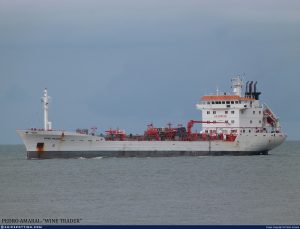
Six days later, drones hit another vessel off the Bulgarian coast, the HS Dignity, killing 11 crew members. By Thursday, the attacks had reached Romanian territorial waters: the chemical tankers Wine Trader and Yara J caught fire, and seven more sailors were missing.
“While the world’s attention has been focused on the risks to sailors passing through the Strait of Hormuz, the Black Sea has become a more dangerous route in recent months, with more sailors killed there in a week and a half than US servicemen in the entire war with Iran,” the article says.
Now the number of ships calling at Ukraine has fallen sharply. Insurance rates have risen, and sailors and operators are increasingly reluctant to work in the Black Sea basin — even on ships not involved in Ukrainian cargo.
The vast majority of the more than 60 deaths of sailors in the Black Sea since the start of the full-scale invasion have occurred in the past year.
“Every attack increases the risk to crews of all nationalities, increases the cost of insurance and restricts the supply of food to those who depend on it,” Colonel Joby Rimmer, a senior British military adviser, told the OSCE meeting.
Recently, USM wrote that ships are refusing to enter Bulgarian ports, putting 5 million tons of wheat at risk.