The ports of Reni and Izmail can handle about 15–20% of Ukraine’s agricultural exports
3.11.2026 - 17:30
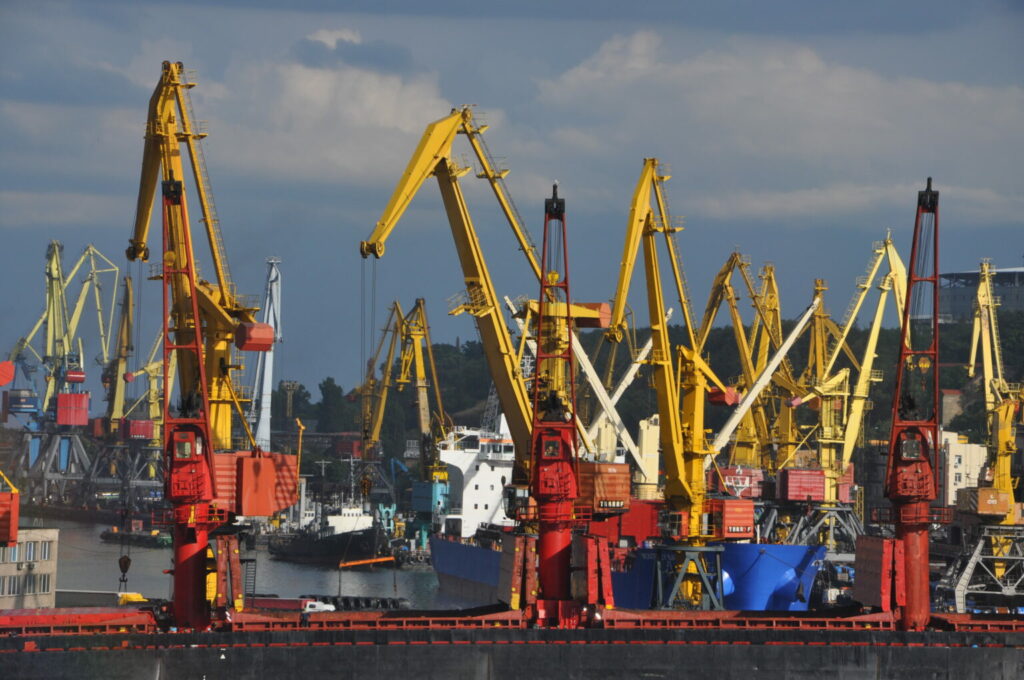
The Danube ports of Reni and Izmail can handle only about 15-20% of the country’s total exports.
Russian attacks on shipping in the Black Sea have sharply reduced cargo traffic through Ukraine’s deep-water ports at a time when farmers need funds to prepare for the next planting season, AP News reports.
According to Lloyd’s List Intelligence, only 21 ships called at Black Sea ports in August, a 90% drop from a year earlier. The sharp rise in insurance premiums and the constant threat of Russian strikes are deterring shipowners.
In turn, exports through ports on the Danube have increased, despite lower capacity and more expensive logistics. Among the main problems on this route are low water levels on the Danube due to drought and queues on the Sulin Canal.
According to Volodymyr Slavinsky, Nibulon’s trade director, barges that used to carry 1,500 tons now load only 800–900 tons.
“To transport the same volume, almost twice as many barges are needed, which increases costs. At the beginning of this year, transporting each ton of corn from central Ukraine to Spain cost up to $50. Now this amount can reach $150. It is still risky, and there are no guarantees that the voyage will be successful,” Slavinsky noted.
Commercial Director of HarvEast Holding Olena Shelest noted that previously about 60% of the company’s sales were carried out through Black Sea ports.
“The Danube ports of Reni and Izmail can handle only about 15–20% of the total national exports. Land routes through Poland and other European countries are an alternative, but are associated with higher transport costs,” Olena Shelest added.
This pressure, she said, is forcing farmers to cut spending on seeds and fertilizers, jeopardizing future harvests.
Read also: Due to the shutdown of the ports of Great Odesa, 5 million tons of sunflower may not be processed.