Ukraine will not agree to permanent restrictions on agricultural exports after joining the EU, — Vysotskyy
7.10.2026 - 12:58
Kyiv considers temporary transitional periods acceptable, but rejects permanent restrictions on agricultural exports.
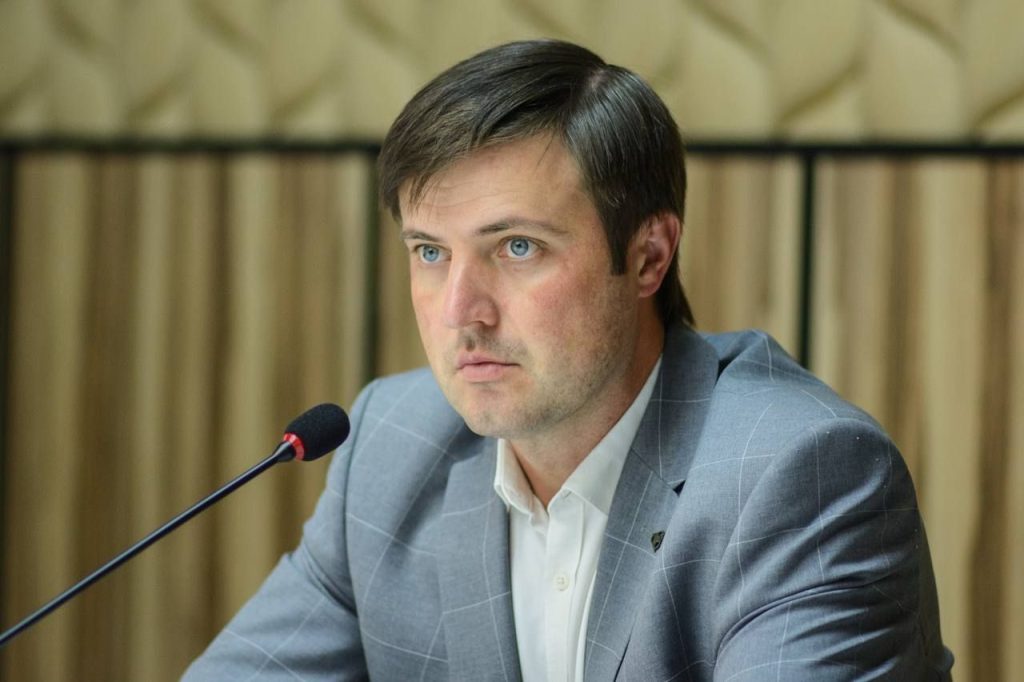
Ukraine cannot agree to a model of EU membership that would permanently limit the sale of certain food products on the bloc’s market. This was stated in a comment to Politico by Minister of Agrarian Policy and Food Taras Vysotskyy.
The minister clearly distinguished between two options. Ukraine is ready to accept temporary transitional periods. On the other hand, permanent restrictions introduced as a condition of membership exclusively for Ukraine would contradict the very logic of full accession to the European Union.
“Our goal is to achieve membership with a sector that sells not only grain and other raw materials to Europe, but also animal feed, ingredients, processed products and biofuels,” Vysotsky noted.
The reason for the statement was a package of documents adopted by the European Commission on October 6 in preparation for the upcoming enlargement. It states the intention to “significantly limit financial support and market access for sensitive agricultural products” from Ukraine.
Vysotsky urged European partners not to view Ukraine solely as a competitive threat to local producers. According to him, Ukrainian membership could reduce the EU’s dependence on imports from third countries — in particular, for fertilizers, soybeans and lysine for animal feed — and give European producers better access to export routes across the Black Sea.
The discussion comes against the backdrop of the refusal of its neighbors to expand transit. A few days earlier, Politico reported that Poland and Romania were not ready to significantly increase their capacity for Ukrainian grain.
A representative of the Polish Ministry of Infrastructure said that the country “does not plan to introduce any changes aimed at increasing the transit of Ukrainian agricultural products.” Romanian Agriculture Minister Barna Tances dismissed the prospect of a significant expansion of capacity, stressing that “the interest of our own farmers remains a priority.”
The day before, USM reported that AMEU is asking the EU to intervene in the situation with the transit of Ukrainian cargo through Constanta.