What’s happening with freight, the fleet and the Sulina Canal. Interview with Avalon Shipping Operations Manager Kateryna Kononenko
16.03.2026 - 17:35
Danube ports remain an important alternative route for Ukrainian exports during the war. At the same time, the transportation market in the region is changing rapidly. It is affected by war risks, the new tariff policy on the Sulina Canal, and the general situation on the freight market.
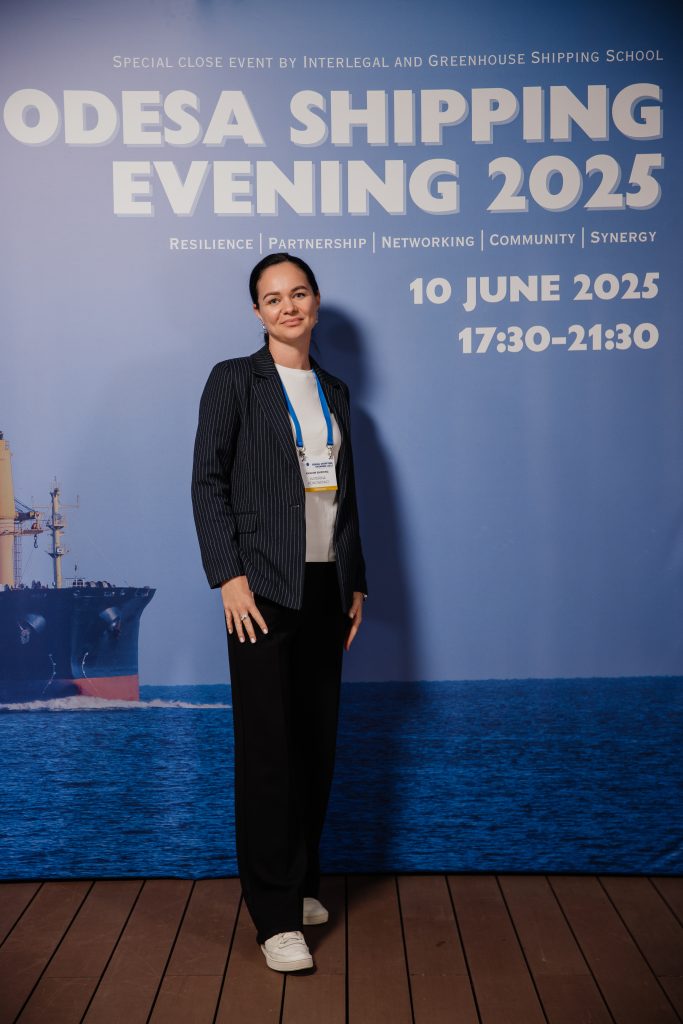
USM spoke with Avalon Shipping Operations Manager Kateryna Kononenko about how the Danube route works today.
— When an exporter chooses between Great Odesa and the Danube, what is more important to him: the risk of shelling, the cost of logistics, or schedule stability?
— Over the past year, schedule stability has become a key factor. If earlier exporters primarily assessed the cost of logistics, today the predictability of operations plays a decisive role.
Delays occur due to shelling and power outages. They occur both when ships are berthed and during cargo operations. This directly affects contractual discipline. Charterers suffer losses due to disruption of delivery deadlines.
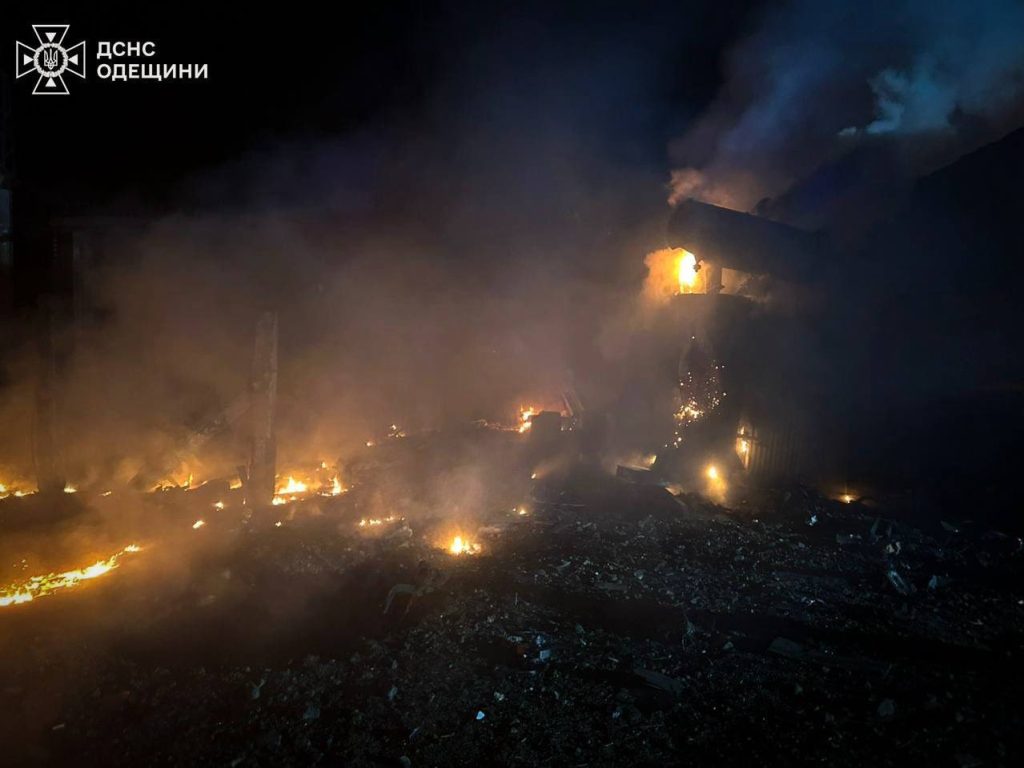
In our practice, there have been two recent cases when vessels were forced to change the port of discharge from Chornomorsk to the port of Pivdennyi. The wait for a berth could exceed a week. This created a risk of disruption of the next fixation.
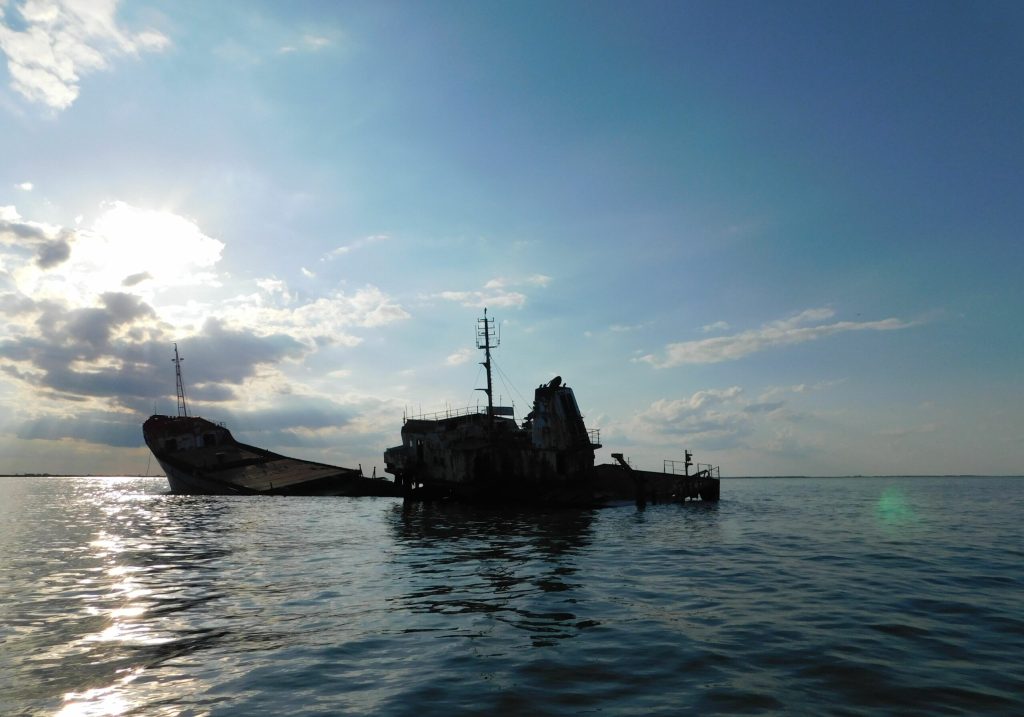
— In 2025, traffic through Sulina fell significantly. Which market segments reacted the fastest — small operators, individual types of fleet or certain categories of cargo?
— The fastest reaction was demonstrated by the port service segment. This primarily concerns agency companies, surveyors and other auxiliary operators.
The decrease in the number of ship calls directly led to a reduction in volumes. Some specialists returned to work in the ports of Great Odesa. Activity is gradually recovering there. Others were forced to change their field of activity.
At the same time, the decrease in traffic has intensified competition between agents in Sulina. The smaller market volume has forced agents to reduce the cost of their labor. To retain clients, they offer additional bonuses and make compromises.
— Sulina tariffs are often talked about as a single figure. But in practice there are several types of payments. What costs most often arise during the voyage?
— The main overruns are usually not related to the basic tariffs, but to operational delays.
The most typical example is the additional time the pilot stays on board. This directly increases the cost of pilotage. The reasons can be different: fog, problems with the anchor or other operational issues.
Another example is the forced waiting at the anchorage in Tulcea. This happens when the channel is temporarily closed due to weather conditions or traffic restrictions. One day of such waiting costs 64 euros. If the ship has been idle for three days, this is almost 200 euros of additional costs.
— In 2026, the tariffs are different for cargo and ballast voyages. How does this change business behavior?
— To be honest, no significant changes in market behavior have been observed so far. Overall, the passage through Sulina according to the standard scheme — entry in ballast and exit with cargo — even became somewhat cheaper compared to previous periods. At the same time, shipowners traditionally pay attention to the level of tariffs. They emphasize the decrease in the profitability of their business. Therefore, they constantly ask for the maximum possible discounts. And sometimes they threaten to go to other agents.
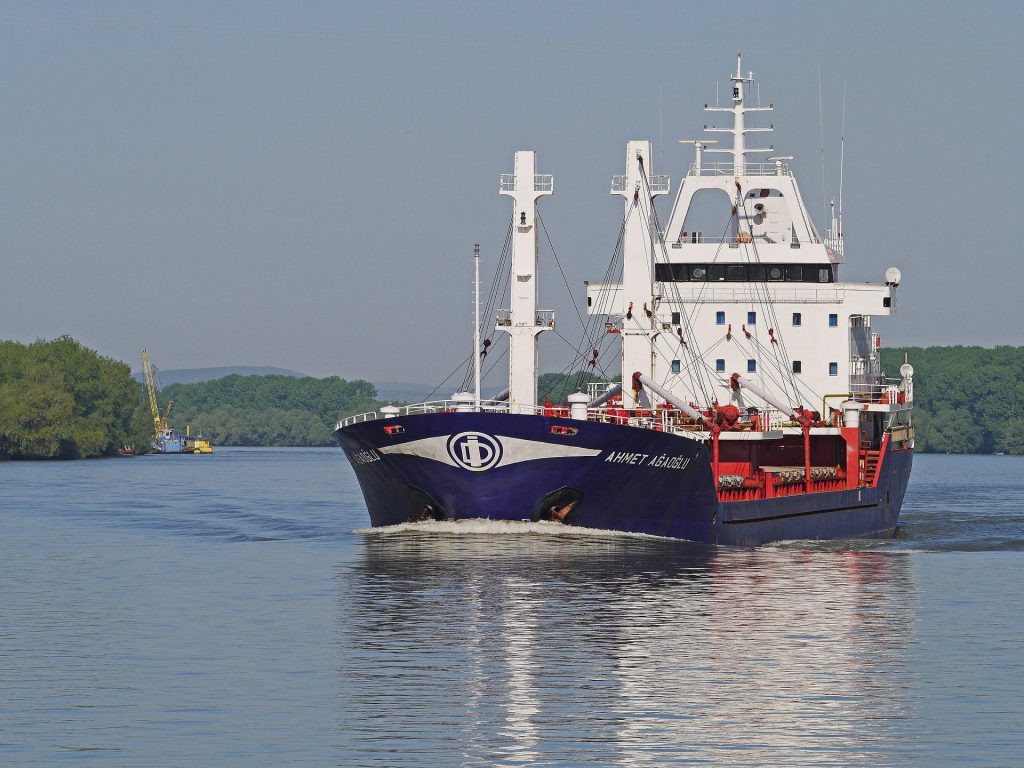
Read also: The number of ships passing through the Sulina Canal decreased by more than 50% in 2025
— There are restrictions on the passage of dangerous goods in Sulina. How does this affect the market?
— Currently, goods such as ammonium nitrate only go to Giurgiuleşti or Galati. Sometimes the ship is already at Sulina. But we do not yet know the exact port of unloading. We have to wait for the final decision.
There are usually no serious delays. They are mainly due to the weather. If the canal is closed for 2–3 days, a queue of 10–15 ships can form. But usually everyone enters within two days. At the same time, tankers, dangerous goods and livestock have priority for passage through Sulina.
— What changes could quickly make the Danube cheaper and more stable for business?
— First, it is necessary to increase the depth of the Bystrya Canal. Currently, 5.2 m is very small. A vessel can only pass through the Bystrya in ballast. Or is this an option only for vessels of the Volgo-Balt type (editor’s note: river vessels with a maximum draft of up to 4.1 meters – sometimes exceeding the norm).
There are vessels that are on the black list of the Paris Memorandum of Understanding on Port State Control of Ships. Theoretically, they can enter the Danube. But practically they cannot. They do not pass through the Romanian canal, and there is not enough draft through the Ukrainian one.
The second important aspect is the optimization of the toll structure. In particular, a review of the canal toll for vessels heading to the port of Reni through the territorial waters of Izmail. For vessels with a deadweight of about 5 thousand tons, this means additional costs of 3-5 thousand dollars.
It is also important to resolve the issue of the mandatory use of a Romanian pilot in the area between 44 and 64 miles. This creates additional costs for shipowners.
All these costs are ultimately included in the freight rate. And are transferred to the charterer.
In addition, the duration of voyages to Ukrainian ports has increased significantly. The reason is regular delays due to air alarms and power outages.
Sometimes even a week is not enough to load a ship with a deadweight of 7 thousand tons. At the same time, shipowners are forced to pay for war risk insurance (EWRI) every seven days. Due to uncertainty about the loading dates, they take these risks into account in advance. And they increase freight rates.
— Has the structure of the fleet operating on the Danube routes changed?
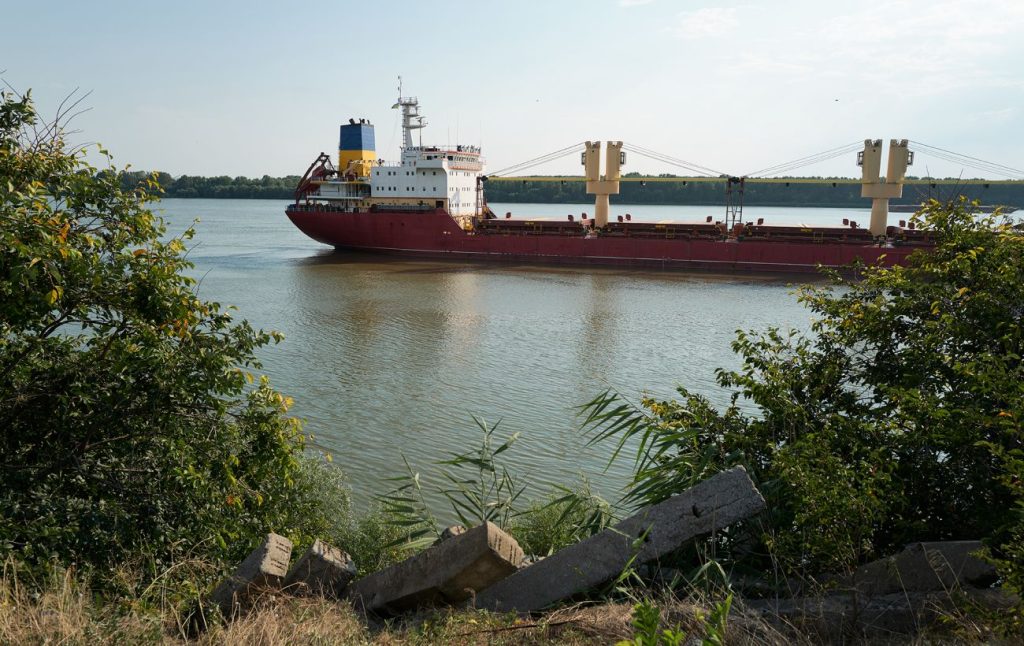
— We very rarely come across Greek shipowners. The main market participants remain Turkish businessmen. Shipowners from the Middle East also operate.
In general, in the conditions of war, the fleet operating on the Danube is mainly older. If we talk about significant changes over the past two years, in my opinion, the only changes are the tariffs in Sulina.
— Is there a shortage of certain types of vessels for Danube routes?
— There is a saying: “There is a buyer for every product.” If the charterer is willing to pay the appropriate rate, there will always be a vessel.
There is a fleet on the Danube. And, comparing our company’s statistics with last year, I can say that it is no less than in 2025.
— What to expect from the 2026 season?
— I can only say with certainty that the fleet will be on the Danube. As for the level of freight rates, in the current conditions of global events, it makes no sense to make any predictions.
Unfortunately, the war in the Middle East has not bypassed the Danube ports. Freight rates have increased. Shipowners explain this by the rise in fuel prices.
There is now a trend when the charterer is already forming a contract for an “open ship” with agreed volumes and terms. Shipowners, in turn, are in no hurry to fix voyages if there is still a lot of time before laycan. They are watching the market.
Not long ago, the difference between the charterer’s and shipowner’s expectations was approximately $2–3 per ton. Usually, a compromise was found quickly. Now this gap has increased significantly. And it has become more difficult to negotiate.
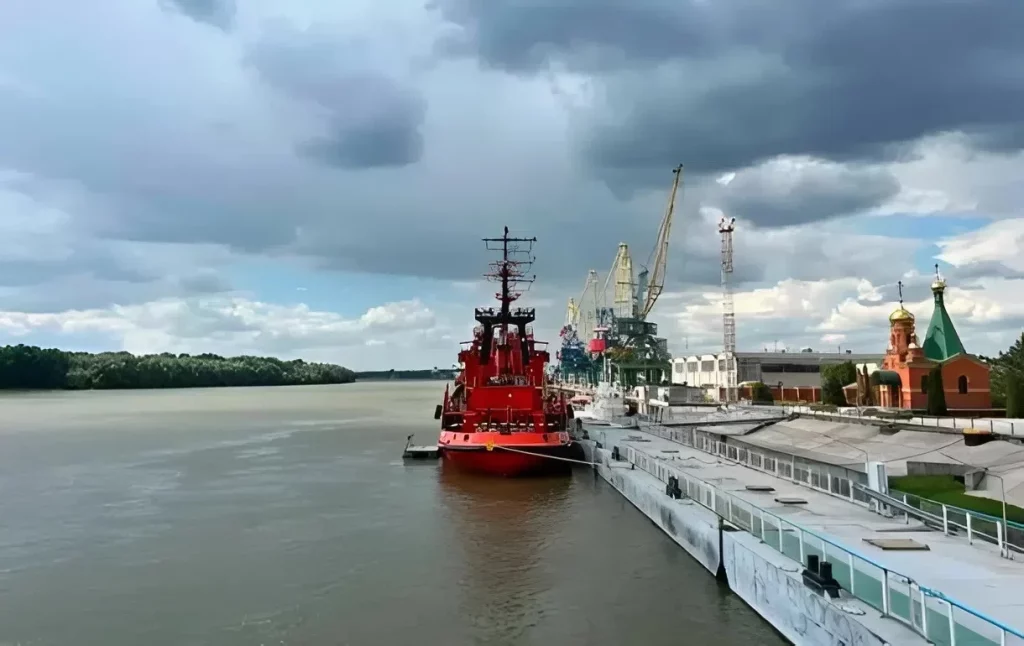
USM previously reported that the Ministry of Development outlined plans for the Danube ports for 2026. It is expected that these measures will ensure the operation of the Danube ports at a level of not less than 15 million tons of cargo per year.
In particular, it is planned to create a single administration of the Danube cluster and transform state stevedores into modern corporate enterprises, maximize automation of processes in ports and develop the River Information Service and increase the efficiency of logistics connections towards the Danube seaports through the use of multimodal solutions.