Russia boosts seaborne oil exports to highest in a month, Bloomberg
29.04.2026 - 12:10
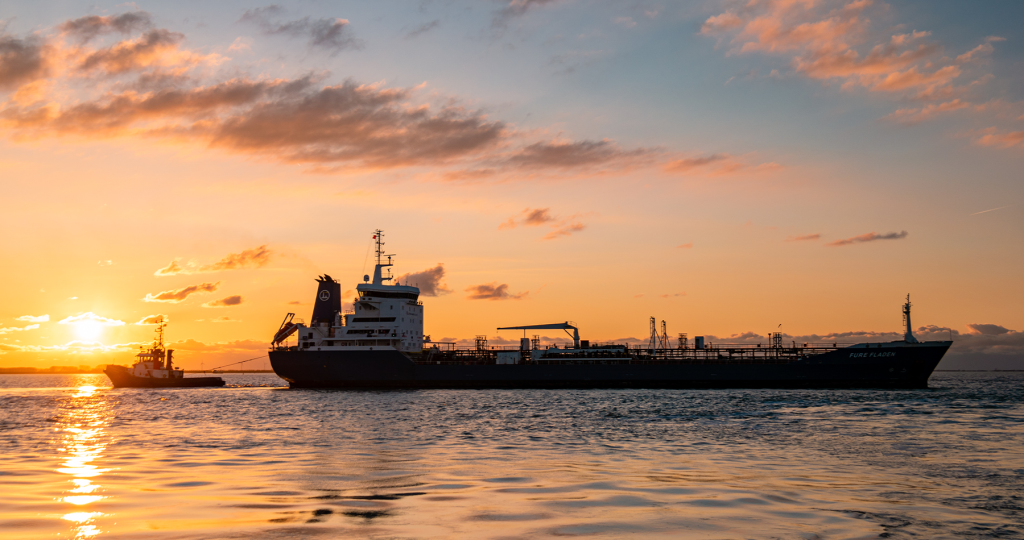
The surge in shipments came as crude oil flows were reoriented toward exports due to processing problems.
Russia has increased seaborne oil shipments to their highest level in more than a month as the impact of previous strikes on port infrastructure began to fade, Bloomberg reported.
According to tanker tracking data, average exports in the four weeks through April 26 rose to 3.52 million barrels per day, while in the past week the figure rose to 3.79 million barrels per day, the highest since late March.
Earlier, Ukrainian drone attacks on key export hubs — in Primorsk, Ust-Luz on the Baltic Sea and Novorossiysk on the Black Sea — significantly limited shipments and led to a drop in exports.
At the same time, damage to Russian oil refining capacity has had an additional effect. With reduced processing capacity, more crude is being sent for export.
The increase in supplies has led to an increase in the volume of oil “on the water”. The total volume of Russian oil at sea has reached about 114 million barrels, compared to 100 million barrels two weeks earlier. At the same time, the volume of cargoes lying idle on tankers for more than a week has decreased to less than 5 million barrels.
The geography of supplies has also changed significantly. In particular, shipments to India have increased. At least 10 batches of ESPO oil loaded in April are headed to this market – three more than in February. At the same time, such voyages take about three weeks, while delivery to China takes only about four days.
At the same time, the resumption of gas supplies to Hungary via the Druzhba pipeline could reduce the volume of oil available for sea exports by about 150-200 thousand barrels per day.
Against this background, Russian oil prices have begun to decline. The price of Urals from Baltic ports fell to $98.41 per barrel, from Black Sea ports to $96.67/barrel. The price of ESPO fell to $91.97/barrel, and deliveries to India to $129.47/barrel.
As USM reported, the day before, Ukraine attacked a dry cargo vessel and tugboat used by the Russians in the occupied territory.