
Blockade of the Strait of Hormuz could cost the world a new “2008”
22.05.2026 - 11:18
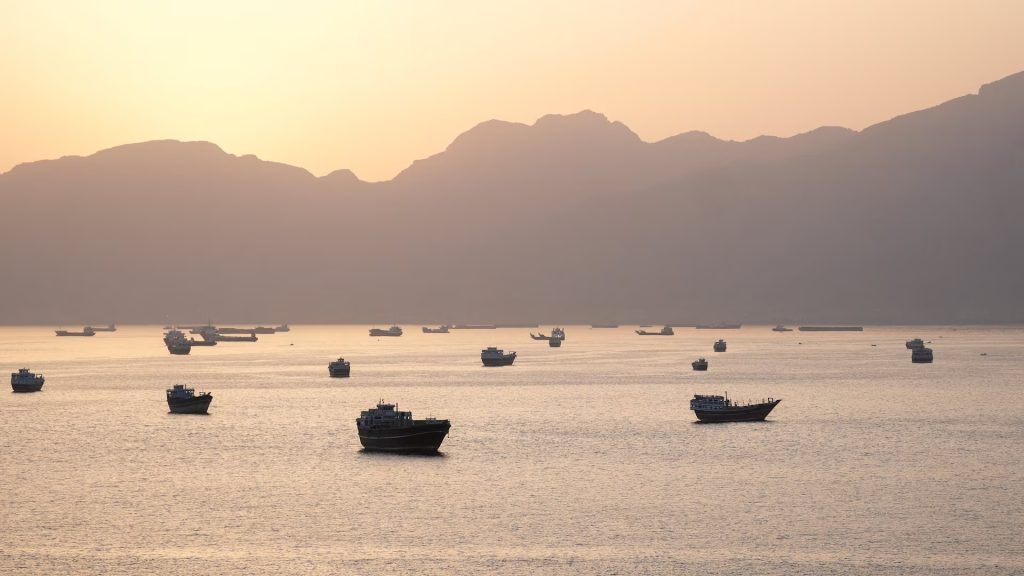
Analysts warn that prolonged disruptions to shipping could trigger a deep oil shortage, a new price spike and a global recession.
A prolonged blockade of the Strait of Hormuz could trigger a recession comparable to the global financial crisis of 2008, Bloomberg reports, citing estimates by the American consulting company Rapidan Energy Group.
Analysts consider the baseline scenario in which navigation through the Strait of Hormuz can be restored in July. In this case, global oil demand could fall by 2.6 million barrels per day, and the price of Brent crude could rise to around $130 per barrel over the summer.
However, if supply disruptions continue until August, the global oil market deficit could deepen to around 6 million barrels per day in the third quarter. According to Rapidan Energy Group, this would create risks of a significant slowdown in the global economy.
The company notes that the current macroeconomic situation is not yet as critical as during the oil crises of the 1970s or the global financial crisis of 2007–2008. At the same time, further growth in oil prices may increase financial and macroeconomic risks in the world.
Analysts also warn that even in the event of a partial resumption of shipping in early August, markets will remain under pressure for some time. The reason is the reduction in global oil reserves and the slow recovery of exports from the Persian Gulf countries.
The Strait of Hormuz is one of the world’s key energy routes: before the beginning of the current crisis, about a fifth of global seaborne oil supplies passed through it. Due to hostilities and restrictions on shipping, transit volumes have already decreased significantly.
Against the backdrop of the aggravation of the situation, oil prices in May remain extremely volatile. Investors are closely monitoring the progress of negotiations between the US and Iran, assessing the prospects for the restoration of stable shipping in the region. USM recently wrote that shipping giants have found a partial solution to bypass the blockade of the Strait of Hormuz.