Odesa Port Plant may be divided into parts and liquidated after the sixth failed privatization
21.10.2026 - 11:19
Maintaining the closed enterprise costs the state UAH 62 million per month.
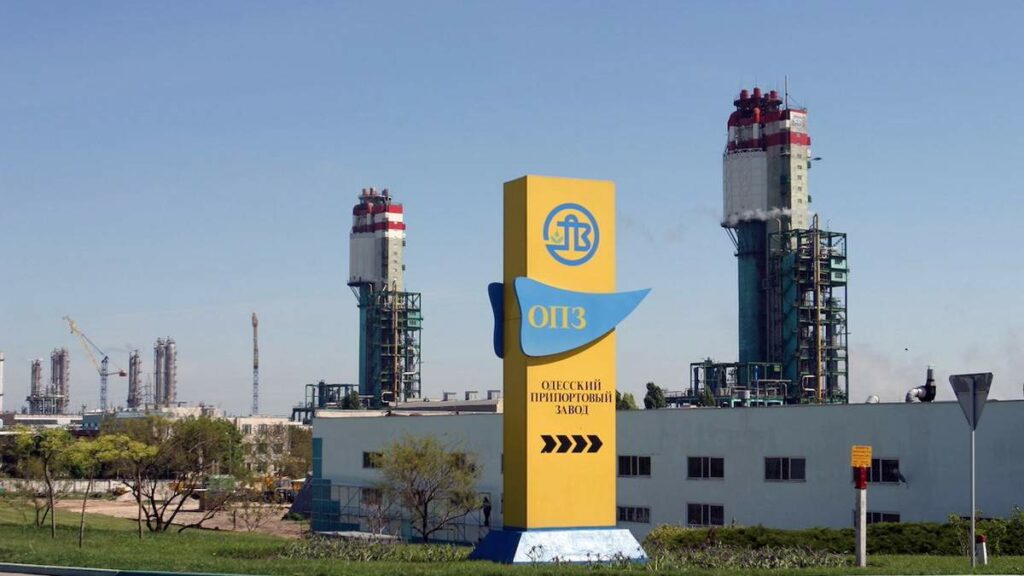
The Odesa Port Plant may be divided into several legal entities with subsequent liquidation. Forbes Ukraine writes about this with reference to sources.
Under this scenario, the chemical treatment unit will be transferred to the balance of the city of Pivdenne, and the remaining assets of the plant will be sent for liquidation. The BCH provides treatment of city wastewater, so its complete shutdown may have environmental consequences.
The head of the State Property Fund, Dmytro Natalukha, confirmed the existence of a backup plan for the OPP, but did not disclose details. According to him, maintaining the closed plant costs the state approximately UAH 62 million per month.
The auction for the sale of 99.5667% of OPP shares at a starting price of UAH 4.308 billion was to be held on October 19. It was canceled the day before – not a single participant registered on the site. This is the sixth failed attempt to privatize the company.
On the eve of the auction, the situation looked promising. Five potential investors signed non-disclosure agreements, including the American-Israeli Marco International, a syndicate of American investors, and DTEK.
Natalukha calls the reason for the failure political uncertainty, which complicates long-term investment planning.
“In the context of the economy, this creates an almost absurd paradox — the risks of war have become more predictable than the risks of politics,” he noted.
At the same time, without understanding when the sea will open and the plant will be able to provide itself at least through transshipment, it is impossible to calculate the required amount of state financing and its duration.
On the eve, USM reported that the auction for the privatization of the Odesa Port Plant did not take place due to the lack of participants.