Alternative routes can take on up to 75% of the cargo of the maritime corridor, — Derkach
26.08.2026 - 15:25
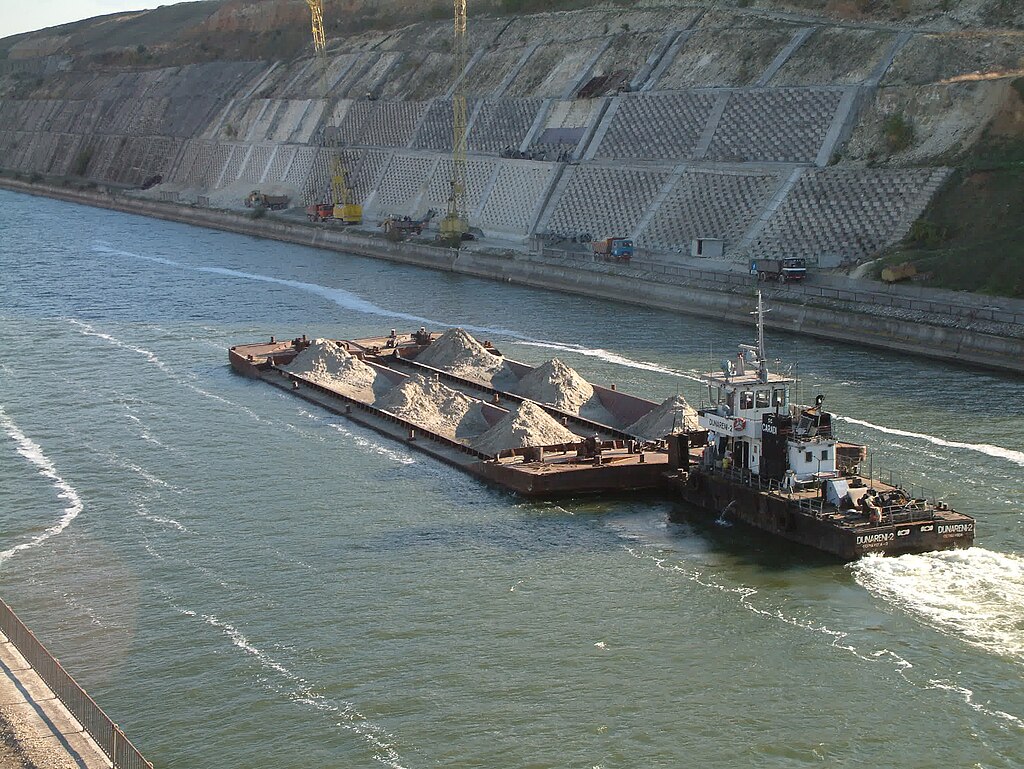
Alternative logistics routes can ensure the export of about 4.5 million tons of cargo per month out of approximately 6 million tons.
This was stated by First Deputy Minister of Reconstruction, Infrastructure and Transport Serhiy Derkach in a comment to the Interfax-Ukraine agency.
Alternative logistics routes through Danube ports, railways and automobile checkpoints can ensure the export of about 4.5 million tons of cargo per month out of approximately 6 million tons that were previously transported via the Ukrainian maritime corridor.
“This figure gives us the opportunity to export… The information that we have a collapse in exports is not true,” he stressed.
According to Derkach, out of approximately 6 million tons of cargo transported via the sea corridor every month, approximately 4 million tons were grain, and another approximately 2 million tons were mainly metals and iron ore.
One of the main alternative directions remains the Danube ports. They have already switched to an enhanced mode of operation and are able to tranship up to 3 million tons of cargo per month.
Derkach admitted that Russia has also intensified attacks on the Danube port infrastructure. At the same time, according to him, the ministry is taking additional measures to ensure the operation of the ports. Over the past month, the volume of transhipment on the Danube has already tripled.
The resumption of round-the-clock work of Romanian pilots on the Sulina Canal could additionally increase the throughput capacity of the direction. Currently, the passage of ships is carried out only during the day. Ukraine is discussing this issue with Romania and the European Commission.
The Ministry of Infrastructure is also working with the Romanian side to train Ukrainian pilots. After receiving the relevant certificates, they will be able to conduct ships through the Sulina Canal.
Another 1-1.5 million tons of cargo per month can be transported by rail, and about 200-300 thousand tons by road. Together, these routes form a potential of approximately 4.5 million tons per month.
To increase road transportation, Ukraine continues to develop border infrastructure. In particular, a bridge is being built across the Dnister between Ukraine and Moldova in the Yampol district of Vinnytsia region. In the future, the Yampol-Koseuts checkpoint should operate as a full-fledged road checkpoint with a bridge crossing.
Also, four lanes for freight transport have already been equipped at the Porubne-Siret checkpoint on the border with Romania. After the completion of the relevant work on the Romanian side, its cargo throughput capacity should double. It is expected that about 150 trucks for export will be able to pass through this checkpoint daily.
In general, the ministry expects to increase the throughput capacity of the Ukrainian border by 15-20% during the year due to the development of lanes at checkpoints.
According to Derkach, this is important not only for exports, but also for imports, since more than 30% of imported cargo arrives in Ukraine by road.
At the same time, alternative routes increase logistics costs.
“If we are talking about oilseeds, for example, then this increase in costs is not so critical for them. For grain, it is unprofitable, because they (exporters) will lose money. On the other hand, if you simply urgently need to get at least some amount of working capital and export grain, then this is possible,” Derkach explained.
He also noted that this year’s logistics situation is more difficult than in 2022 and previous years, as Russia has significantly intensified its attacks on the entire transportation chain — warehouses, ports, bridges, checkpoints, locomotives, and individual cars.
According to the Ukrainian Sea Ports Administration, from January 1 to August 24, 185 attacks were recorded on the ports of the Odesa region, 92 attacks on ships in ports and another 69 attacks on ships outside ports.
According to Ukrzaliznytsia, during the entire period of the war, Russian troops carried out about 6.1 thousand attacks on railway infrastructure. At the same time, more than 1.5 thousand attacks fell on the period from January 1 to August 20 of this year.
Earlier, USM reported that the USPA explained how the queue of ships for passage through the Sulinsky Canal is formed.