Kernel waives dividends for 2026 due to Black Sea blockade
5.10.2026 - 11:22
Instead, the funds will be used to restore damaged assets and develop alternative logistics routes.
Kernel’s board of directors recommended not to pay dividends for the 2026 fiscal year. Latifundist writes about this with reference to the company’s annual report.
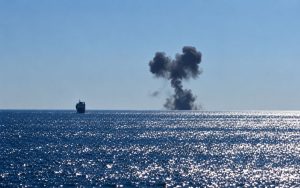
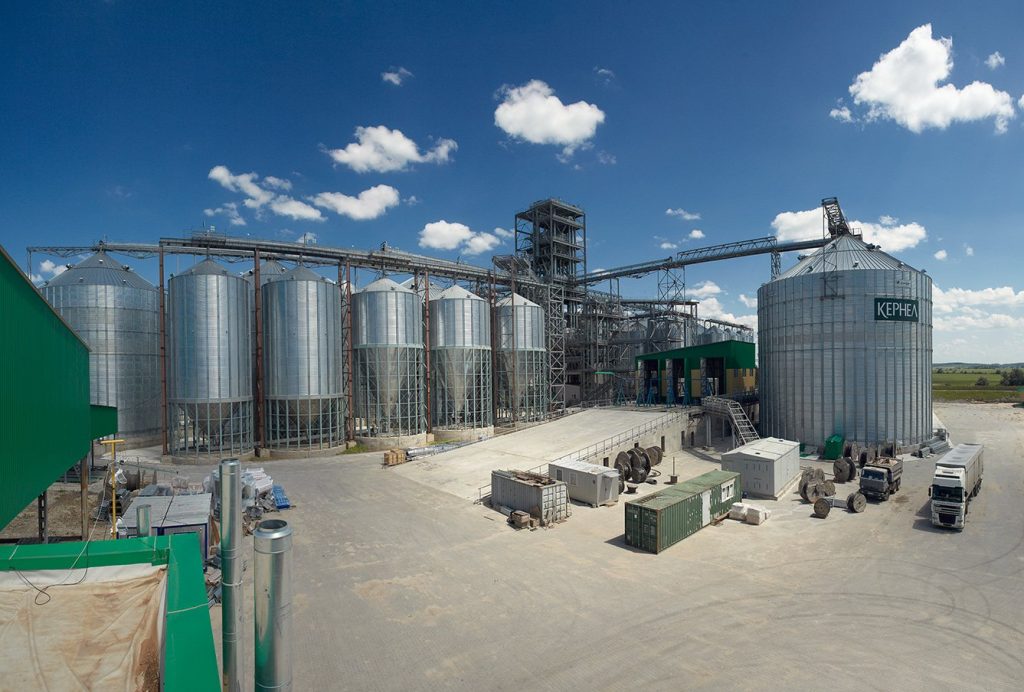
The decision is related to the security situation at sea. According to the company, after the Russian Federation’s attacks on port infrastructure and commercial vessels in July, the number of vessel calls to deep-sea ports decreased by about tenfold. Kernel’s assets in Chornomorsk suffered repeated damage during these strikes.
“The renewed Russian attacks have damaged our port infrastructure and increased risks for commercial shipping in the Black Sea, creating significant uncertainty regarding export logistics and the use of our assets,” the company’s founder and chairman of the board of directors, Andrey Verevsky, noted in the report.
The company’s priorities for the near future include adapting its logistics model, maintaining flexibility in its product flows, restoring damaged assets, and ensuring as many alternative export capacities as possible — even if this requires additional investments.
The paradox is that the company ended the fiscal year itself with improved performance. The group’s revenue grew by 7% — from $4.12 billion to $4.4 billion, mainly due to an increase in the physical volume of grain and edible oils sales. Exports accounted for 94% of revenue.
EBITDA increased by 20% — to $558 million versus $466 million a year earlier. Net profit attributable to shareholders increased by 35% — to $322 million. Earnings per share were $1.10 versus $0.81.
Kernel terminals exceeded a record 9.587 million tons of agricultural products — 5% more than last year. Grain exports increased to 6.3 million tons (+15%).
Net debt at the end of the fiscal year amounted to $736 million, the ratio of net debt to EBITDA — 1.3x. The increase in the company’s debt load is explained by the activation of investments and the expansion of the operating platform.
According to Kernel representatives, the financial buffer was formed due to the relative stability of Black Sea exports last season. However, the beginning of the 2027 fiscal year was complicated by the situation in the Black Sea, so the company is operating in liquidity preservation mode.
Also, the day before, USM reported that Kernel sold three elevators with a total capacity of 131 thousand tons.