Ukrainian metallurgy could lose up to $200 million per month due to problems with sea exports
5.08.2026 - 11:00
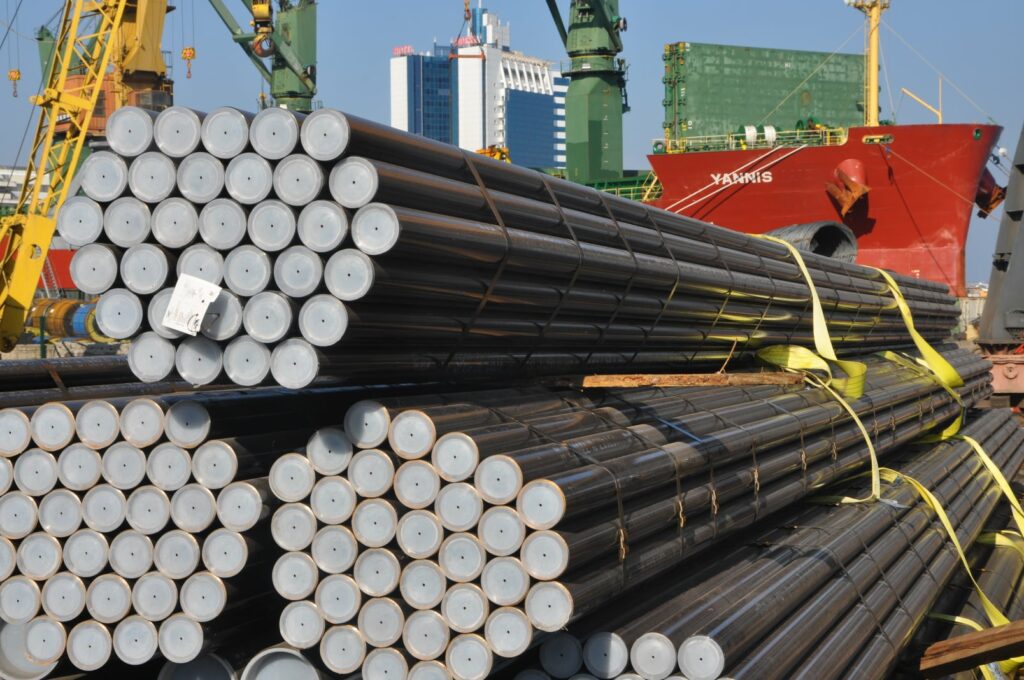
The closure of seaports may lead to the shutdown of part of the iron ore capacity and a reduction in production in the sector.
This was reported by GMK Center Chief Analyst Andriy Tarasenko.
According to him, the current situation is more difficult for Ukrainian metallurgy than a complete blockade of sea exports in 2022. The industry remains critically dependent on maritime logistics, while the possibilities of reorienting exports to the EU market and through European ports have significantly decreased.
In the first half of 2026, 50% of Ukrainian steel exports, 95% of pig iron exports, and half of iron ore exports passed through the sea corridor.
In 2022, the loss of the sea route was partially compensated by the abolition of tariffs and trade restrictions for Ukrainian products by the European Union. In July 2026, on the contrary, import quotas came into force, which, according to the GMK Center, could reduce Ukrainian steel exports to the EU by 60% compared to 2025.
An additional blow will be suffered by exports of semi-finished steel products. In the first half of the year, Ukraine shipped about 520 thousand tons of such products by sea, mainly to Bulgaria, Romania, Turkey, Italy and Spain. Rerouting these cargoes via land routes is economically unprofitable due to low margins and costs associated with CBAM.
The mining sector remains the most vulnerable. In 2022, iron ore was exported through European ports thanks to prices of about $120 per ton. Now prices have fallen below $98 per ton, which is why such logistics are no longer profitable.
The closure of the sea corridor also complicates the import of coking coal, about 70% of which Ukraine receives from the USA and Australia. Delivery through European ports with subsequent transportation by rail can be twice as expensive and increase the cost of raw materials by about 15%.
According to the GMK Center, direct losses of Ukrainian metallurgy due to reduced exports can amount to $150-200 million per month. This amount does not take into account additional costs for the delivery of raw materials, increased production costs and the risk of stopping individual enterprises.
Earlier, USM reported that losses to the agricultural sector due to the suspension of sea exports could reach $3 billion.