Ukrainian strikes forced Russia to transport gasoline from India through Egypt
13.08.2026 - 10:29
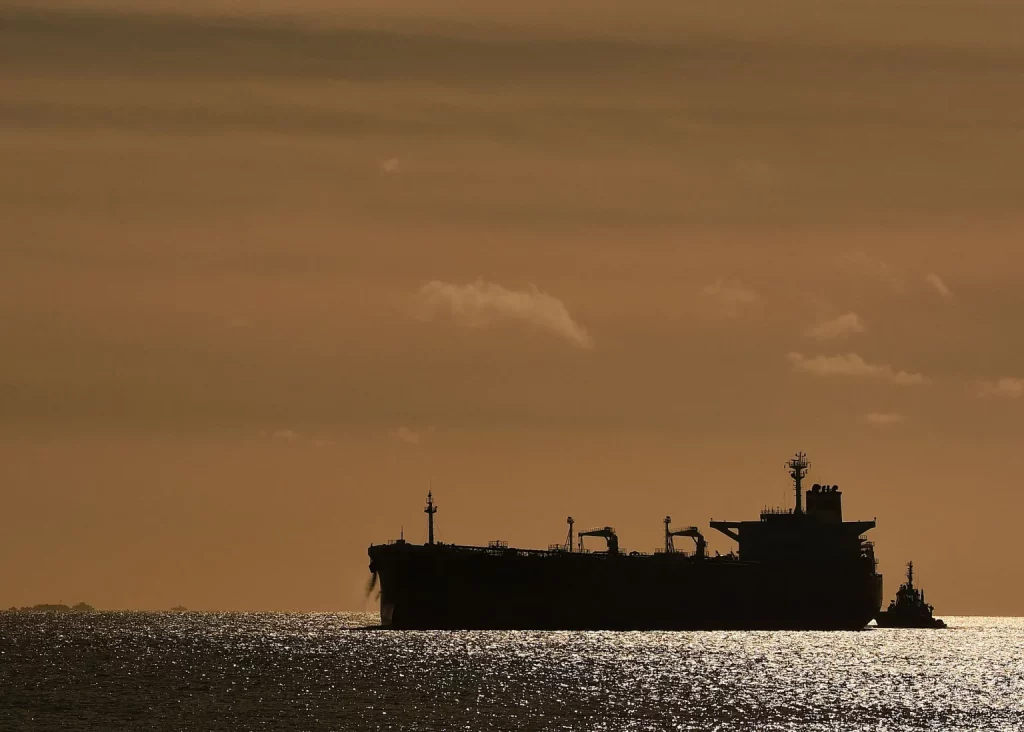
Moscow has begun importing gasoline from India for the first time, and the fuel is delivered via a complex route with transshipment off the coast of Egypt.
Russia has begun importing gasoline from India amid an acute fuel shortage that has worsened after Ukrainian attacks on Russian refineries. Bloomberg reports.
The Russians received the first shipment of about 42,000 tons on August 5. The fuel was produced by Indian Nayara Energy, one of the shareholders of which is Russia’s Rosneft.
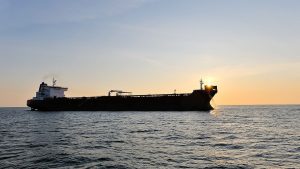
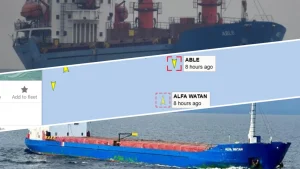
However, the logistics of the delivery turned out to be unusually complex. Thus, on June 18, the gasoline was loaded by the Russian-flagged tanker Cyclone in the port of Vadinar in India. On July 6, the cargo was transshipped to the Omani-flagged Garnet in the Egyptian port of Damietta. In early August, the ship delivered the gasoline to Russia.
Two more tankers, the Varg and the Photon, also loaded gasoline in Vadinar and transshipped in Damietta at the end of July.
This is the first recorded case of Russian gasoline imports from India. All vessels involved in the scheme are under EU and US sanctions.
“The arrival of the Indian consignments is particularly notable. The cargoes, which complement imports from Belarus and other neighboring markets, underscore the severity of the current domestic gasoline imbalance and the extent to which the decline in refinery output is altering traditional Russian commodity trade flows,” said Kpler senior analyst Sumit Ritolia.
According to EA Analytics, Russia’s oil refining volume in July was about 3.6 million barrels per day — about a third below seasonal levels. Last week, Ukrainian forces struck five Russian refineries, and this week, at least two more.
The shortage has already had an impact on Russia’s domestic market. Restrictions on gasoline sales at gas stations have spread to at least 16 Russian regions. Russia has also extended its ban on gasoline exports until the end of 2026.
Imports from India also have another telling aspect. Following the tightening of EU sanctions against Russian oil, Nayara Energy is increasingly using “shadow fleet” tankers and cargo transhipment to export petroleum products.
In particular, the company’s Vadinar refinery, with a capacity of about 400,000 barrels per day, needs new sales channels after one of its key customers, Hindustan Petroleum, increased its own fuel production.
USM previously reported that Russia is increasing its Arctic convoy of tankers to export oil to Asia.