Another association opposed the 45% increase in UZ freight tariffs
2.06.2026 - 16:42
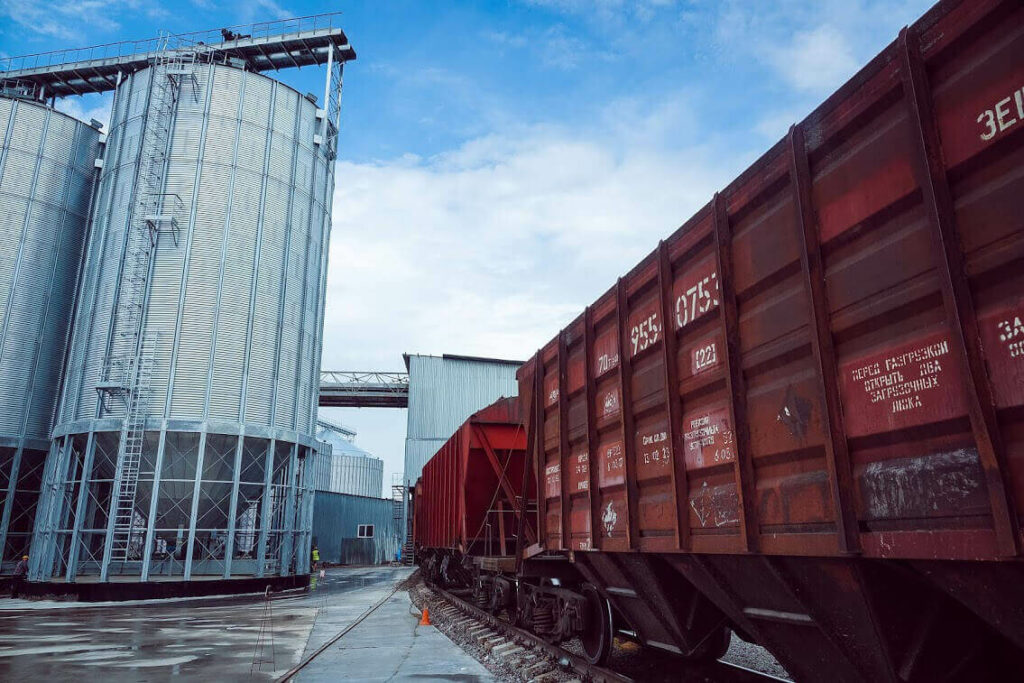
The All-Ukrainian Association of Communities has opposed the planned increase in freight rail freight tariffs by JSC Ukrzaliznytsia.
The association has sent a corresponding letter to the Prime Minister of Ukraine Yulia Svyrydenko and the Head of the Office of the President of Ukraine Kyrylo Budanov.
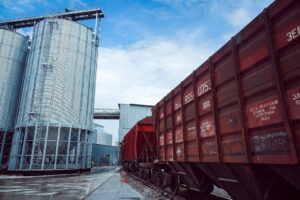
JSC Ukrzaliznytsia plans to increase freight rail freight tariffs by 45% starting in August of this year. The All-Ukrainian Association of Communities notes that the increase in freight rail tariffs will inevitably lead to a massive shift of cargo from rail to road transport. For businesses, this will be a forced step to minimize logistics costs, but for communities, the consequences of such a process will be catastrophic. Most of the 118 thousand km of local roads are already in unsatisfactory condition due to many years of underfunding.
According to the State Recovery Agency, the underfunding of the road sector exceeds 90% of the real need: out of the required 51.3 billion UAH, only 4.6 billion has been allocated – this is 25 times less than was allocated to roads before the full-scale invasion in 2019. The mass transition of heavy goods transport to local roads will only accelerate their destruction, and the costs of repairs will fall on local budgets without any compensation from the state or the carrier.
VAG note that the reason for the difficult financial situation of UZ is not in the freight segment, which remains profitable, but in the chronic unprofitability of passenger transportation. According to available estimates, the losses of the passenger segment in 2026 may exceed 25 billion UAH.
The growth of logistics costs worsens the competitiveness of enterprises both in domestic and foreign markets. Entire chains of economic and labor relations have been formed around each large production facility: transport companies, contractors, suppliers, educational institutions, thousands of small businesses. The shutdown of one large enterprise can lead to the loss of income and jobs in dozens of communities in different regions.
The VAG is convinced that the implementation of such a decision in conditions of martial law, economic instability and an acute shortage of financial resources will have extremely negative consequences not only for enterprises and exporters, but also for territorial communities of Ukraine, which are already working under conditions of a significant reduction in financial capabilities and a constant increase in the burden on local budgets.
The implementation of the Ukrzaliznytsia initiative in conditions of war can simultaneously cause:
• a reduction in production and the shutdown of large enterprises, which will lead to the closure of small and medium-sized businesses in communities;
• a deterioration in employment and job losses;
• a decrease in revenues to the state and local budgets;
• destruction of local road infrastructure;
• increased transport isolation of communities;
• loss of export revenue and devaluation of the hryvnia.
“In conditions of war and the need for economic recovery, state decisions should be aimed at supporting production, exports, employment of the population and financial capacity of communities, and not at creating additional barriers for those enterprises that provide jobs, foreign exchange earnings and filling budgets of all levels,” the Association said in its appeal.
In view of this, the VAG addressed the state leadership with three specific requests:
• prevent an increase in freight railway tariffs in 2026;
• initiate the development of a long-term mechanism for state compensation for losses from passenger transportation;
• ensure the formation of railway policy on the principles of economic competitiveness and balanced development of territorial communities.
In the appeal, the Association emphasized that the social function of the state in the field of passenger transportation should be financed through transparent budgetary mechanisms, as is the case in most European Union countries through the state compensation mechanism (PSO – Public Service Obligation), and not through constant increases in tariffs for enterprises.
Earlier, USM reported that UCAB called on UZ to refuse to increase tariffs for freight transportation.