The Danube cannot yet replace deep-sea corn exports, — PUSK
30.07.2026 - 15:18
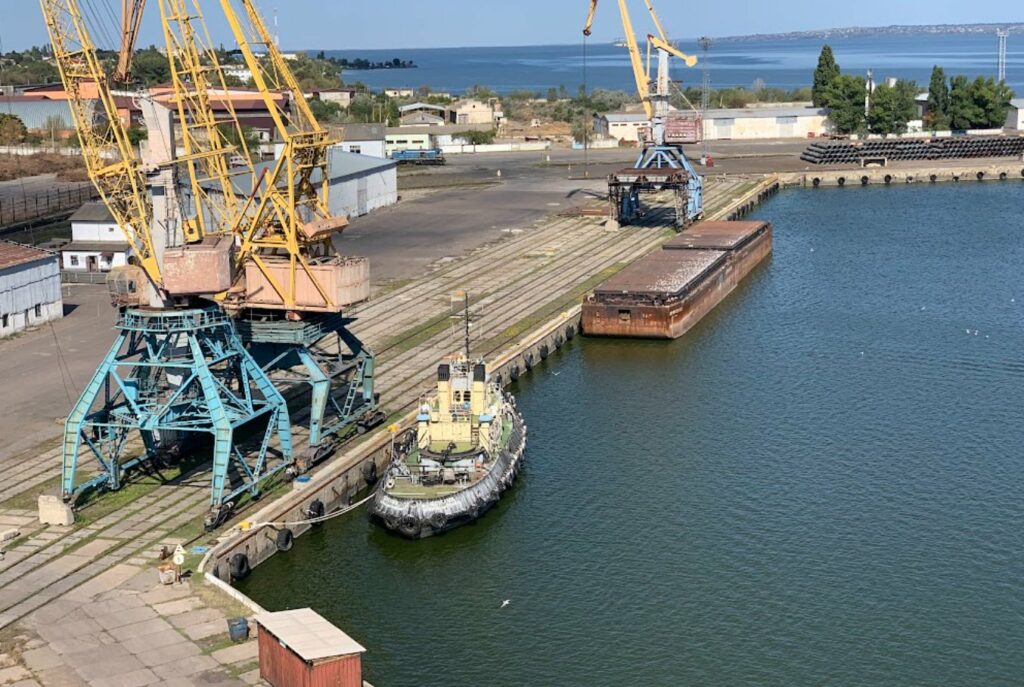
Even if the Danube ports handle only corn, it will take about 11 months to export the projected volume.
The Danube ports are unable to compensate for the loss of deep-sea transshipment of Ukrainian corn in the event of a prolonged shutdown of the ports of Great Odesa. This is the conclusion reached by PUSK analysts.
According to their estimates, on the eve of the new marketing season, Ukraine will have about 5 million tons of transitional stocks of corn. Even if about 1 million tons are exported before the start of the new harvest, about 4 million tons will remain on the domestic market.
According to a realistic scenario, this year’s corn harvest will be 34–35 million tons. Thus, the total supply on the market could reach 38–39 million tons – the highest figure since the start of the full-scale war.
At the same time, analysts emphasize, alternative logistics will not be able to ensure the export of such volumes.
“Even if the Danube ports operate exclusively for corn transshipment, it will take about 11 months to export such a volume. And this is provided that other crops are not shipped at all. If deep-water ports do not resume work, calculations show that the price of corn may drop to $140–150 per ton on a CPT basis, and even lower if events turn out to be unfavorable,” the PUSK notes.
Despite the risks for the domestic market, the global situation remains favorable for exporters. The PUSK draws attention to the deterioration of corn crops in France and the expected reduction in the harvest in the USA by almost 30 million tons, which will potentially support world prices.
However, Ukraine will be able to take advantage of the favorable situation only if deep-water ports operate stably. In the absence of sea exports, the surplus of corn will remain on the domestic market, which will put pressure on purchase prices.
Analysts recommend that producers who plan to sell corn in the fall consider entering into forward contracts now. According to analysts, if the work of deep-water ports does not resume, losses due to falling prices could reach $50-70 per ton.
At the same time, USM reported the day before that Ukraine and Romania are working to increase the capacity of Danube ports.