Ukrainian Magura naval drones could become a key weapon against China
26.06.2026 - 10:21
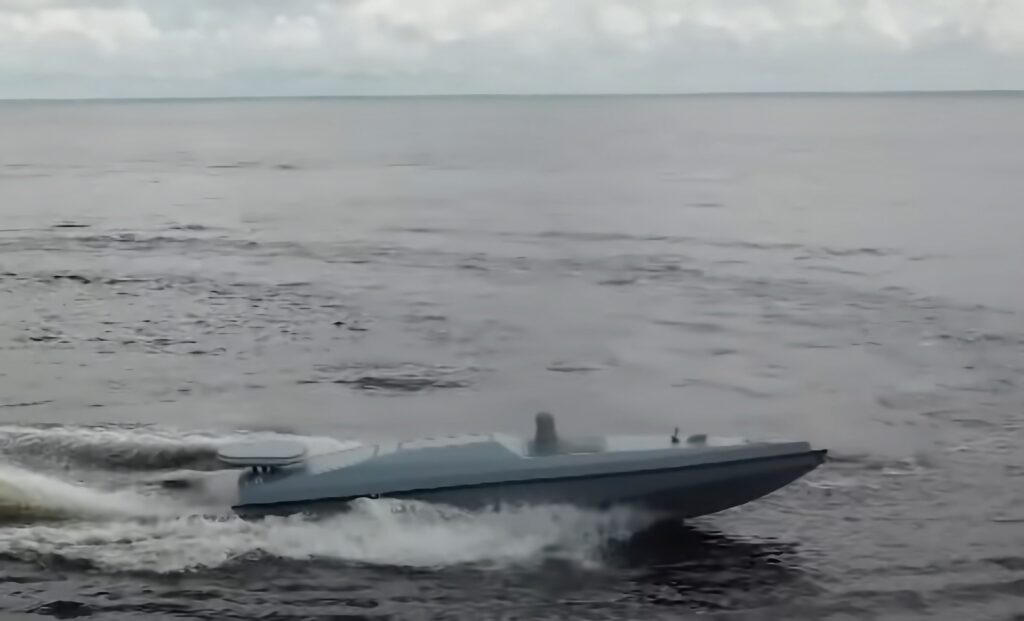
US Special Forces Use Magura-Class Naval Drones for First Time in Indo-Pacific, Sinking Decommissioned Ship During Exercises in the Philippines.
Armies from the US to China have entered a race to develop naval drones that are rapidly changing the nature of warfare in the Indo-Pacific. The impetus was largely provided by Ukraine’s experience using them against the Russian Black Sea Fleet, Bloomberg reports.
During recent exercises in the Philippines, US Special Forces used Magura-class unmanned boats for the first time in the region, sinking a decommissioned target ship. This is the same type of Ukrainian-developed drone that has been used to devastating effect against the Russian fleet in the Black Sea.
“This is exactly what we need more of — distributed, survivable, relatively affordable systems that will help deny China the ability to use the seas around Taiwan and the First Island Chain,” said former US Navy submarine captain Thomas Shugart of the Center for a New American Security.
The key advantage of naval drones is the price. One device costs several hundred thousand dollars, which is much cheaper than a modern torpedo. This allows armies with limited budgets to operate more efficiently within their capabilities, and navies to keep the most valuable crews and platforms out of the enemy’s range. Drones are capable of conducting reconnaissance, laying mines and even launching missiles.
China is investing the most in naval drones. At the Victory Day parade last year, the PRC presented several large underwater vehicles, including the reconnaissance HSU100 and the AJX002 with mine-laying capabilities. China already operates the 58-meter Orca JARI-USV-A unmanned ship with phased array radars, and in April conducted the first test of a swarm of L30 boats off the coast of Guangdong.
Taiwan is developing its own Kaui-Chi strike vehicle and plans to purchase 1,320 of these boats for about $888 million. Japan has allocated about $600 million for coastal defense drones, and the head of the U.S. Navy’s unmanned ship squadron, Captain Garrett Miller, expects thousands of small boats in the region by 2030.
The latest real-world example of the capabilities of such systems was the rescue of the crew of an American AH-64 Apache helicopter that crashed off the coast of Oman in early June — for this, an autonomous Corsair boat was used for the fort time.
Meanwhile, Ukraine is developing naval drones for the “humane detention” of ships of the Russian shadow fleet.