Lebanon interested in Ukrainian grain despite risks in the Black Sea
31.07.2026 - 16:15

The parties plan to resume the work of the intergovernmental commission, which will coordinate bilateral trade and expand the presence of Ukrainian agricultural products on the Lebanese market.
The agreements were reached during an online meeting between the Minister of Agrarian Policy and Food of Ukraine, Taras Vysotskyi, and the Minister of Agriculture of Lebanon, Nizar Hani. Vysotskyi was appointed Head of the Ministry of Agrarian Policy on July 16, 2026.
Ukraine and Lebanon agreed to deepen cooperation in the agricultural sector and work to ensure regular supplies of Ukrainian grain and other agricultural products.
“Ukraine has always been and remains a reliable guarantor of global food security. Despite the full-scale invasion of the Russian Federation, systematic shelling of agricultural infrastructure and threats to shipping in the Black Sea, we continue to fulfill our obligations to our partners. Realizing the critical importance of Ukrainian grain for Lebanon, we are ready to take all necessary measures to ensure regular and uninterrupted supplies,” Vysotsky stressed.
The Lebanese Minister of Agriculture confirmed the country’s interest in stable imports of Ukrainian grain and other agricultural products.
According to the Ukrainian ministry, before the full-scale invasion, Ukraine provided about 80% of wheat imports to Lebanon, and also remained one of the key suppliers of corn and sunflower oil.
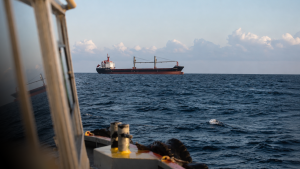
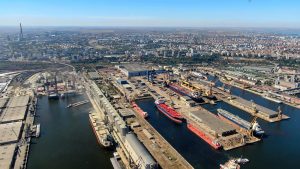
At the same time, Russian attacks on Ukrainian port infrastructure, threats to shipping, and periodic disruption of maritime logistics have complicated established trade routes and increased transportation costs.
Following the negotiations, the parties agreed to resume the work of the Joint Ukrainian-Lebanese Intergovernmental Commission on Trade and Economic Cooperation.
The commission is expected to coordinate bilateral trade, help resolve logistical and organizational issues, and work to expand the range of Ukrainian products on the Lebanese market.
A separate area of cooperation should be the development of reliable supply routes. For Lebanon, the stability of maritime logistics is of critical importance, as the country is significantly dependent on food imports, in particular grain and vegetable oils.
Meanwhile, Egypt may increase imports of American corn due to disruptions in supplies from Ukraine.
India is also looking for a replacement for sunflower oil from the Black Sea due to supply delays.