Turkey begins restricting ship passage to Black Sea amid attacks on merchant fleet — Bloomberg
9.08.2026 - 12:25
Meanwhile, Turkish Foreign Minister Hakan Fidan calls on Moscow and Kyiv to agree on a moratorium on strikes on merchant shipping.
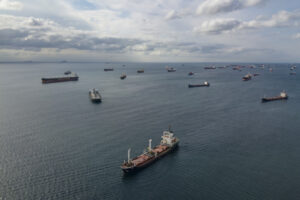
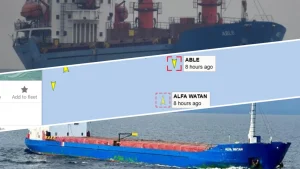
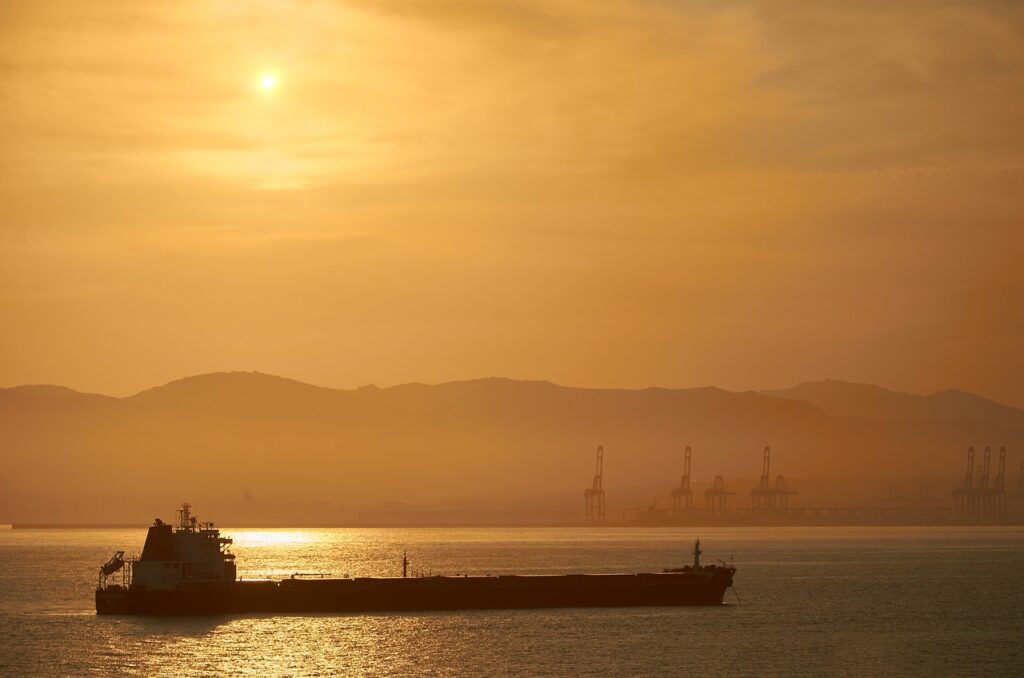
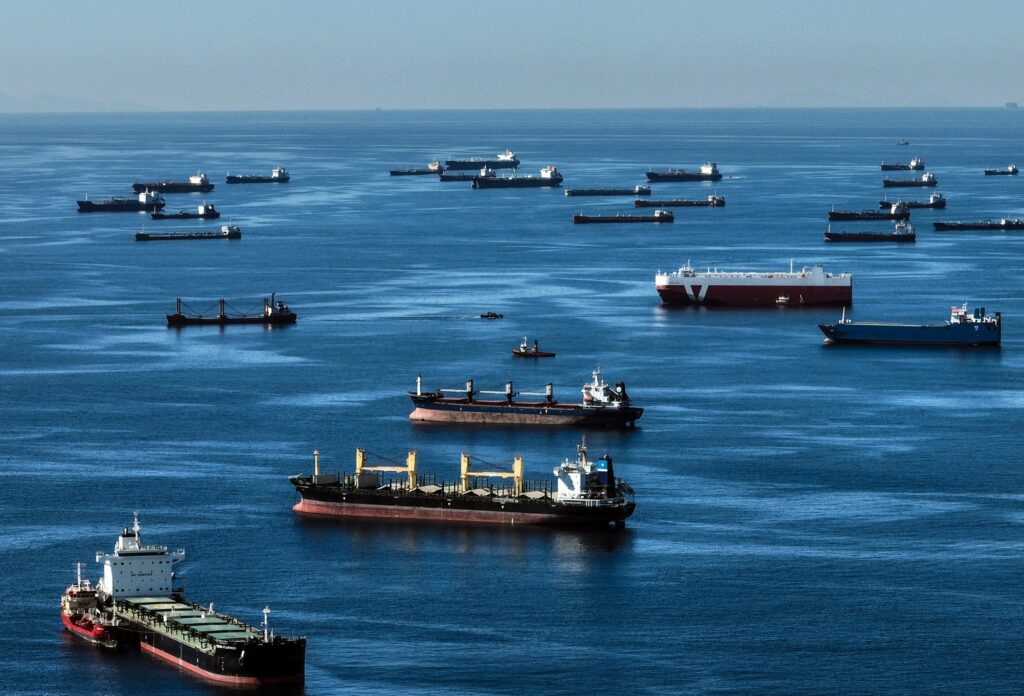
Turkey has begun restricting the movement of some commercial vessels through the straits towards the Black Sea due to increasing attacks on merchant fleets in the region. This is reported by Bloomberg.
The Turkish Coast Guard General Directorate has informed several ships bound for Russia’s Novorossiysk that transit permits for such flights are currently not being issued or their processing will take more time. Some ships were also informed that the restriction may apply to flights to Ukrainian ports.
At the same time, the restrictions do not apply to all traffic through the channels. According to vessel tracking data, as of 1:00 p.m. on August 8, vessels bound for Bulgarian and Turkish ports continued north through the Dardanelles.
Against the backdrop of attacks on merchant ships, Turkish Foreign Minister Hakan Fidan called on Ukraine and Russia to create a mechanism for a moratorium on strikes on shipping in the Black Sea.
“Unfortunately, our warnings are coming true… The war has spread to the Black Sea. First, they attacked military ports and ships, now they attack all merchant ships indiscriminately,” Fidan said in an interview with the Turkish state-run Anadolu Agency.
According to him, Turkish ships are already suffering from attacks – both ships of Turkish owners and those flying the Turkish flag or having Turkish crew members.
Turkey’s proposal is not entirely new. Back in July, Fidan stated that in the absence of an opportunity to agree on a complete cessation of hostilities, the parties could agree to a moratorium on military actions in critical areas, in particular for the security of shipping and energy in the Black Sea.
For Turkey, the issue is particularly sensitive. It is through the Bosphorus and Dardanelles that the main maritime connection between the Black Sea and the Mediterranean passes, and therefore any movement restriction directly affects the Russian, Ukrainian and international merchant fleet.
If the situation worsens, Turkey will be faced with a difficult choice: on the one hand, to ensure freedom of commercial navigation through the straits, and on the other hand, to prevent the transformation of its own territorial waters into a corridor for vessels that could become a target in war.
Previously, USM wrote that Romania, Bulgaria and Turkey will strengthen mine defense in the Black Sea.