More than half of tankers sent for scrapping are sanctioned vessels
18.08.2026 - 13:29
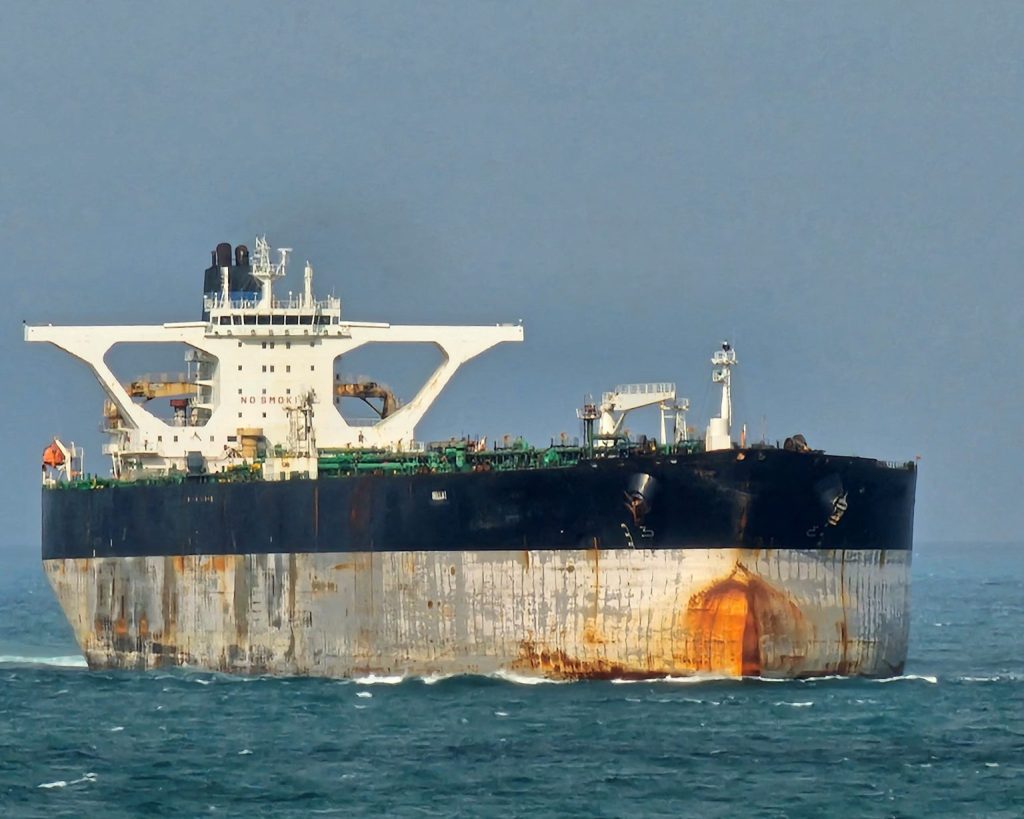
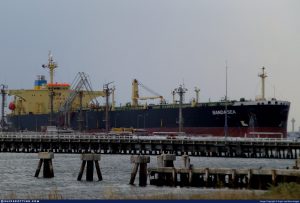
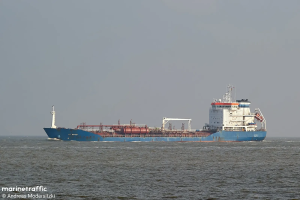
With the strengthening of the sanctions policy of the EU and the US, obsolete ships of the “shadow fleet” are increasingly being sent for recycling.
Sanctioned ships make up a larger share of this year’s tanker recycling market. Splash writes about this with reference to Clarksons Research.
This situation is observed even though the strong freight market keeps the overall demand for ship recycling close to historical lows.
Thus, in 2026, 26 sanctioned ships with a total deadweight of 2.1 million tons have already been sold for recycling, including 22 tankers with a deadweight of 1.8 million tons. These ships account for 58% of all registered tanker sales for scrapping this year.
The figures show how sanctions control is starting to change the recycling market. The aging tonnage of the “shadow fleet” is increasingly being permanently withdrawn from circulation, rather than simply changing flag, owner or trade routes.
Overall, shipping activity remains exceptionally low. According to Clarksons, only 6.4 million deadweight tonnes have been sold for scrapping this year, around the historic lows of 2022-2025 and 14% below last year’s pace.
Tanker scrapping reached 2.7 million tonnes, while bulk carriers were 2.1 million tonnes, down 34% year-on-year. Container ship scrapping remains meager at around 25,000 TEU, although up from last year’s exceptionally low figure of 5,300 TEU. The slow flow of older steam turbine gas carriers also continues, with six such vessels sold this year.
The trend with sanctioned tankers fits into broader efforts by Western governments to finally phase out sanctioned tonnage. Earlier it became known that the US began to send confiscated vessels violating sanctions for disposal. Thus, the company GMS received licenses from the US Treasury Department to break up four sanctioned vessels. According to estimates, a functioning licensing regime could remove mo