Blockade of Black Sea ports could cost Ukraine 2.2% of GDP — Dragon Capital
9.10.2026 - 15:11
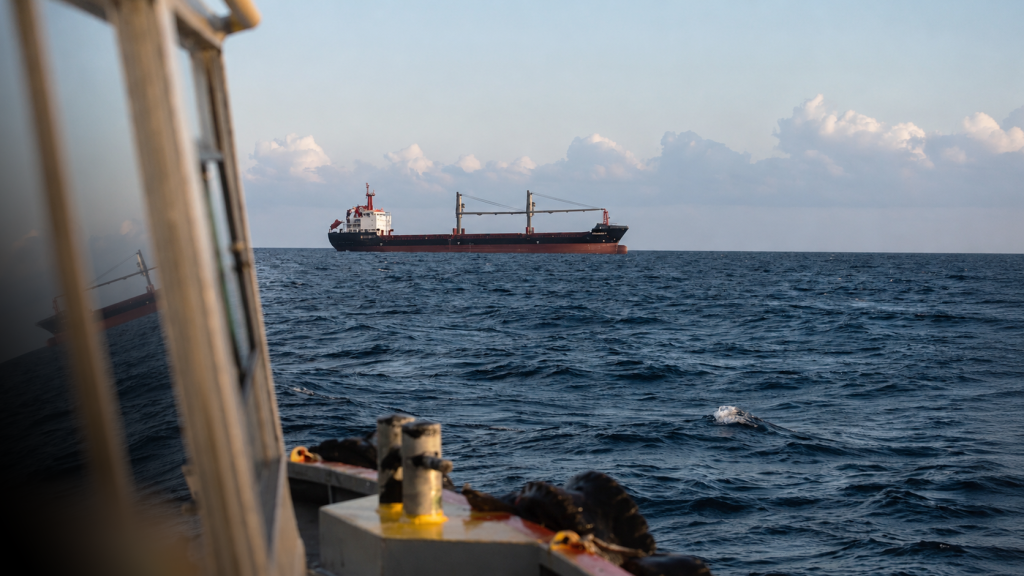
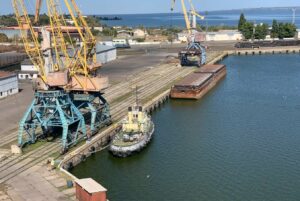
The blockade of Ukrainian Black Sea ports could lead to a loss of about 2.2% of real GDP.
This is stated in Dragon Capital updated macroeconomic forecast for 2026-2027.
Analysts assume that part of the export of agricultural products will be reoriented to alternative routes, in particular through Danube ports.
At the same time, if sea grain exports are resumed before the start of the spring sowing season, economic losses from the blockade could be reduced by 1.5 percentage points – to 0.7% of GDP.
According to Dragon Capital, Ukraine could lose another 1.5% of GDP due to the suspension of steel production and the associated reduction in iron ore production. The company notes that it is impossible to reorient such cargoes to alternative export routes in conditions of blocked seaports.
Dragon Capital noted that after the intensification of Russian attacks since July, cargo transportation through Black Sea ports has practically stopped, and some industrial enterprises have stopped working.
Against this background, the company has worsened its forecast for Ukraine’s real GDP: in 2026, a decline of 0.5% is expected, and in 2027 – another 1%. Before the escalation, Dragon Capital predicted growth of 1.5% and 0.5%, respectively.
Analysts suggest that grain exports by sea may resume next year as a result of a diplomatic agreement like the grain corridor, which operated in 2022-2023.
The deterioration in export conditions is already affecting foreign trade. Dragon Capital predicts that in 2026 the merchandise trade deficit will reach a record $71 billion, or 31% of GDP, which is $6.5 billion more than the previous estimate. A similar level of deficit is expected next year.
Among the reasons, analysts cite the loss of part of the exports of grain, steel and ore, as well as an increase in imports of energy equipment and components for the defense sector.
Dragon Capital also raised its inflation forecast to 10% by the end of 2026 and 8% by the end of 2027.
Budget financing remains a separate risk. According to the company, in 2027 Ukraine will need an additional $30-35 billion in external financing, while current international support programs provide for about $20 billion.
USM previously reported that alternative routes could provide 3.5-4 million tons of exports per month.