Alternative routes could yield 3.5–4 million tons of exports per month, — LNZ Trading
8.10.2026 - 10:44
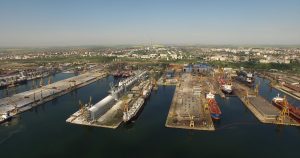
For Danube ports, the current volumes are already close to the limit, while the western border has a reserve.
Thanks to alternative routes, Ukraine can stabilize grain exports at 3.5–4 million tons per month, and with a gradual increase in shipments through deep-water ports, reach 4.5 million tons. This assessment was made by LNZ Trading Deputy General Director Volodymyr Humenyuk during the AgroFoodSummit 2026, writes Latifundist.
According to his calculations, with an export potential of about 55 million tons this season, Ukraine needs to export about 5 million tons of grain every month.
“I do not really believe that we can achieve this indicator without exports through deep-water ports. But we can get pretty close to it,” Humenyuk noted.
He considers the experience of 2023 to be a benchmark. Then, for eight months, 2–2.5 million tons of grain were shipped across the Danube every month, and another 1–1.5 million tons went across the land border by rail and road.
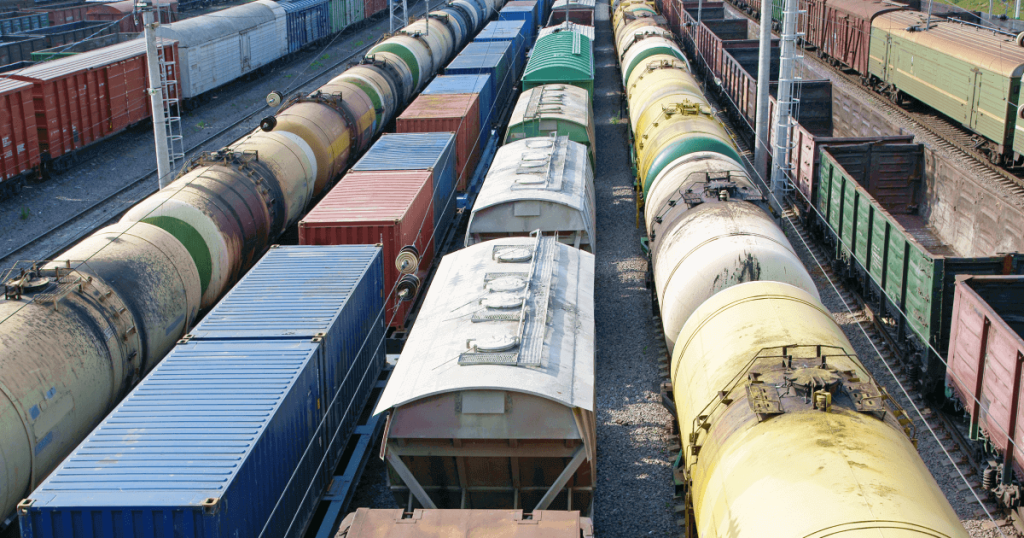
However, the reserves of the two directions are different. For the Danube, such volumes are already close to the limit of possibilities, while the potential of the western border, according to Humenyuk, has not been fully tested – some of the transshipment capacities in Poland, Romania and Hungary have already started operating after the opening of the first sea corridor.
Despite the high freight, some shipowners remain ready to call at Ukrainian deep-water ports.
“The situation for Ukraine now looks terrible, but, in my opinion, our situation may improve in a few months,” he added.
In general, 59% of Ukrainian wheat exports and 43% of corn are at risk. In July–August, wheat exports were 39% lower than the average of the last three seasons.
Meanwhile, Ukraine plans to increase agricultural exports through German ports.