Russian ships turn off AIS immediately after passing through the Bosphorus
23.10.2026 - 15:47

The Russians also use electronic warfare, which shifts the GPS coordinates of ships and poses a danger to shipping in the region.
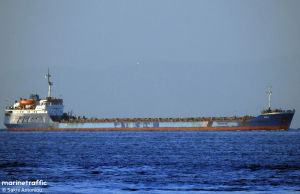
After crossing the Bosphorus, Russian ships turn off their AIS automatic identification systems to hide their location. This was reported by the spokesman for the Ukrainian Navy, Dmitry Pletenchuk, according to Ukrinform.
“In most cases, ships heading from the Bosphorus to Russian ports usually turn off their AIS identification systems and thus try to hide their location. They can also change their route or final destination after passing the Bosphorus,” Pletenchuk said.
A separate problem for navigation has become electronic warfare. According to Pletenchuk, the Russians periodically turn on various electronic warfare means, which shifts the GPS coordinates. This poses a danger to shipping in the region.
Hiding routes primarily concerns ships of the “shadow fleet” that are trying to avoid Ukrainian strikes. This has already become a practice for the Black Sea. Earlier, Pletenchuk reported that Russian shipments by all parameters fell more than threefold.
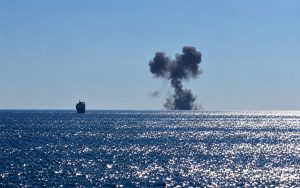
Russian ships avoid going to sea due to the threat of Ukrainian drones. All cruise missile launches from sea-based carriers recorded in recent months took place directly from their bases.
The practice of turning off AIS has spread to other regions. In the Strait of Hormuz, the UAE and oil buyers have been operating tankers with their identification systems turned off to reduce the risk of Iranian attacks. This complicates monitoring and affects the tracking of global oil supplies.
The day before, USM reported that the European Parliament had called on the EU to strengthen the protection of merchant shipping in the Black Sea amid increased attacks by the Russian Federation.