Russia lost 94% of grain shipments through southern ports
4.11.2026 - 11:09
Meanwhile, Russian dictator Putin called the damage from the strikes uncritical and assured that all losses had already been restored.
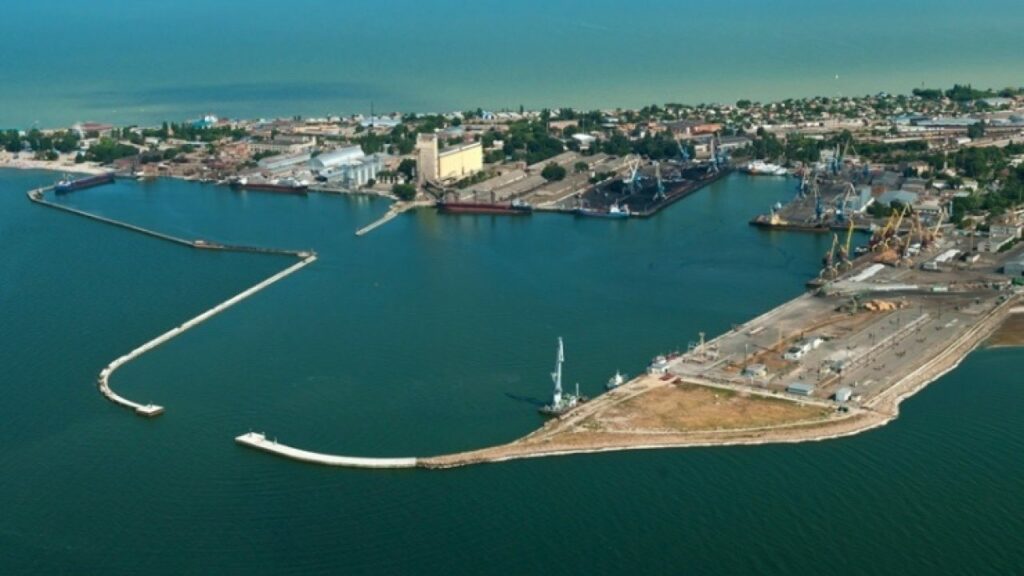
In September, Russia exported only 300,000 tons of grain through the ports of the Black and Azov Seas — 93.7% less than a year earlier, when 4.74 million tons passed through these terminals. This is evidenced by an analysis of Russian export data, cited by Reuters, writes gCaptain.
Taking into account alternative routes, total sea grain exports from Russia in September amounted to about 2 million tons — a drop of 61.9% year-on-year. Since the beginning of the season, 6 million tons have been shipped, which is 61.5% less than last year.
Some of the flows have been redirected. Baltic ports shipped 1.2 million tons — more than 60% of all Russian sea exports for the month, while last September only 47.4 thousand tons passed through them. 400 thousand tons were sent through the Caspian Sea, mainly to Iraq, and 50 thousand tons through the ports of the Far East.
These routes are not capable of completely replacing the southern route. According to the Russian Grain Union, the remaining ports, together with land routes, can accept at most about half of the cargo that previously went through the south.
These figures contrast with the statements of the Russian leadership. After withdrawing from the Black Sea Grain Agreement in July 2023, Putin promised that Russian grain “will be able to replace Ukrainian grain on the world market.”
Already on September 1 of this year, at a press conference in Bishkek, the Russian dictator estimated the losses from Ukrainian attacks on shipping at approximately 1% of GDP and called them non-critical, suggesting that the situation in Ukraine is much worse.
And on September 25, he stated that Russia had allegedly recovered all losses. The actual drop in sea exports turned out to be almost the same for both countries – about 62% for Russia and 61% for Ukraine.
The day before, USM reported that CMA CGM was introducing an additional military fee for cargo transportation in the Black Sea.