Transit of Russian grain through Latvia tripled, farmers protest
7.11.2026 - 12:27

In total, over a million tons of Russian grain passed through the country in the first ten months of 2026.
On November 7, a protest was held in Jēkabpils, Latvia, demanding an end to the transit of grain from Russia and the temporarily occupied territories of Ukraine through the country. This was reported by Ukrinform.
Participants in the “No to Bloody Grain!” action came out with posters and flags, gathering more than 300 people and about 200 units of equipment — cars, tractors, grain trucks, and trucks.
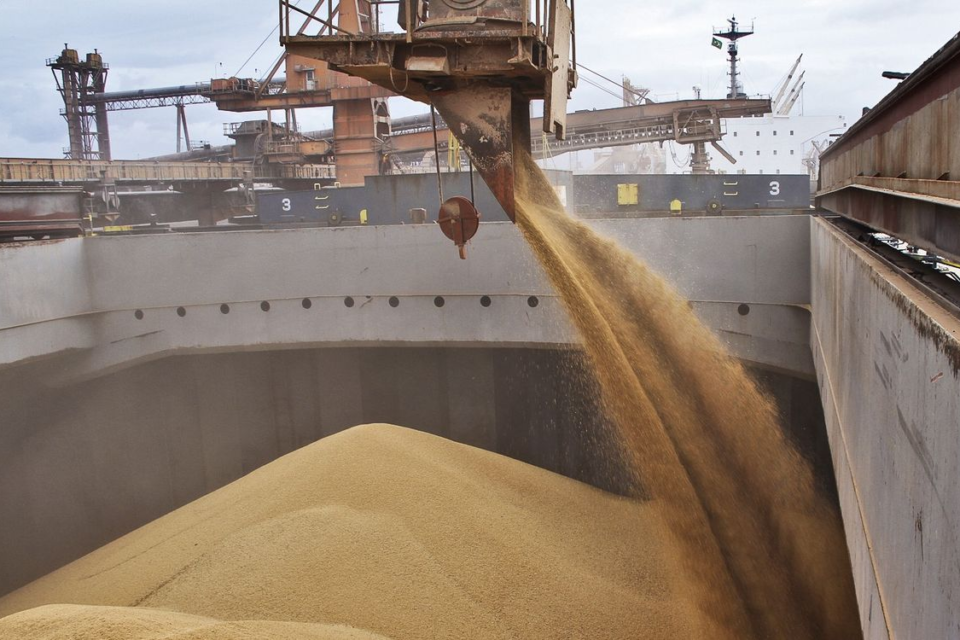
According to the State Revenue Service of Latvia, over the first ten months of 2026, the transit of Russian grain through the country increased 3.1 times — to 1.115 million tons compared to 357.6 thousand last year. The largest volumes fell on October (425.2 thousand tons) and September (347 thousand). For comparison, almost 652 thousand tons of Russian grain passed through transit in the entire year of 2025.
Prime Minister Andris Kulbergs admitted to the protesters that it is currently impossible to completely stop transit. There is no unanimity in the EU on this issue, and a unilateral decision may result in economic consequences and penalties for the country, which will also affect Latvian farmers.
Earlier, the Prime Minister stated that the grain in transit belongs to companies from the USA, Japan and other allied countries. In addition, if Russia challenges the ban in court, the state will bear legal costs in addition to lost income.
At the same time, Kulbergs reported that in the near future they plan to submit a bill to the Seimas that will prohibit Latvian railways from concluding agreements with Russia. The Prime Minister also recalled that all Baltic countries are raising the issue of banning the transit of “bloody grain” at the EU level.
The current legislation of the EU and Latvia does not prohibit the transit of grain from Russia and Belarus. Instead, there is a ban on the import of goods from the temporarily occupied territories of Ukraine.
To verify the origin, Latvian customs analyzes documents and, if necessary, requires carriers to provide data on the place of grain cultivation, its variety and delivery route. The Food and Veterinary Service is also involved in the checks, whose specialists take samples.
Latvia also plans to launch a joint check of the origin of grain with Ukraine and Britain.