Belgium switched completely to Russian LNG in July due to the crisis in the Middle East
4.08.2026 - 14:33
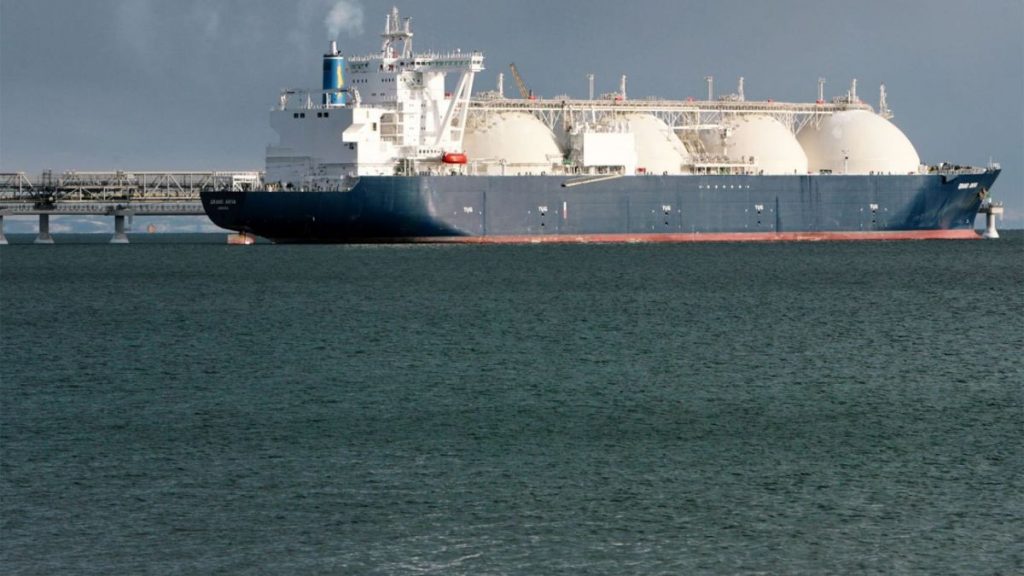
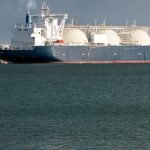
Due to disruptions in the supply of liquefied gas from the Middle East, Belgium imported LNG exclusively from Russia in July for the first time in more than five years.
In July, Belgium was completely dependent on imports of Russian LNG, as supplies from other directions fell sharply due to the crisis in the Middle East. This is reported by Bloomberg.
According to the agency, total LNG imports to Belgium decreased by more than 40% compared to the same period last year. At the same time, the country received about 0.4 million tons of Russian LNG. At the same time, pipeline deliveries of natural gas from Norway and the United Kingdom continue.
Disruptions in shipping through the Strait of Hormuz and the associated increase in gas prices have forced many European importers to postpone purchases of fuel to form winter reserves. Instead, some buyers increased purchases of Russian LNG as an alternative source of supply.
The situation creates additional challenges for the European Union’s energy policy. Since April, the EU has already banned new short-term contracts for Russian LNG, and a full ban on its imports is due to come into force next year.
According to the German organization Urgewald, in the first half of 2026, EU countries imported 16% more Russian LNG than in the same period last year, spending 5.96 billion euros on purchases. The largest buyers were France, Belgium and Spain.
Russia remains the second largest supplier of LNG to the European Union after the United States. Against the background of record low gas reserves in European storage facilities and uncertainty about supplies from the Middle East, some experts are already questioning the practicality of completely abandoning Russian liquefied gas.
Despite this, Brussels emphasizes that the plan for a phased withdrawal from Russian LNG remains unchanged. At the same time, the EU allowed the continuation of the transit of Russian liquefied gas to third countries in order to avoid additional shocks on the global energy market.