Farmers will have their loan conditions eased due to the complications of maritime logistics
4.08.2026 - 11:03
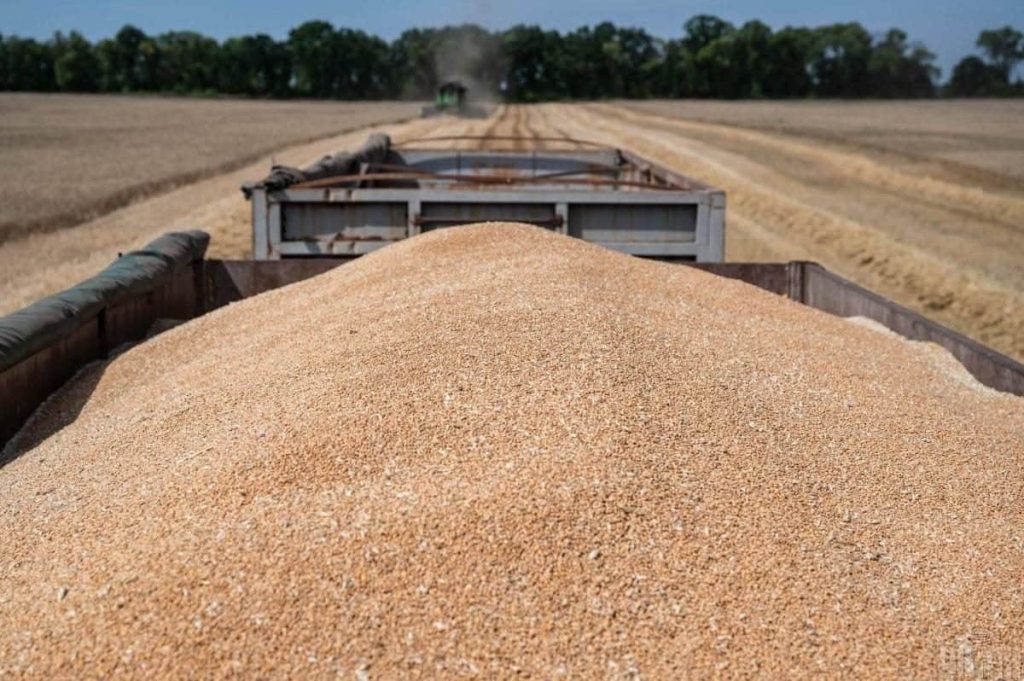
The Cabinet of Ministers is working on extending preferential lending under the “5-7-9%” program, distributing state guarantees, and easing the conditions for obtaining loans for farmers.
This was announced by the Minister of Agrarian Policy and Food of Ukraine, Taras Vysotskyi.
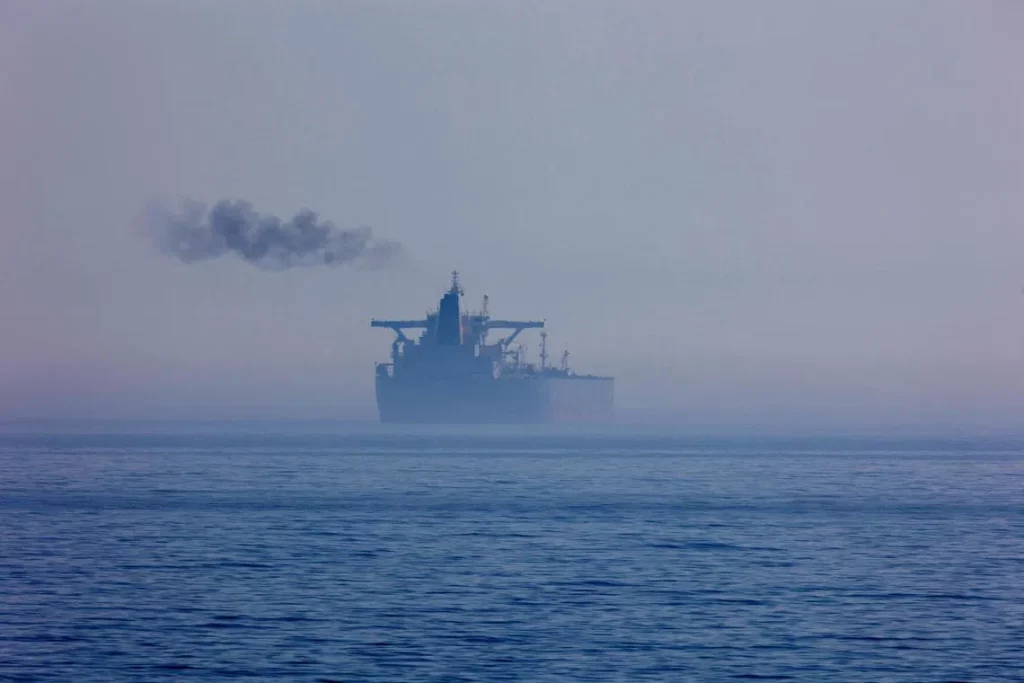
The need for additional financing arose after Russian attacks on civilian vessels, which temporarily suspended the entry of vessels into the ports of Great Odesa.
The Ministry of Agrarian Policy is working on relevant decisions together with the Ministry of Finance, the Ministry of Economy, the National Bank, the banking sector, and agricultural associations.
In particular, this concerns the extension of loans under the “Affordable Loans 5-7-9%” program for current needs and the 2027 sowing campaign. The Ministry of Finance is completing the distribution of state guarantees among banks, and the NBU is working on easing the requirements for agricultural producers as borrowers.
It is expected that farmers will be able to attract additional financing under the collateral of the already harvested harvest. This should help to carry out the autumn sowing and prepare for spring field work in time.
According to Vysotsky, the current problems with sea exports are commensurate in scale with the situation at the beginning of a full-scale invasion. Ukraine is negotiating with international partners to restore the stable operation of the sea corridor and is developing alternative routes in parallel.
The Danube corridor will remain an important component of exports. The government also plans to make maximum use of land routes and more than ten dry ports created on the western border during the full-scale war.
The Ministry of Agrarian Policy emphasized that financial and logistical solutions should prevent the suspension of the production cycle, help farmers fulfill contracts and carry out field work in a timely manner.
Earlier, USM reported that the government had reduced the minimum export prices for agricultural products due to problems with maritime logistics.