Lithuania searches for stolen Ukrainian grain among Russian agricultural products
5.09.2026 - 13:09
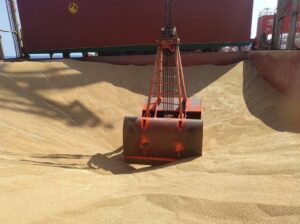
Samples from a batch of “Russian” grain at a customs warehouse in Klaipeda have been sent for laboratory analysis to France to verify its true origin.
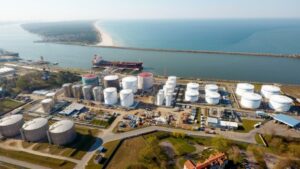
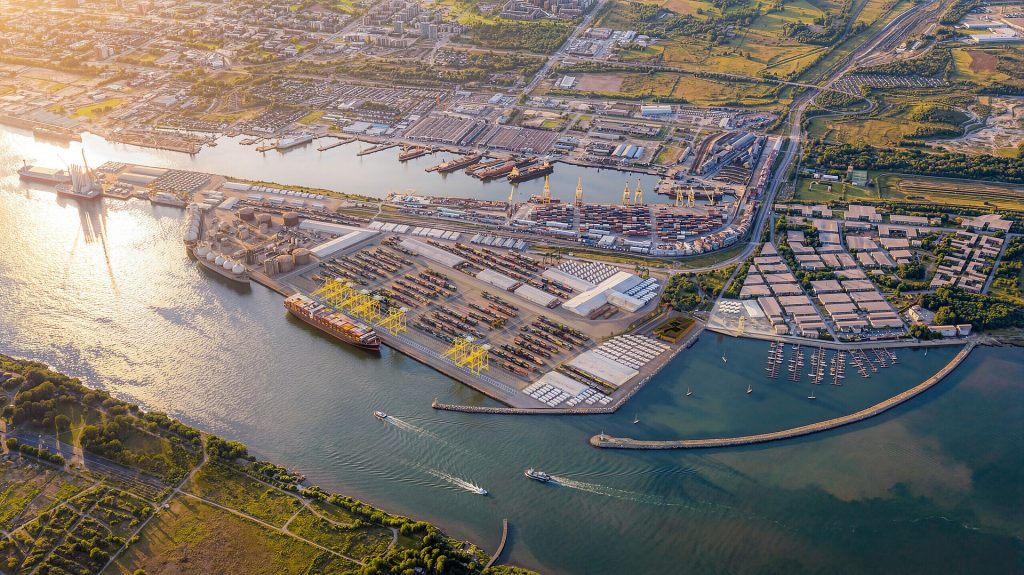
Lithuania is stepping up checks on Russian grain transported through the port of Klaipeda after some companies resumed processing this cargo. This was announced by Lithuanian Agriculture Minister Kęstutis Mažeika, LRT reports.
The minister instructed the State Food and Veterinary Service to check food grain of Russian origin transiting through Lithuania. Previously, such a procedure was not mandatory – only feed grain was checked.
The service has already taken samples from a batch at a customs warehouse in Klaipeda for laboratory analysis in France. The results are expected in two to three weeks.
“The question is whether the declared Russian grain is actually of Ukrainian origin. It may not be Russian, as declared. It could be stolen,” commented the service’s spokeswoman Aiste Prielgauskaite.
According to her, the case concerns not only inaccurate declarations, but also the possible misappropriation of Ukrainian grain.
At the same time, Minister Mazeika suggested that Russia may be trying to export Ukrainian grain through Latvian and Lithuanian ports.
“Yesterday I had a remote meeting with the Ukrainian minister, and he told me that, according to their intelligence, Russia will try to export about 1.5 million tons of grain through Latvia,” he said.
Part of this grain is already in Latvian ports and, probably, can be transported through Lithuanian infrastructure.
The head of the Klaipeda port, Algis Latakas, confirmed that the port is processing grain declared as Russian. For the first eight months of the year, about 47 thousand tons. The cargo comes from the Kaliningrad region and consists mainly of corn. Since these goods are not currently subject to sanctions, there is no legal basis for blocking.
Meanwhile, the Latvian National Union party, which is part of the coalition, proposes to ban the transit of agricultural products and feed of Russian and Belarusian origin through Latvia, as well as the storage of these goods in ports, customs warehouses and free economic zones.
Read also. Laboratory in Lithuania and satellites: how Ukraine tracks stolen grain