More than half of the tankers in the “shadow fleet” pose an environmental threat, — FT
1.06.2026 - 12:49
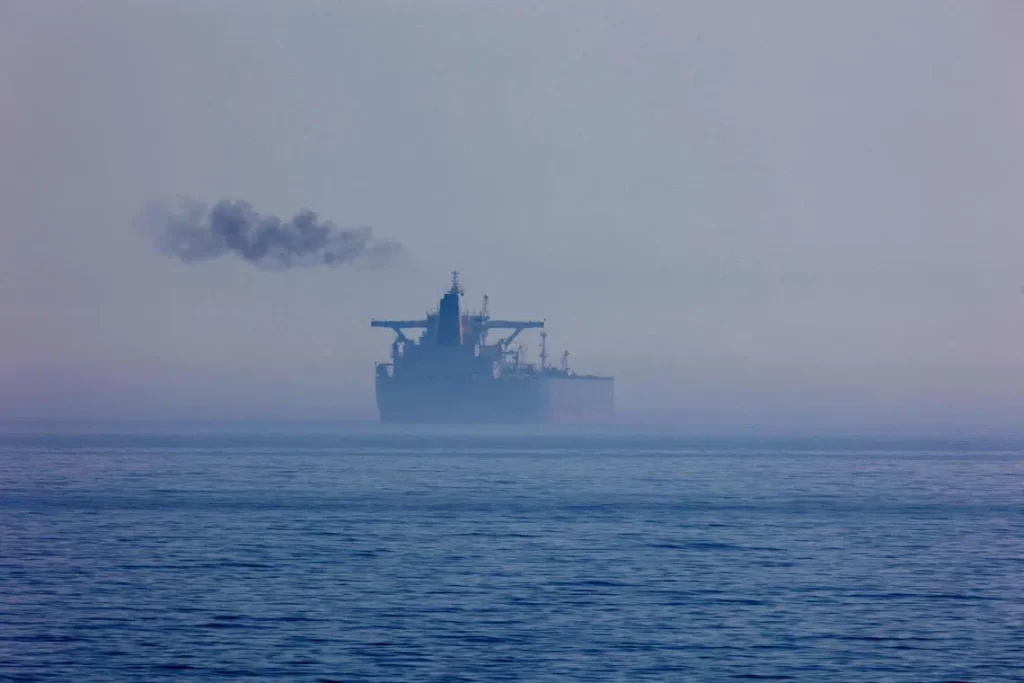
The industry is warning of the risk of a massive oil spill, comparable to the largest maritime disasters in history.
A significant number of sanctioned oil tankers are operating well beyond their standard service life and should have been scrapped long ago due to wear and tear and corrosion, Anil Sharma, chairman of the world’s largest ship-disposal company GMS Partnership, told the Financial Times.
“At least a third of these ships need to be scrapped, and possibly more. Frankly, I think it’s more than half of the fleet,” he said.
According to shipbroker Clarksons, the “shadow fleet” has an estimated 1,800 ships, of which about 1,500 are oil or food tankers. Most of them have been operating for more than 20 years — the age at which cargo ships are usually scrapped.
Sharma compared the potential disaster to the 1979 disaster, when the collision of the tankers SS Atlantic Empress and Aegean Captain caused the spill of more than 2 million barrels of oil into the ocean.
Alexander Saveris, the head of the shipping company CMB Tech, called the situation a “time bomb” and said that the disaster “will happen sooner or later.” According to him, some of these ships do not have proper insurance, are poorly maintained and operate with insufficiently trained crews.
The situation is further complicated by the crisis in the Persian Gulf. Due to the closure of the Strait of Hormuz, some of the old tankers have been converted into floating oil storage facilities, which has slowed the pace of recycling. Sharma predicts that after the resumption of shipping through the strait, demand for recycling will increase sharply.
Meanwhile, GMS Partnership has received its first OFAC approval to dispose of four sanctioned vessels — the Yogi, Timon, Rantanplan and Bigli — linked to the network of Iranian oil magnate Mohammad Hossein Shamkhani. The licenses were issued in April after seven months of approval. Sharma hopes that this precedent will serve as the basis for creating a faster mechanism for disposing of sanctioned vessels.
The day before, the French Navy, with the help of the UK, detained a “shadow” tanker sailing from Murmansk.