“Nibulon” joined the creation of a consortium for humanitarian demining of water areas
16.09.2026 - 15:05
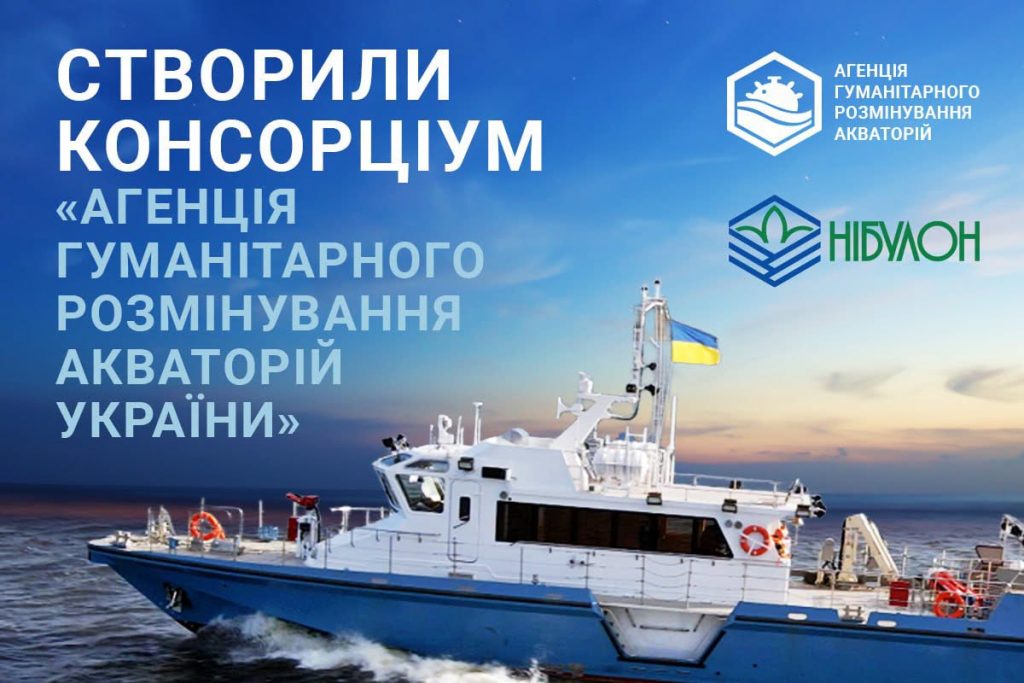
Agroholding “Nibulon” signed a memorandum and joined the creation of the Consortium “Agency for Humanitarian Demining of Water Areas of Ukraine”.
The company reported this.
The Consortium, together with “Nibulon”, includes representatives of the Admiral Makarov National Shipbuilding University, the NGO “International Businessmen’s Club” and the group of companies “West-East”, which specializes in engineering and technological solutions.
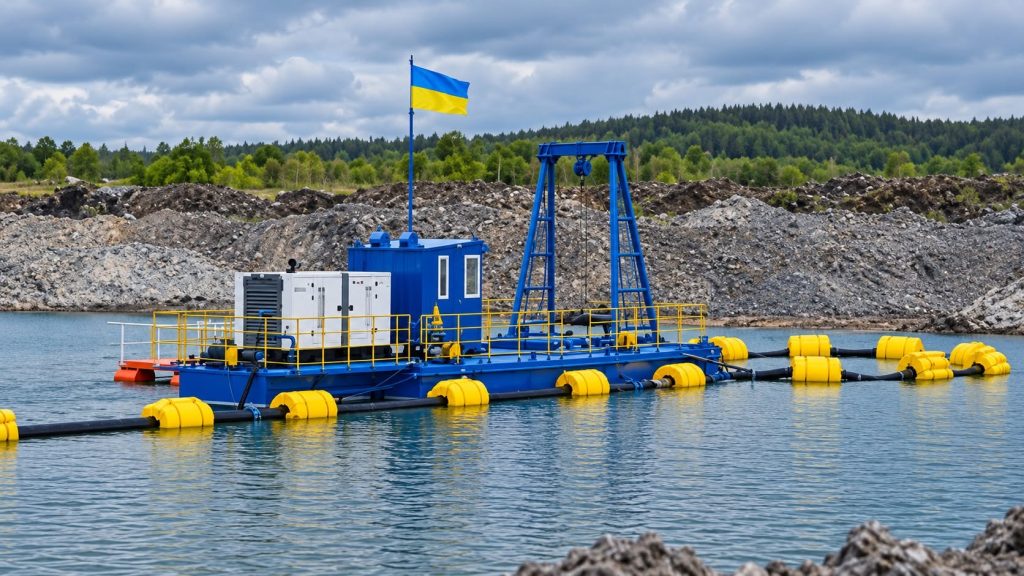
Joint work will cover humanitarian demining of water areas, development of technological solutions, scientific research and innovation, implementation of standards, personnel training, as well as the implementation of international projects.
The partnership unites business, science and the public sector around a common goal – strengthening Ukraine’s capacity in humanitarian demining of water areas and creating systemic solutions to restore the safe use of waterways.
For Nibulon, participation in the Consortium is a continuation of consistent work on developing the humanitarian demining direction. An important role in this is played by the partnership with DEG Impulse gGmbH. With the support of DEG Impulse, the agroholding formed a professional unit and strengthened its technical capabilities, in particular with GCS-200 mechanized demining machines.
In 2025, the cooperation between Nibulon and DEG Impulse reached a new level – the partners began creating infrastructure and training specialists for humanitarian demining of water areas in Ukraine. In July 2026, Nibulon received the appropriate certification, confirming its professional readiness to perform such work.
Participation in the “Agency for Humanitarian Demining of Water Areas of Ukraine” is the next stage of this work – combining practical experience, infrastructure, scientific and engineering competencies to form the systemic capacity of Ukraine in water demining.
Previously, USM reported that Nibulon is proposing a mechanism that could add up to 100,000 tons of traffic per month to the Danube Corridor.