Train transfers to Constanta may be increased from 6 to 10 pairs per day
6.10.2026 - 10:58
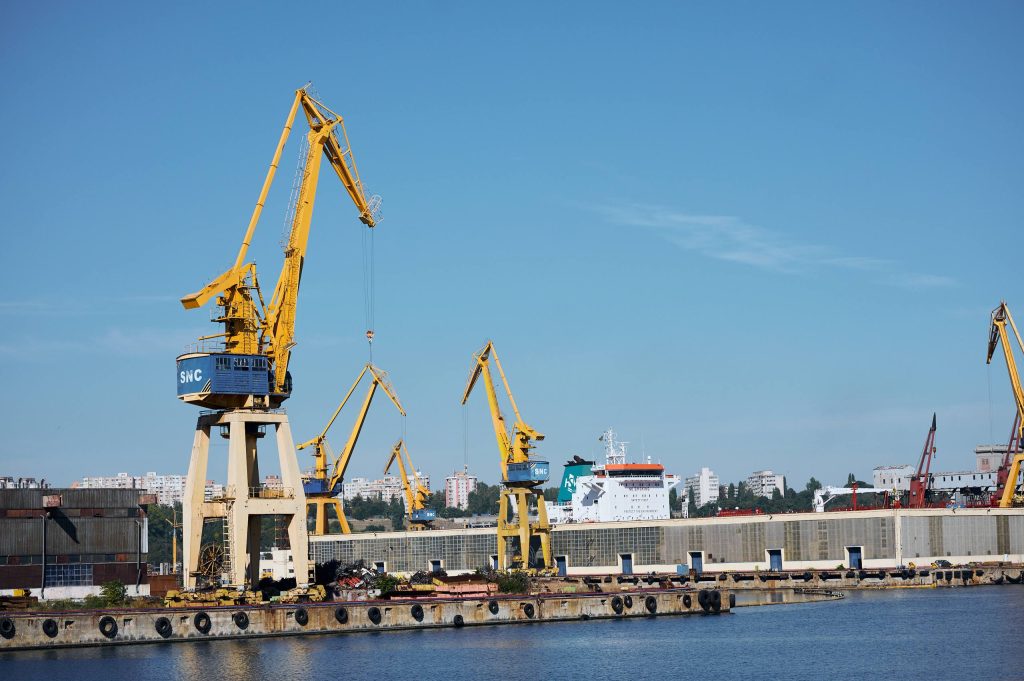
To increase the volume, the Romanian side will accelerate the repair of port and railway infrastructure.
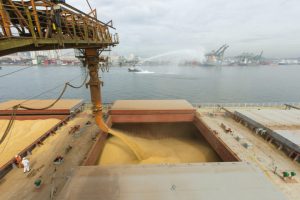
Ukraine and Romania have agreed to support the daily transfer of six pairs of trains to the port of Constanta with the prospect of increasing to ten. This was reported by the Ministry of Community, Territorial Development and Infrastructure following a working trip to Romania.
The meeting was held in Constanta with the participation of Minister Mykola Kalashnik and State Secretary of the Ministry of Transport of Romania Ionel Scriosteanu, as well as representatives of the railway, ports, business, customs and border services.
To reach the figure of ten pairs of trains, the Romanian side will accelerate the repair of port and railway infrastructure on its territory. The parties also discussed the priority passage of Ukrainian cargo, the creation of a joint information tool for the coordination of carriers and port operators, and the additional use of the capacities of the ports of Galati and Braila.
A separate block of agreements concerns the Sulina Canal. Ukraine insists on allowing at least 10 vessels to enter and 10 to exit per day. By the end of the week, the Romanian side should send an invitation to a representative of the Ukrainian Sea Ports Administration for joint dispatching.
In the event of a significant accumulation of vessels waiting to leave Ukrainian ports, the Romanian side will allocate one day for their passage through the canal in an exceptional mode. It was also agreed to conduct night-time escorts of vessels that managed to enter the canal before dark, provided that safety requirements are met. Separately, they discussed the acceleration of the PRIMUS project, which provides for the 24-hour operation of the canal.
On the road border, the parties are working on expanding the Porubne-Siret checkpoint. Ukraine has already built four additional lanes within the framework of the CEF project, and the work is expected to be completed on the Romanian side.
The Romanian side also confirmed the economic feasibility of building the Orlovka-Isaccea bridge. In addition, the issue of preparing an agreement on transport links between Paškan and Tarašani and the development of the M-19 route within the framework of the SAFE initiative was raised.
The agreements are of particular importance against the backdrop of limited opportunities for Black Sea exports. At the end of September, the Sulina Canal was closed for several days due to bad weather – about 70 vessels accumulated in the roadstead at that time.
At the same time, Romania proposed to constantly dredge the Danube to support shipping.