
Ukrainian grain does not displace local farmers, says Moldovan railway
21.08.2026 - 11:25
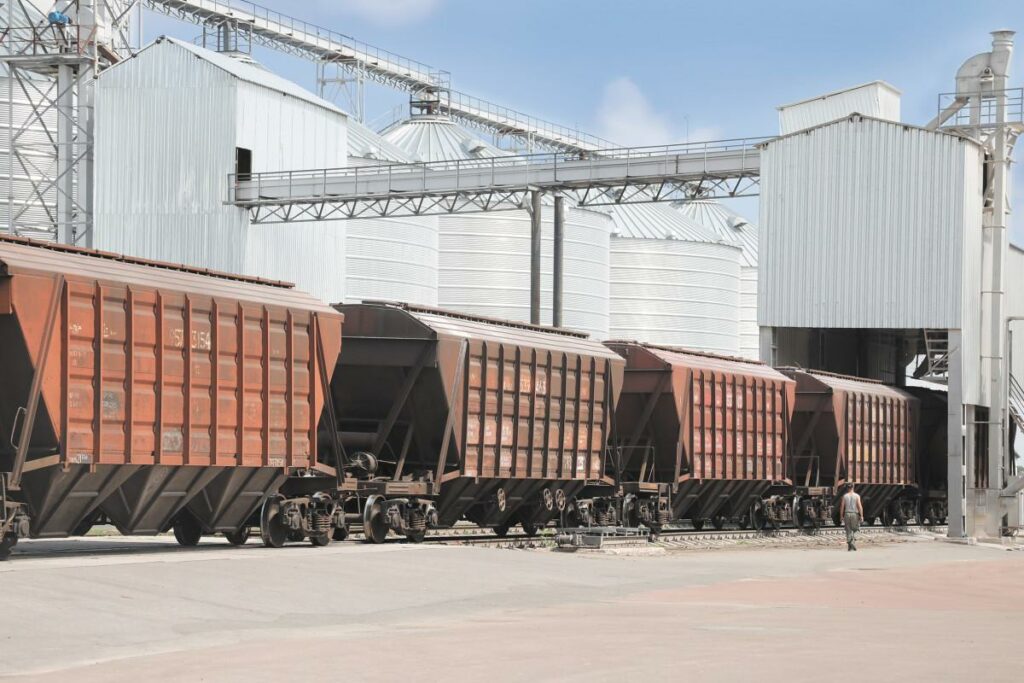
Ukrainian grain is transported in Ukrainian wagons, so its transit does not limit Moldovan farmers’ access to the wagon fleet.
This was reported by the press service of “Moldovan Railways” (CFM).
The company stated that local farmers have priority when transporting grain by rail, and transit Ukrainian cargo does not reduce the capacity available to them.
CFM noted that all its own wagons intended for grain are reserved for Moldovan producers and companies. At the same time, the railway network is currently used only by about 20%, therefore, according to the company’s assessment, the capacity is sufficient for both Moldovan exports and transit cargo.
CFM’s statement was a response to Moldovan farmers’ concerns about the transit of Ukrainian grain. The day before, the “Strength of Farmers” association demanded that farmers be involved in developing a mechanism for the transit of Ukrainian cargo and threatened protests if the authorities did not offer acceptable solutions.
CFM separately compared tariffs. For grain transportation from Moldova over a distance of 528 km, the full tariff is 15.30 CHF per ton. For Ukrainian transit over a similar distance, CFM calls 20.64 CHF per ton, if we also take into account the use and return of Ukrainian wagons.
At the same time, since August 10, Moldova has introduced a 50% discount on rail transit of Ukrainian cargo. The agreement will be valid until the end of 2026. Therefore, the CFM rates given should not be perceived as the final price after applying the discount.
CFM also emphasized that the transit of Ukrainian grain does not mean its import to the Moldovan market. The cargo only crosses the country’s territory on its way to external markets. According to it, with identical routes and border crossing points, the railway gives priority to applications from Moldovan companies.
Reference. Part of the basic railway rates is denominated in Swiss francs (CHF). Historically, international railway tariffs in Europe and Eurasia have traditionally used the Swiss franc as the settlement currency. For railways, it is a stable neutral unit that allows them to set uniform rates for transportation that passes through the territories of several states and is paid for by participants with different national currencies.
Earlier, USM wrote that up to 800 thousand tons of agricultural products can be exported through Moldova per month.