UZ: to get priority, oil workers must form route trains
29.10.2026 - 15:03
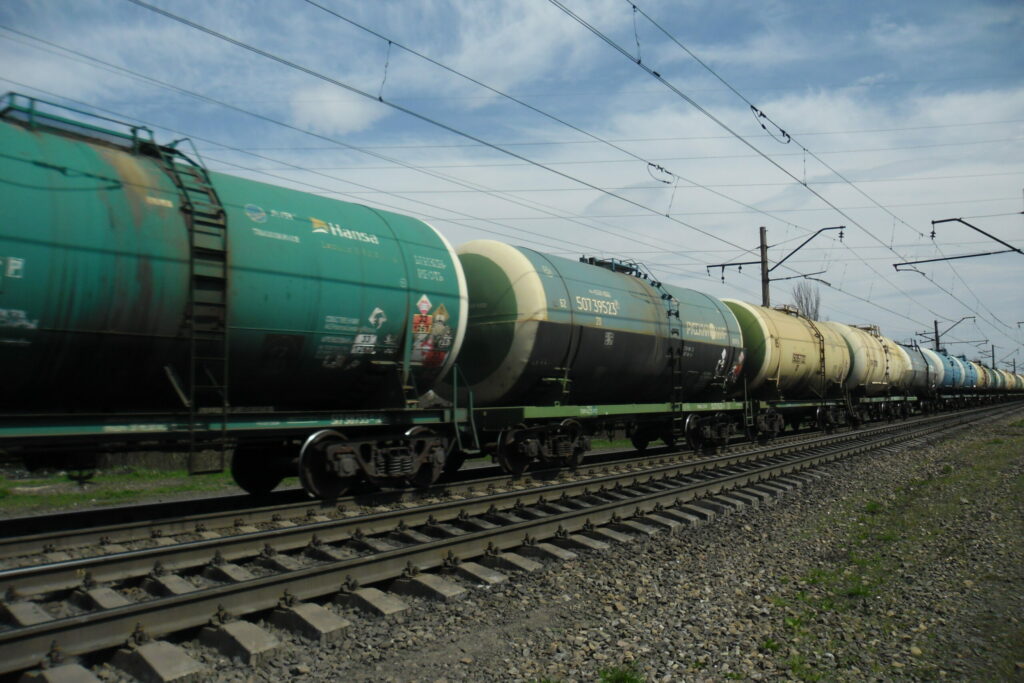
For smaller batches, you will have to order an accumulation service and form a route train.
Ukrzaliznytsia will give priority in the transportation of vegetable oil only to route trains. Small batches of 5–10 tanks will not have such an advantage. This was reported by UZ representative Valeriy Tkachev, Latifundist writes.
This is about the implementation of the Cabinet of Ministers Resolution No. 1300 of October 20. This is a pilot project for the period of martial law, but not longer than two years. The priority applies to sunflower, soybean and rapeseed oil, as well as safflower, cottonseed and mustard, refined and unrefined. Separate priority is provided for the import of gasoline, diesel fuel and liquefied gas.
According to Tkachev, the priority will apply during transportation planning, train formation, provision of locomotives and transfer of wagons at border crossings. However, only for route shipments.
“If you send 5–10 tanks from the OEZ [ed.: oil extraction plant], it is not a priority. You must order an accumulation service from Ukrzaliznytsia either at this departure station or at the next one, form a route train, and then we take it and move it as a priority, tie up the locomotive, and transfer it at the border,” he explained.
The reason for this restriction is physical capacity. UZ board member Volodymyr Ivashchenko said that at one of the border crossings the company received so many applications for the transportation of petroleum products that their full satisfaction would actually block the movement of other cargo.
Therefore, UZ is still developing a mechanism that will provide priority, but will not stop the transportation of the rest of the cargo. The company admits that delays for non-priority categories are possible.
The industry proposes to soften the requirements. Oil producers and oil traders are asking to reduce the minimum size of a route shipment to 28–36 tanks to match the number of wagons in trains in neighboring countries. An alternative is to allow the formation of route trains that simultaneously carry oil and meal. UZ is considering both proposals.
However, the resolution provides for certain advantages for maritime logistics. Vessels arriving to load oil in bulk will have priority when berthing at berths and when passing through the Sulin Canal. At the same time, interrupting cargo operations with other vessels that have already begun is prohibited, and rail transportation tariffs and port dues remain unchanged.
Meanwhile, Ukraine is asking Moldova to extend the discount on rail transit to Romania in 2027.