Persian Gulf crisis could put pressure on Russia’s oil revenues, intelligence says
28.07.2026 - 12:15
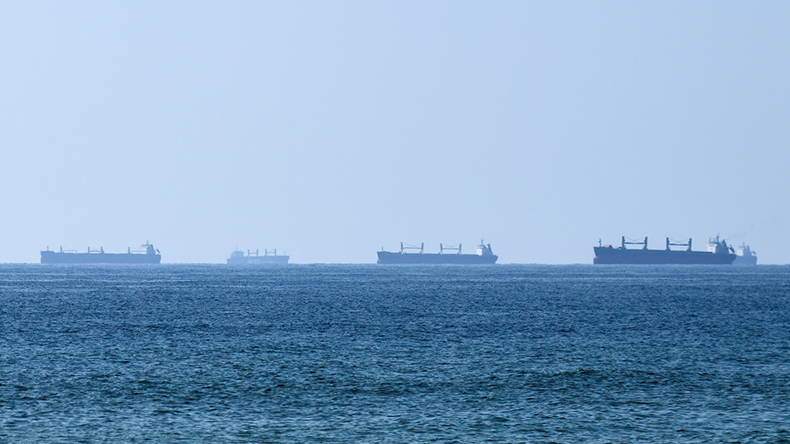
Oil-producing countries are more actively reorienting oil supplies to bypass the Strait of Hormuz.
This is gradually reducing the dependence of world prices on the situation in the Persian Gulf and may increase pressure on Russian Urals oil, the Foreign Intelligence Service of Ukraine said.
If the first days of the conflict in the Persian Gulf really significantly and chaotically raised the cost of oil on world trading platforms, today the situation has changed. Oil-producing countries have urgently begun diversifying the routes for supplying raw materials to consumers bypassing the Strait of Hormuz.
If before the escalation of the situation in the region and around the narrow part of the strait, approximately 3.5 million barrels of oil per day out of a total of 15 million were transported by other routes, today this figure has already reached 6.5 million.
The most promising are now two routes that are being actively modernized. The first is the Saudi East-West pipeline, built in the 1980s, which transports oil from the Abqaiq complex to the port of Yanbu in the Red Sea. The other is the growing capacity of the UAE’s oil pipeline through the port of Fujairah in the Gulf of Oman, located about 145 km south of the strait. By 2027, engineers plan to add another 1.2 million barrels per day to the transportation of oil along these routes. This will bring the total volume of oil bypassing the Strait of Hormuz to 8 million barrels per day. Thus, with each passing day, the lever of dependence on the situation in the Persian Gulf is gradually being removed from world oil prices. At the same time, the increase in oil production by Venezuela, the increase in OPEC+ quotas, the UAE’s withdrawal from OPEC — all these events are designed to put pressure on global energy prices to decline. Accordingly, Russian Urals oil will fall in price even faster due to the toxicity and unreliability of the producer, the sanctions and “schematicity” of the supplier.
Ultimately, losses and shortfalls in Moscow’s state budget will only grow.
“Economists’ calculations of this year’s shortfall of the Russian state treasury in the amount of 2 trillion rubles from oil and gas trade will become too optimistic in the near future,” the intelligence agency added.