Over 100 Moldovan grain wagons blocked at Reni port due to security risks
24.09.2026 - 16:55
Moldovan grain traders are calling on the state-owned enterprise “Moldovan Railways” (CFM) to review the fee for the idleness of wagons in the port of Reni.
This was reported by the Danube Research Institute.
The Agrocereale grain exporters’ association has appealed to the state-owned enterprise “Moldovan Railways” (CFM) with a proposal to find a fair and economically sound solution regarding the fee for the idleness of wagons with Moldovan grain, which have been blocked for a long time in the Ukrainian port of Reni.
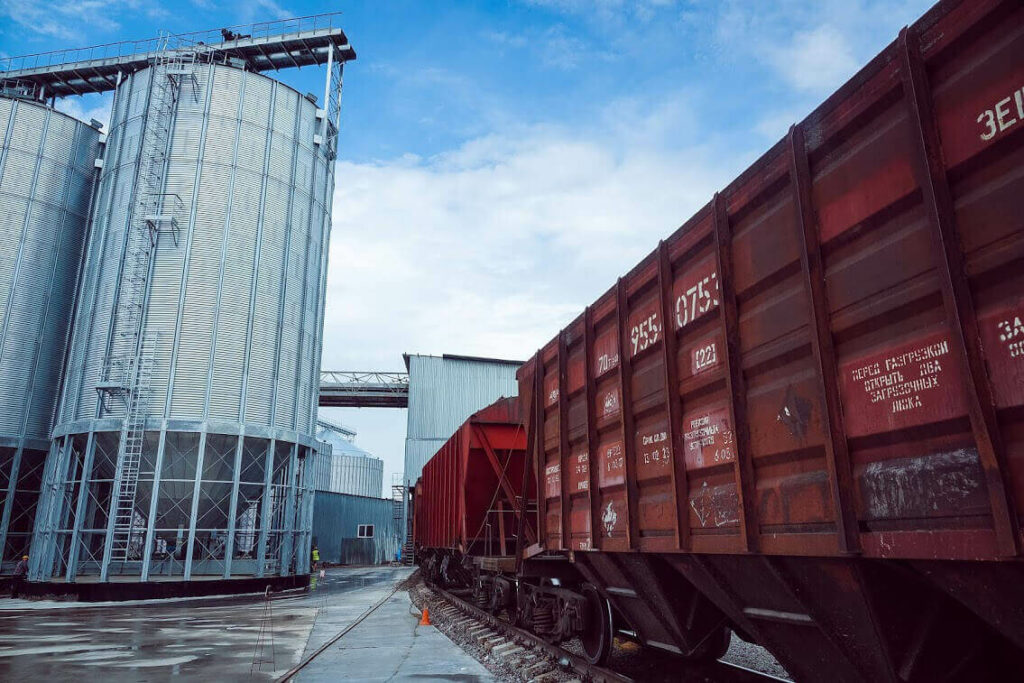
The official appeal was sent by CFM on September 11. According to Agrocereale, only two companies – members of the association – have 83 wagons idle in Reni for about a month, which cannot be unloaded. As of September 9, the accrued fee for their idleness amounted to approximately 40.5 thousand US dollars and continued to increase daily. According to the association, similar problems have arisen with other exporters.
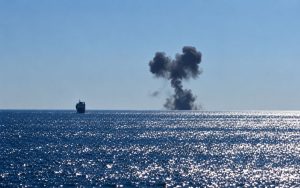
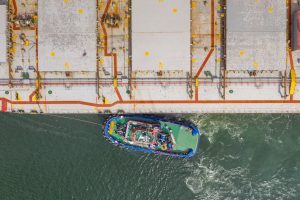
Agrocereale calls the situation due to security risks in southern Ukraine. According to information received by the association from market operators, some shipowners refuse to send ships to Reni or redirect them to other ports. In the absence of a ship at the berth, it is impossible to unload the grain from the wagons, and there is currently no realistic alternative that would allow for the rapid release of the rolling stock and its return to Moldova for the relevant cargo batches.
Agrocereale does not raise the issue of automatically exempting traders from all payments. The association proposes to distinguish between cases where downtime occurs due to the operator’s fault and situations where the cause is external circumstances that the exporter cannot actually influence. It is about initiating a technical dialogue between CFM and the affected companies and developing a predictable cost-sharing mechanism.
The problem is broader in nature. Agrocereale CEO Iurie Riza reported that in total, more than 100 CFM wagons with grain cargo could remain blocked in Reni. According to him, this is a significant amount for the Moldovan railway fleet and the country’s export logistics.
The Danube Research Institute notes that the situation in Reni goes beyond the usual commercial dispute over the payment for the use of wagons. It demonstrates a systemic problem of Danube logistics in wartime – the lack of an established mechanism for distributing costs that arise due to security circumstances that are not controlled by any of the direct participants in the transportation.
“The economic logic of the fee for downtime is to stimulate the cargo owner to release the rolling stock as quickly as possible. But this mechanism loses part of its regulatory meaning if the operator is physically unable to unload the wagon due to the absence of the vessel, and the vessel does not enter the port due to the military risk. In such a situation, the usual tariff model begins to transform the external security risk into direct financial losses of a particular exporter,” the IDD notes.
According to the Institute, the issue requires not one-time exceptions for individual companies, but the formation of a transparent crisis mechanism for international transportation across the Danube. It may provide for the differentiation of the reasons for downtime, documentary confirmation of circumstances that do not depend on the cargo owner, the possibility of postponing or partially adjusting payments, and an agreed procedure for the carrier and trader in the event of a prolonged blockage of cargo.
This approach is also important for CFM itself. The prolonged withdrawal of dozens of wagons from circulation reduces the capacity of the Moldovan railway system, while the accumulation of unforeseen payments from traders makes the Danube route economically less attractive.
Reni is an important component of not only Ukrainian, but also Moldovan export logistics. Therefore, the current situation shows that the stability of the Danube Corridor no longer depends only on port capacities, railway infrastructure and the availability of the fleet. Mechanisms for distributing military risk between ports, carriers, shipowners and shippers are becoming no less important.
It is the creation of such rules that can prevent a situation where the security blockade of one element of the logistics chain gradually turns into a financial blockade of all its other participants.
Earlier, USM reported that Poland may limit the temporary storage of Ukrainian grain during transit.