Three Russian grain terminals have limited acceptance of cargo by road due to risks in the Black Sea
29.07.2026 - 13:08
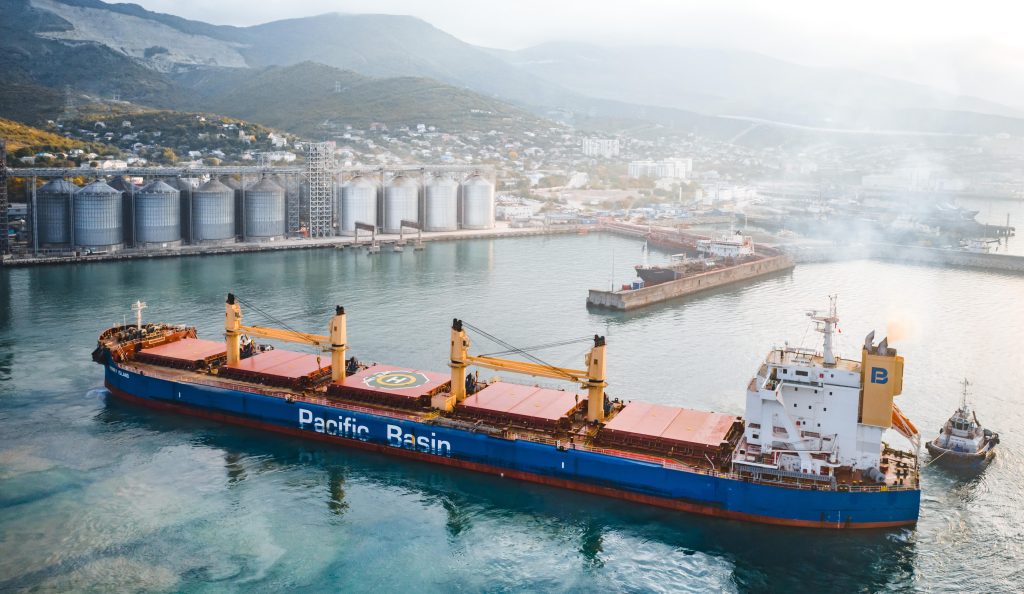
Three major Russian grain terminals on the Black Sea have restricted the acceptance of grain delivered by trucks.
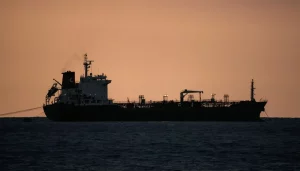
The reason was the increased risks for shipping in the Black Sea and the increase in cargo flows after restrictions in the Sea of Azov, Reuters reports.
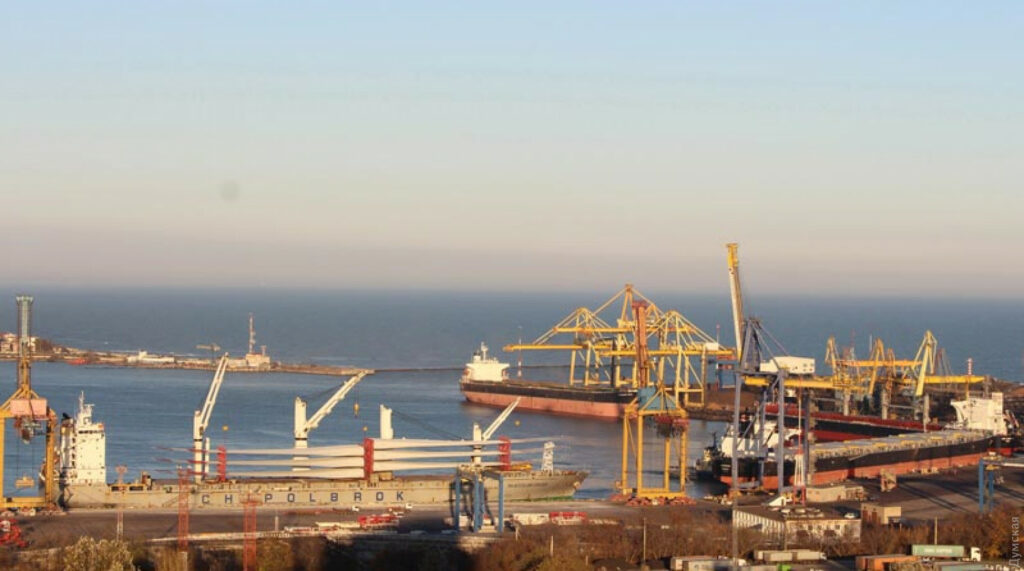
Three major Russian grain export terminals on the Black Sea have restricted the delivery of grain by road. These are the NZT and KSK terminals in the port of Novorossiysk, as well as ZTKT in the port of Taman. Together, they can ship more than 20 million tons of grain per year. Total Russian seaborne grain exports are about 50 million tons per year.
According to sources, the restrictions are related to the increased risks for shipping in the Black Sea, as well as the redirection of cargo flows after the introduction of restrictions in the Sea of Azov.
Russia this month restricted shipping in the Sea of Azov after attacks by Ukrainian drones. About a quarter of Russia’s grain exports pass through the Sea of Azov.
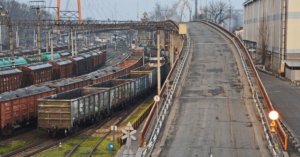
After that, Russian authorities began to redirect grain from southern regions, which had previously been shipped through the Sea of Azov, to deep-sea grain terminals in the Black Sea, by road and rail. At the same time, attacks on Black Sea ports have also become more frequent.
“The risks have increased, and fewer and fewer people are willing to take bold, reckless risks,” one of the sources said.
Two terminals in Novorossiysk continue to accept grain by rail, but such deliveries are only possible from the southern regions of the Russian Federation, one of the sources said. About a third of the grain processed by these two terminals is usually delivered by truck. At the same time, ZTKT in Taman accepts grain only by road.
These terminals ship grain to major buyers of Russian products, including Egypt and Turkey.
The Kavkaz port, which was used to transfer grain from small vessels in the Sea of Azov to larger vessels, was closed almost immediately after restrictions on shipping in the Sea of Azov were imposed on July 10, according to sources.
In addition, a week ago, Russia banned ships from entering and leaving the port of Novorossiysk at night due to drone attacks. According to one of the sources, this ban is still in effect.
Amid risks in the Black and Azov seas, Russia is trying to diversify its export routes. Reuters sources believe that ports in the Baltic region may become a priority in the near future as the safest alternative.