Danube Commission: Low water levels hamper grain logistics along the Danube
13.10.2026 - 17:21
Low water levels on the Danube limit vessel draft and reduce the efficiency of grain logistics, which hinders the use of the river as an alternative route for agricultural exports.
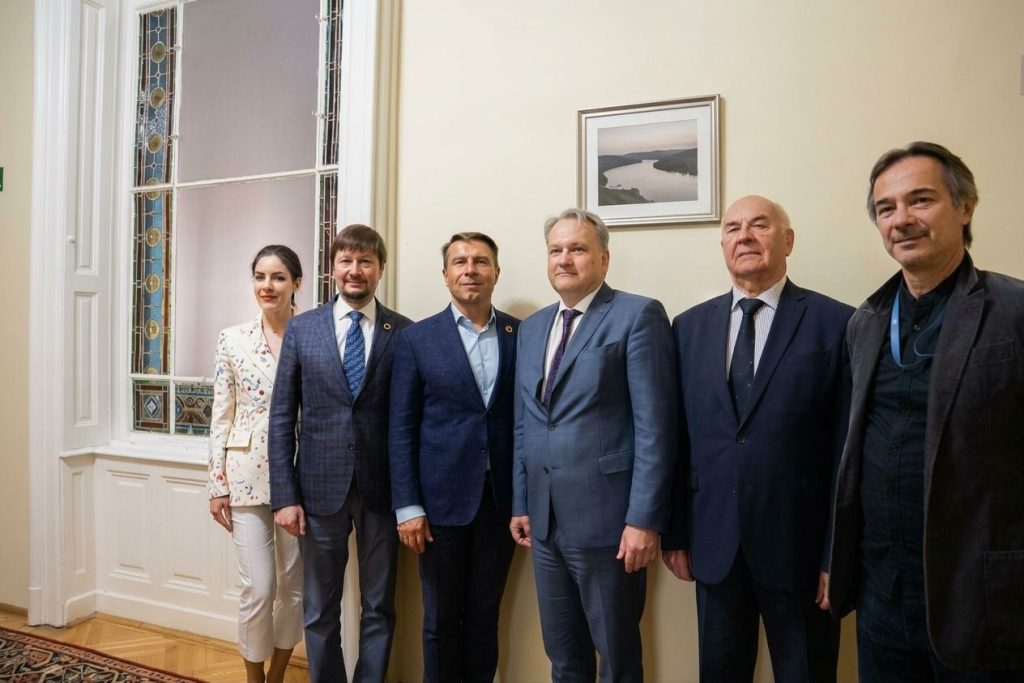
This was announced by the Danube Commission following a meeting with representatives of the Food and Agriculture Organization of the United Nations (FAO) and the Ukrainian Grain Association.
During the meeting, the parties discussed the potential for increasing grain production in the Danube region, as well as the reliability of export routes against the backdrop of security risks for Ukrainian Black Sea ports.
The Danube Commission noted that Ukraine, Serbia and Romania, in particular, have significant potential for increasing agricultural production.
At the same time, the work of Danube logistics is complicated by the effects of climate change and prolonged periods of low water. This limits the permissible draft of vessels and reduces the attractiveness of transportation for barge operators.
The Danube Commission Secretariat presented measures that are already being implemented to increase the resilience of shipping during extremely low water levels, as well as projects that have yet to be implemented.
The meeting participants stressed the need for targeted investments in infrastructure and enhanced regional coordination to better exploit the potential of the Danube as an alternative route for agricultural exports.
The Danube Commission and FAO plan to hold a joint conference in Budapest in May 2027 on the role of the Danube in grain exports.
The conference, scheduled for May 2027, is expected to bring together private companies, national government representatives and the EU. Its goal will be to coordinate cooperation between the public and private sectors and strengthen the role of the Danube in ensuring food supplies.
USM previously reported that Agrovista has reoriented its crop exports to the Danube and the port of Constanta.