Attacks on Ukrainian ports force exporters to refocus on the western border, — Spike Brokers
20.07.2026 - 13:25

Traders are reducing purchases at ports, while demand is increasingly shifting to land routes and Danube ports.
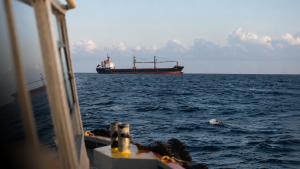
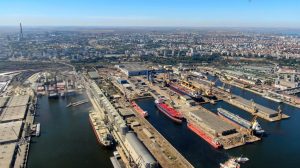
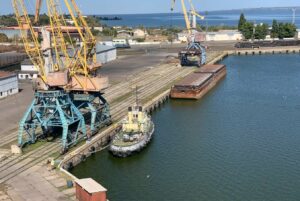
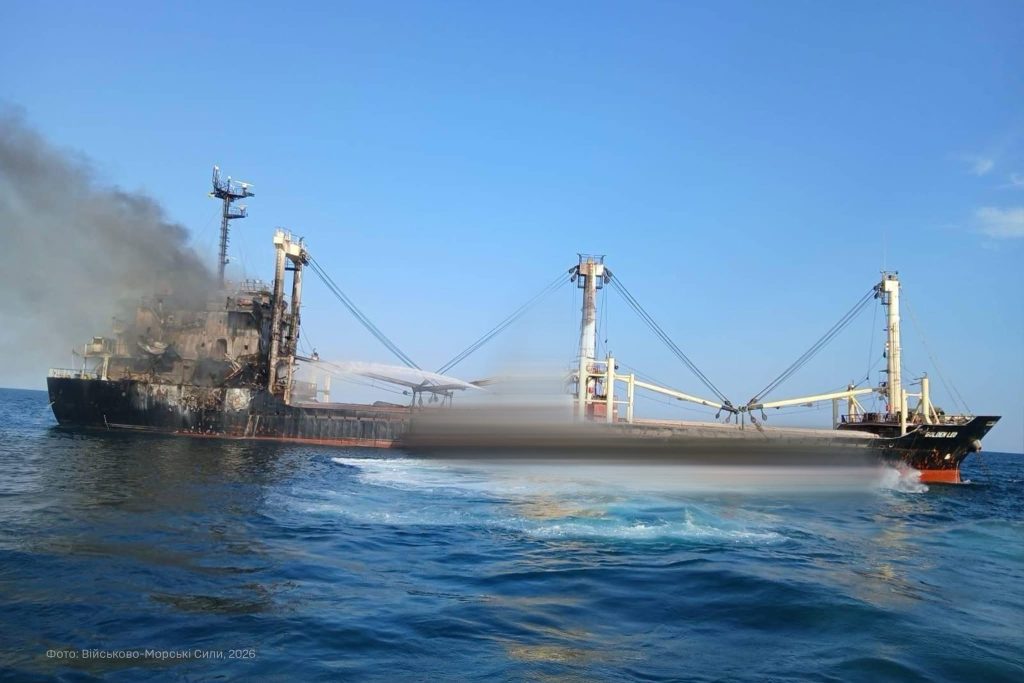
Military risks and attacks on port infrastructure have significantly complicated the work of Ukraine’s maritime logistics, according to Spike Brokers weekly review.
According to the company, due to uncertainty about the operation of deep-sea ports, purchasing activity in the port direction has sharply decreased. Most trading activity is currently related to the fulfillment of already concluded contracts, while new purchases are limited.
At the same time, demand is gradually concentrating on alternative export routes through the western border. A similar trend is observed in the oilseed market, where exporters are increasingly using land logistics.
Spike Brokers emphasizes that land routes are not able to completely replace sea exports. Their throughput capacity is estimated at approximately 1–1.2 million tons per month, while the needs of the Ukrainian agricultural sector are about 5–6 million tons per month.
In addition to the western border, one of the directions of export reorientation remains the Danube ports. At the same time, experts note that the stable operation of seaports remains a key condition for the full export of Ukrainian agricultural products.
According to analysts, over the week on the CPT Odessa basis, corn prices decreased by $4 to $208/t, food wheat also by $4, to $204/t, and feed wheat by $5, to $194/t. In contrast, the FCA Chop indicator for corn increased by $7 to $234/t.
Earlier, USM reported that attacks on ports forced Nibulon to reconsider its grain purchase prices.