logistics
Due to military risks, logisticians advise to ship container cargo through European ports
Due to military risks and unstable operation of Ukrainian ports, logistics companies recommend sending container cargo through European ports.

Logistics from the inside. How a logistics company is currently building processes using the example of Marine Service Ukraine
At the backdrop of the suspension of the ports of Great Odesa, the logistics market is undergoing a large-scale restructuring: business is adapting, taking into account risks, looking for new ways of export-import and at the same time trying to keep delivery times and costs acceptable to customers.
USM talks about the current challenges and thoughts of the Ukrainian logistics sector using the example of Marine Service Ukraine, which provides comprehensive customs brokerage and forwarding services. Read below to find out what MSU Executive Director Tetyana Shevchuk said about logistics from the inside in these chaotic times.
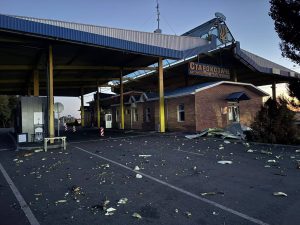
Russian troops attacked the Starokozache checkpoint on the border with Moldova: there are casualties
On the night of September 9, Russian drones attacked the international automobile checkpoint “Starokozache” on the border with Moldova.
Moldovan Railways does not agree to the transfer of grain through Kuchurhan – UZ changes the route
The State Enterprise “Moldovan Railways” currently does not approve the transfer of grain cargo through this border crossing, so Ukrzaliznytsia is redirecting them to other junctions.
Alternative routes can take on up to 75% of the cargo of the maritime corridor, — Derkach
Alternative logistics routes can ensure the export of about 4.5 million tons of cargo per month out of approximately 6 million tons.
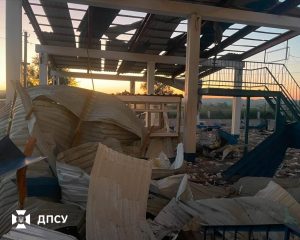
Russia attacked the Tabaki checkpoint on the border with Moldova
On the night of August 21, Russian troops attacked the Bolgrad and Izmail districts of the Odesa region with drones.

Romania completes modernization of Luminița port on the Danube-Black Sea Canal
The Romanian Shipping Canals Administration has completed the modernization and expansion of the capacities of the Luminița port on the Danube-Black Sea canal.
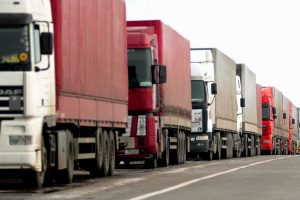
In the Odesa region, the transit of vehicles to checkpoints with Moldova and Romania has been simplified
The Odesa Regional Military Administration has lifted the curfew restrictions for transit traffic of all types of transport to checkpoints with Moldova and Romania.

The queue to enter the Sulina Channel has increased to 2–3 days
Due to the increase in the number of vessels and bad weather, the waiting time at the entrance to the Sulinsky Canal has increased to approximately 2–3 days.
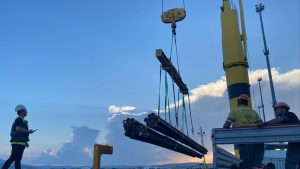
Interpipe reoriented exports through a European port due to the blockade of Ukrainian ports
Interpipe has redirected part of its exports to North America and the Middle East through one of the European ports after the blockade of the seaports of the Odesa region.