The Black Sea is to wheat what Hormuz is to oil — Bloomberg
22.09.2026 - 11:30
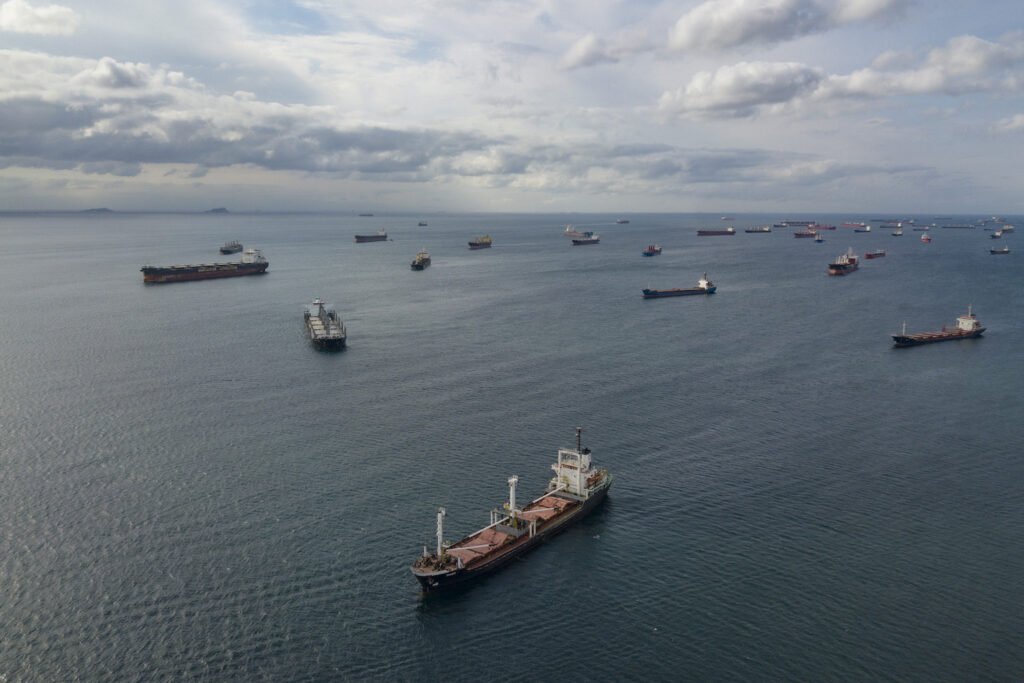
While the world watches the Strait of Hormuz and oil, the crisis in the Black Sea is imperceptibly accelerating inflation and undermining the food security of vulnerable countries.
The blockade of the Black Sea threatens a global food shock comparable in scale to the crisis in the Strait of Hormuz. Bloomberg writes about this.
Supplies of Black Sea grain to international markets have been effectively stopped since the summer. Since July, Ukraine and the Russian Federation have intensified attacks on each other’s ports, hitting grain terminals, elevators and ships. The escalation has also affected Russia’s energy infrastructure, causing diesel prices to rise to record highs – and this is another inflationary factor for food, because fuel is a key item of farmers’ expenses.
Importers are already feeling the consequences. Egypt, the world’s largest buyer of wheat, has not received Black Sea grain for about a month. Bloomberg cites the example of a Vietnamese miller who agreed to four shipments of Black Sea wheat — about a fifth of the company’s annual needs — but learned that they would not be shipped.
Prices are responding accordingly. Wheat prices have risen to three-year highs, and there is no sign of a repeat of the deal Turkey struck in 2022 to create a corridor for blocked Ukrainian grain.
Ukrainian exports are seeking detours, but they are congested. Ukraine is trying to route cargo through Constanta, Romania, and alternative routes along the coasts of Romania and Bulgaria, but these channels are facing congestion. According to Kpler and Bloomberg, about 80 mostly small vessels have accumulated near Ukrainian Danube ports. The situation is further complicated by the fact that Ukraine’s western neighbors have imposed import bans on its grain after political opposition within the countries.
According to SovEcon, combined wheat exports from Russia and Ukraine in July–September will be about half of last year’s level.
The crisis is also hitting Russian agrarians. Some farmers in Russia plan to sow less winter wheat as shipments from Black Sea ports remain blocked, creating a surplus of grain on the domestic market and predicting a smaller harvest in 2027 for the world’s largest exporter.
The day before, USM reported that Russia is converting fertilizer and coal terminals for grain due to problems in the Black Sea.