The World Bank presented an overview of the state and challenges of Ukraine’s port industry
17.06.2026 - 16:26
The World Bank presented its findings on the current state of the port industry and possible directions for its reform.
This was reported by the Ministry of Development.
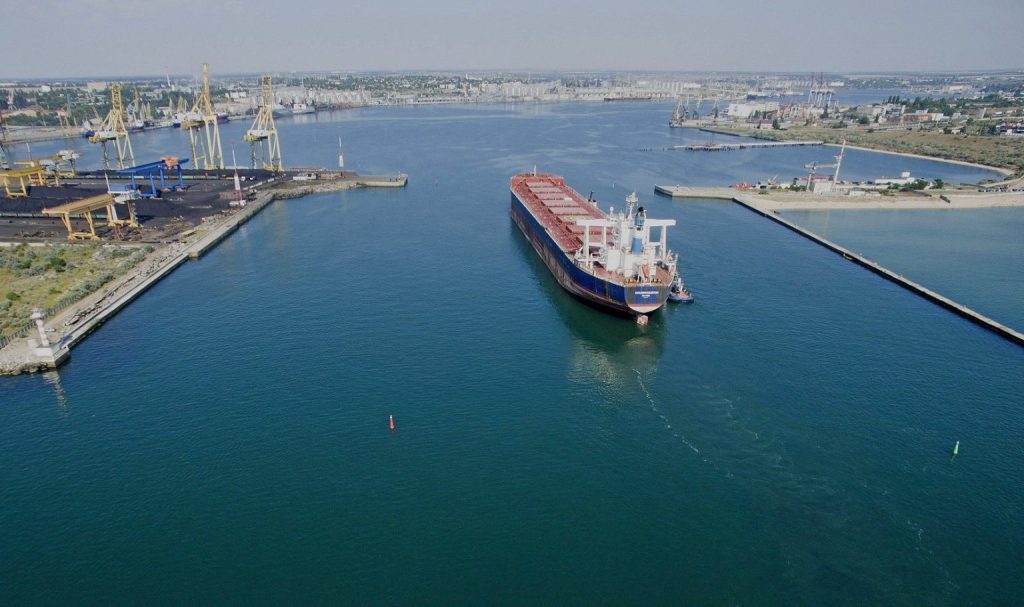
The document analyzes the state of Ukrainian seaports in the conditions of a full-scale war, the impact of security restrictions on logistics, as well as structural problems of the industry – in particular, issues of management, financing and development of port infrastructure.
Special attention is paid to the systemic challenges of the port sector and the accents that, according to experts, require a priority response from the state.
Proposed areas of reform:
• Control over port lands: definition and legal consolidation of the boundaries of ports on land and water; inventory of land plots, their status and restrictions; restoration or creation of mechanisms that will allow the port administration to have unified control over lands within the ports; dialogue with communities and municipalities on the transfer of lands to the management of the port administration with economic incentives (dividends, joint projects);
• Port management reform: introduction of a supervisory board and clear definition of functions (navigation safety, infrastructure management, concession control);
• Port financial reform: transition from a fiscal to an investment-oriented approach; ensuring the possibility of reinvesting port revenues in infrastructure development;
• National master plan for ports: identification of priority ports by strategic role, cargo flows and investment potential; coordination of port development with logistics, railways and regional development.
Experts note a number of positive developments in the port industry of Ukraine. In particular, regarding the resilience of the port system in war conditions, progress in implementing a modern port management model, as well as the successful use of concessions as a tool for attracting private investment. The institutional capacity of the industry and the readiness of the state to further improve policies in partnership with international financial institutions are separately emphasized.
“For us, these developments are of great practical value. They show that the port industry has already been managed correctly, and at the same time clearly outline the challenges that need to be worked on further. We plan to use the World Bank’s experience for further decisions, in particular regarding the development of concessions,” said Andriy Kashuba, Deputy Minister of Community and Territorial Development.
In the presented review, the World Bank separately notes the role of concession projects as one of the key instruments for the development and modernization of the port industry. Experts emphasize that concessions allow combining state control over strategic assets with the attraction of private capital, management expertise and investments in port infrastructure.
Analysts pay special attention to the importance of using concessions in the context of post-war port reconstruction. According to the World Bank, it is concession mechanisms that can become one of the key channels for attracting private investment for the reconstruction, modernization and increase of the competitiveness of Ukrainian seaports in the medium and long term.
The parties confirmed their interest in further cooperation and agreed to continue joint work on issues of developing the port industry, increasing its investment attractiveness, and implementing reforms necessary for the sustainable functioning and post-war restoration of Ukrainian seaports.
USM previously reported that on June 24, a project for the concession of a ferry terminal in the port of Chornomorsk will be presented in Poland.