Ukraine has achieved the creation of a protected area in the waters of Antarctica
27.05.2026 - 13:26
After three years of international negotiations, the 48th Consultative Meeting of the Parties to the Antarctic Treaty has unanimously supported the Ukrainian initiative.
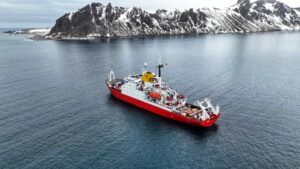
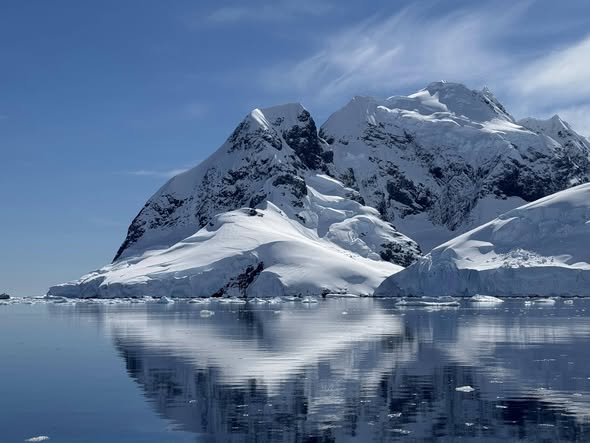
The states parties to the Antarctic Treaty have supported the initiative to create a new nature reserve in Collins Bay, near the Akademik Vernadsky Station. This was reported by the National Academy of Sciences of Ukraine.
“The new nature reserve covers five separate areas in Collins Bay. They are known for their unique moss ecosystems, bird colonies, glacial landscapes and rich biodiversity,” Ukrainian scientists noted.
The goal of the initiative is to protect these ecosystems from growing tourist activity and the effects of climate change. The preparation took three years of intensive international negotiations, in which Ukraine was represented by the National Academy of Sciences of Ukraine.
The meeting was not without diplomatic complications. Three countries applied for the status of a Consultative Party to the treaty: Canada, Turkey and Belarus. Ukraine supported the first two and advocated postponing the Belarusian application. However, India blocked the consideration of all three applications, insisting on the principle of “all or none”.
“This practice is reminiscent of the tactics used by terrorist regimes and highlights the broader crisis in consensus-based legal systems, where individual parties abuse their veto power to exert pressure,” said Yevgeny Dykyi, head of the National Antarctic Centre.
Russia and China, in turn, once again blocked granting the emperor penguin the status of a specially protected species – despite data on a critical decline in populations due to the loss of sea ice. In April of this year, the International Union for Conservation of Nature classified this species as endangered.
Currently, 58 countries are parties to the Antarctic Treaty, but only 29 of them, including Ukraine, have the status of a Consultative Party with the right to vote.
USM previously wrote that Antarctica’s ecosystems are suffering from the growth of shipping.