Attacks on the ports of Great Odesa have brought to the fore the issue of military risks in maritime contracts, — Interlegal
24.07.2026 - 16:20

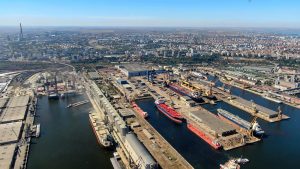
The escalation of Russian attacks on the ports of Great Odesa is forcing market participants to increasingly turn to war risk clauses in maritime transport contracts.
This was told to USM by Interlegal’s leading lawyer Diana Mikhailova.
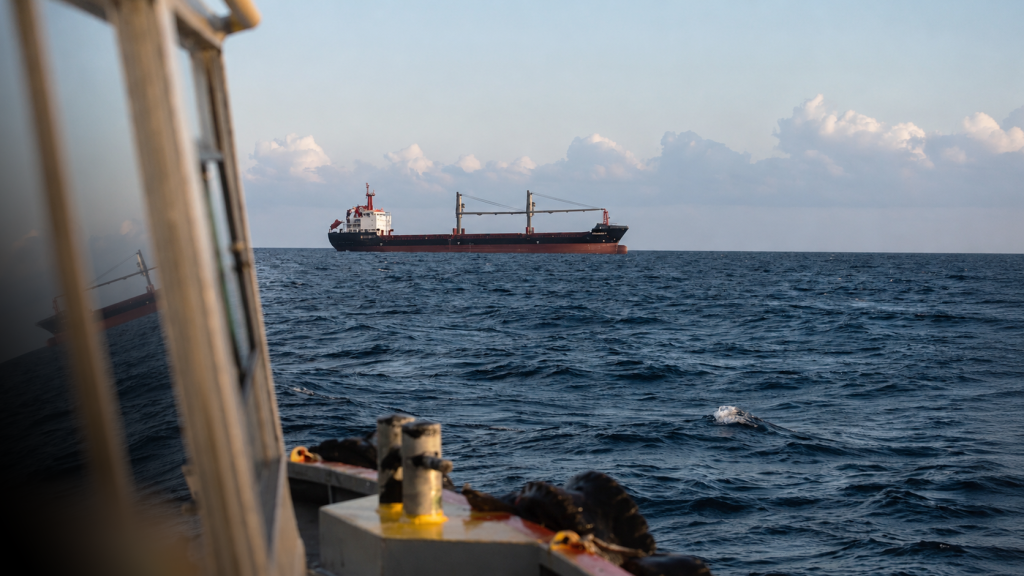
According to her, after the recent attacks, shipowners with loaded vessels often refuse to enter the ports of Great Odesa, citing war risk clauses, in particular the standard GENCON proforma clauses. In such cases, they require charterers to designate an alternative port, while the vessels remain awaiting new instructions.
“For charterers, this means not only additional costs for cargo delivery to Ukraine, but also the risk of breach of obligations to counterparties,” Mikhailova notes.
Interlegal believes that current maritime transport contracts are not yet fully adapted to modern war risks. Standard clauses leave the parties with wide scope for different interpretations, in particular regarding the port’s safety criteria, the shipowner’s right to refuse to call at it, the distribution of costs due to a change in route or vessel downtime, as well as additional war risk insurance (EWRI) coverage.
According to the lawyer, such conflicts can be minimized at the stage of concluding the charter by agreeing in detail on the parties’ course of action in the event of a deterioration in the security situation.
USM previously reported that after launching new models of cooperation with agricultural producers, Nibulon recorded an increase in demand for grain storage services by approximately 30%.