The register of vessels under the Russian flag has increased by 36% – the shadow fleet is losing convenient flags
25.09.2026 - 11:57
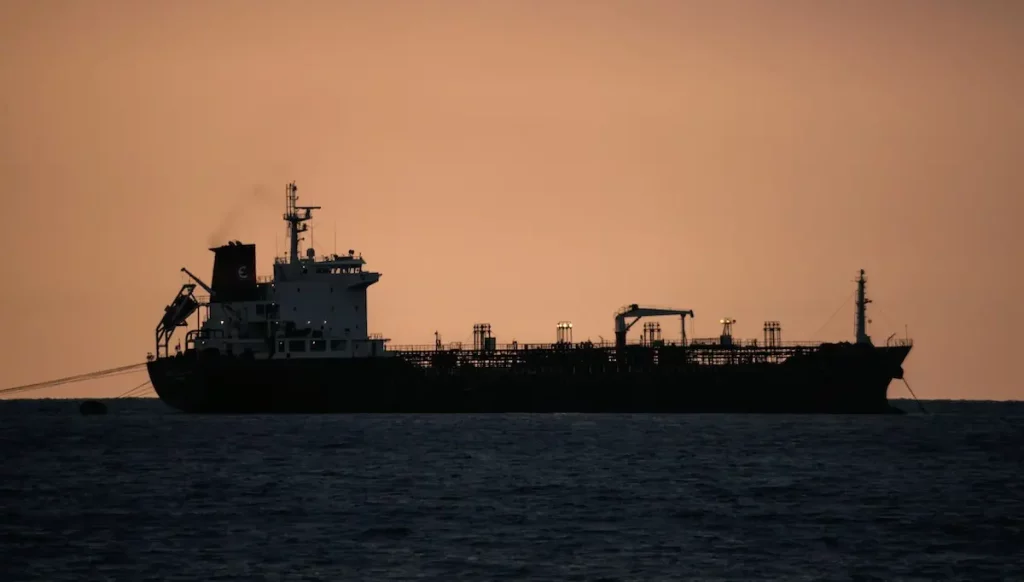
More and more Russian ships are stopping flying false flags due to the risk of detention.
Since the end of 2025, the register of ships flying the Russian flag has grown by 36%. This is stated in the analysis of CREA, writes DW.
During this period, 107 ships were added to the list. The peak fell on December 2025, when 25 new positions were added in one month.
The reason is a change in the policy of open registers, which no longer allow the transportation of sanctioned cargo. Barbados and Palau have completely cleared their registers of such ships. Panama has reduced their number by almost two-thirds compared to the peak in May 2025. At the same time, the world’s largest ship registries have launched a joint RISC database to combat flagging and other forms of circumvention of restrictions.
As a result, the “shadow fleet” was faced with a choice: fly false flags with the risk of detention or switch to the Russian register. By June, 46 ships that had previously flown under the flags of the Comoros or Gambia had registered in Russia. Others had switched to the flags of Sierra Leone and Equatorial Guinea or were continuing to operate without a recognized flag at all.
The indicative statistics of the transfers: 93 of the 107 ships that entered the Russian register were previously under sanctions, and 90 were under restrictions from more than one jurisdiction. Ships that carried Russian oil before the first sanctions were imposed changed flags three times more often. Sixteen of them also carried Iranian or Venezuelan oil.
After changing the flag to the Russian one, the ships continued to operate. They transported oil worth €5.2 billion, mainly to China, including using ship-to-ship transshipment schemes in Egypt and the Red Sea.
The Russian flag has proven problematic after the Arctic Metagaz gas tanker caught fire in the Mediterranean in March, leaving Libya, Malta and Italy to deal with the crisis on their own.
“The Arctic Metagaz incident has exposed the Russian flag for what it really is: a shield for dangerous vessels that provides no support in the event of a disaster and leaves coastal states with the task of managing risks and mitigating the consequences,” said analyst Luke Wickenden.
Reference. Arctic Metagaz is one of about ten vessels involved in transporting sanctioned LNG from the Russian Arctic LNG-2 terminal to the port of Beihai in southern China. The vessel has been under US and UK sanctions since 2024.
USM previously reported that Albania had not allowed a Russian “shadow fleet” tanker to enter the port of Durres due to sanctions.