Crisis is inevitable: how events in the Strait of Hormuz affect logistics and prices in Ukraine
14.05.2026 - 18:00
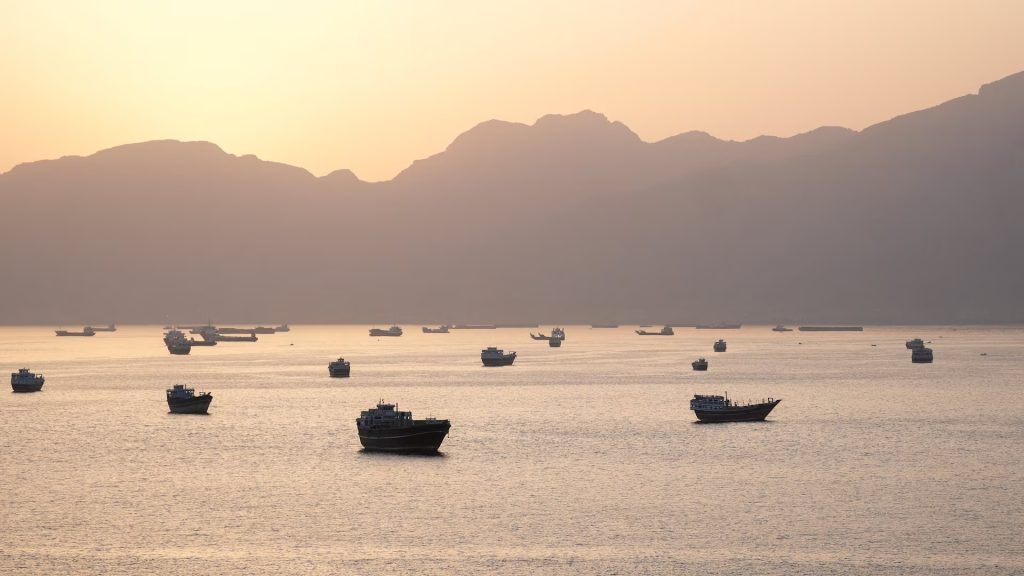
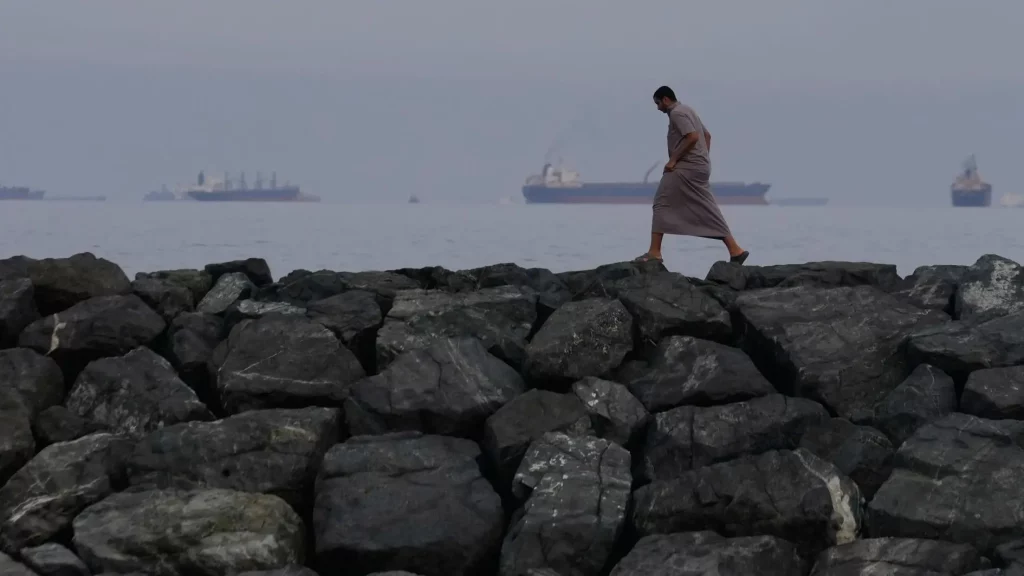
The Strait of Hormuz is thousands of kilometers from Ukraine, but its crisis is already being felt by Black Sea freight. USM gathered the opinions of Ukrainian experts in the field of shipping and logistics to find out how events in the Middle East affect Ukraine.
It has been more than two months since Donald Trump announced the operation against Iran. The reason was the Iranian nuclear program, missile threats and attacks on US allies in the region. In response, Tehran effectively restricted traffic through the Strait of Hormuz, through which about 20 million barrels of oil and petroleum products passed per day. Due to the failure of negotiations and Tehran’s refusal to make concessions, Washington itself closed the strait, but only to ships in Iranian ports.
The crisis quickly spread throughout the global economy. Oil, fuel, insurance and maritime transportation became more expensive. Bunker indicators have more than doubled from February levels, container lines have begun to introduce war risk premiums, and some tonnage has effectively been withdrawn from circulation.
Read below what participants in the fuel, grain, freight, container and forwarding markets told USM about the impact of the crisis in the Strait of Hormuz.
Why Hormuz is not a repeat of the Red Sea
In 2023, global shipping was already going through a similar crisis. At that time, the Iranian-backed Houthi group in Yemen began attacking ships in the Red Sea, one of the key routes between Asia and Europe. This immediately became a serious problem for businesses. Hundreds of ships were forced to abandon the Suez Canal and take a much longer route around Africa.
This increased the cost of fuel, freight and insurance, and companies had to pay more for delivery. But Hormuz is a more complicated case. The Red Sea could be bypassed, albeit expensively. The Strait of Hormuz, on the other hand, is the main exit from the Persian Gulf, so any disruption there affects not only the routes, but also oil, bunkers, insurance and transportation costs around the world.
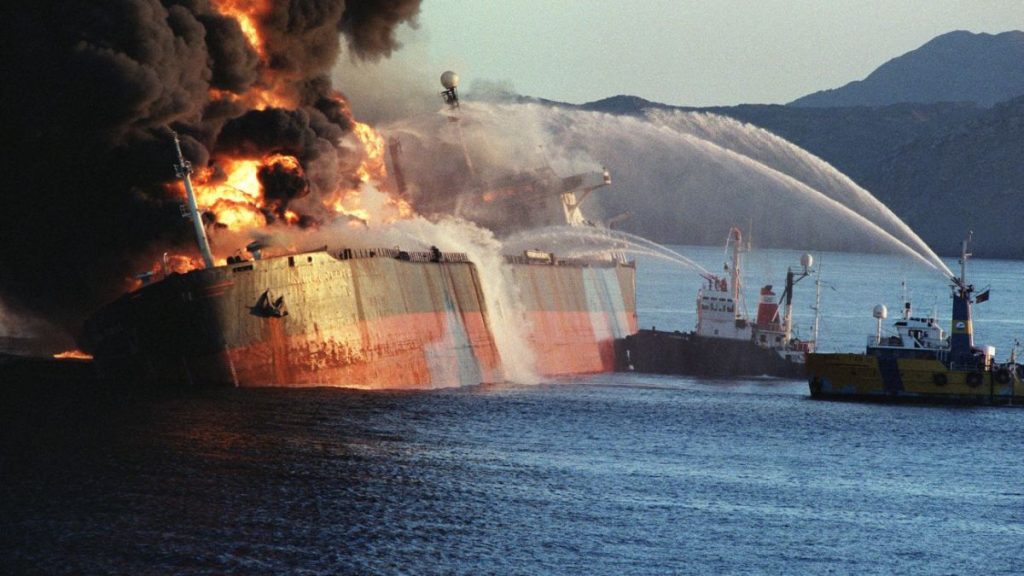
“The story with the Houthis is different from today’s conflict in that suppliers had an alternative route. Companies sent tankers to bypass the Bab el-Mandeb Strait around the African continent. This led to an increase in transportation costs and increased demand for large-capacity vessels, but did not lead to a loss of volumes in the market globally. Instead, the Strait of Hormuz is a bottleneck with only one way out,” explains Serhiy Kuyun, director of the A-95 consulting group.
The head of the Association of International Forwarders of Ukraine, Viktor Berestenko, also believes that the experience of the Red Sea has changed the behavior of business. Companies are no longer waiting “for everything to be over,” but are immediately laying down alternative routes, time buffers, reviewing contracts and insurance. But the Persian Gulf is more complicated, because it is not only a route risk, but also an energy risk.
“The main conclusion: business no longer perceives geopolitical risk as a temporary deviation. It has become part of pricing. But the escalation in the Persian Gulf is a more complicated case, because it is not only a route risk, but also an energy risk: a significant part of the world’s oil and LNG flow passes through the strait,” Berestenko emphasizes.
Henri Petrosyan, director of the logistics company LUKRO, formulates this even more broadly: the market adapts to almost any shock, but adaptation is never free.
“The crisis simply passes from the form of chaos to the form of costs. When a threat appears — war, blockade of the route, sanctions, attacks on tankers — business does not stop. It restructures: it looks for new routes, changes suppliers, insures risks, increases strategic reserves, reviews prices. And the price of adaptation is always high,” says Petrosyan.
According to him, logistics after the war in Ukraine, the blockade of the Bab el-Mandeb Strait and the crisis in the Persian Gulf will not return to its previous state. The market has learned to work through external hubs, accepting higher costs and lower volumes, but that doesn’t mean the risk has disappeared. It has simply become part of the system.
For the Black Sea, this is not a direct blow, but a cost multiplier
Despite the scale of the crisis, its impact on the Black Sea should not be described as a mechanical flow of fleets from one region to another. Gennady Ivanov, Director and Co-Founder of BPG Shipping, notes that vessels operating in the Persian Gulf and vessels operating in the Black Sea do not overlap for the most part.
That is, Hormuz does not directly take the same tonnage that could work with Ukrainian ports. For Ukraine, according to Ivanov, the greatest impact was manifested differently – due to the increase in fuel prices, the increase in the risks of calling at ports and the reduction in the number of shipowners willing to work with Ukrainian cargoes.
“Vessels operating in the Persian Gulf and the Black Sea do not overlap. For Ukraine, in the context of freight, the greatest impact was the price of fuel. IFO/MGO in Istanbul – Gibraltar, according to our estimates, almost doubled. Plus the risks of the West, which, unfortunately, are on the rise and are reducing the number of shipowners willing to come to us,” Ivanov notes.
A separate factor is the next wave of attacks by the Russian Federation on ships entering Ukraine. This further narrows the choice of tonnage for the Ukrainian market.
At the same time, Ivanov adds: the freight has not grown “cosmically”, because the Med–Black Sea zone is currently generally stagnant. But if volatility returns to the region, the freight may fluctuate strongly in the direction of growth. If the Houthis start attacking the Red Sea again, and especially when the grain season begins, the freight to the east will be very expensive.
Viktor Berestenko also does not see a sharp jump in rates from Ukraine precisely through the Strait of Hormuz. For the Black Sea, the premium for war risk has already been built into the market due to a full-scale war. But Hormuz added three factors: more expensive bunker, shipowner caution, and the risk of capacity flowing to more marginal or safe routes.
Therefore, for Ukrainian exports, the Strait of Hormuz works not as a separate button that instantly raised the rates, but as a multiplier of already existing costs.
Fuel is the fastest channel of influence
According to the A-95 consulting group, by the end of February, wholesale premiums had increased by an average of $70–80/t. This adds approximately UAH 3–3.5/l to the quotes, which themselves have increased significantly.
Global prices for bunker fuel, fuel oil, and sulfur gas oil have doubled. But the growth in military insurance premiums has made an equally significant contribution.
BPG Shipping also calls fuel itself a key factor for Ukrainian freight. Thus, the increase in the price of IFO/MGO in Istanbul — Gibraltar has become the most tangible channel of influence for Ukraine. This changes not only the cost of the voyage, but also the behavior of the fleet. That is, ships are ballasted less and more often remain in the region where they are already located.
Open indicators confirm the scale of the fuel shock. Drewry, using Singapore VLSFO as a benchmark, noted that bunker prices have increased by more than 100% from the average level in February 2026. On the C3 Tubarao–Qingdao route, freight rates have increased by about 24%, and the share of bunker in the freight cost for non-scrubber Capesize has risen from less than 50% to more than 85%.
Head of AMEU Viktor Berestenko, however, warns: bunker cannot be considered in isolation from other factors. Today, freight is formed as a sum of risks.
“Fuel, insurance, delays, detours, fleet availability — all this simultaneously puts pressure on the rate,” he notes.
Container segment: surcharges, routes and equipment shortages
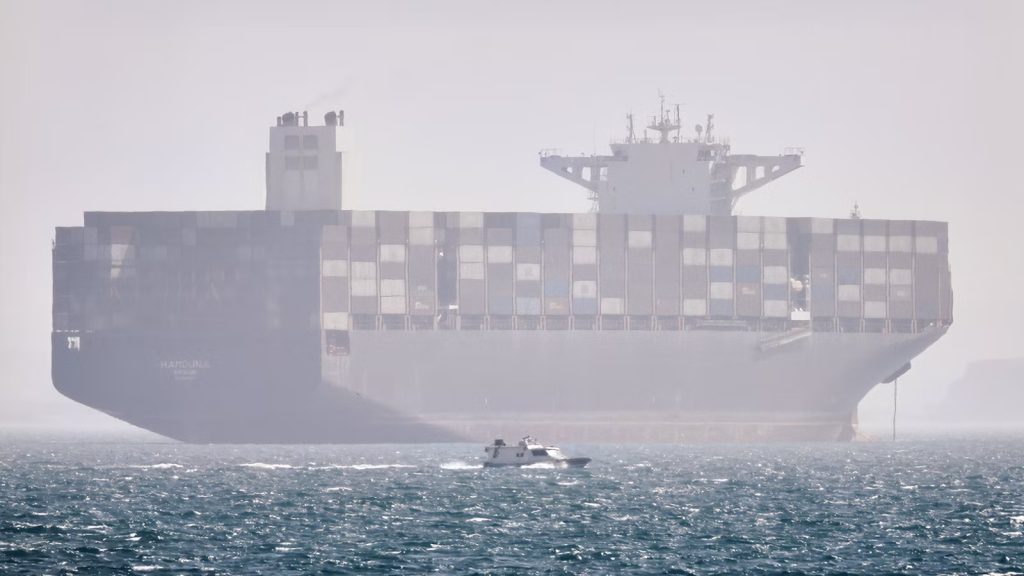
In container logistics, the response to the crisis was almost instantaneous. LUKRO Director Henri Petrosyan notes that within 24–48 hours of the escalation, shipping lines introduced military surcharges on the routes to the ports of the Middle East and the Persian Gulf — about $2,000–3,000 per TEU/FEU.
At the same time, the problem is not only in rates. According to the Norwegian analytical platform Xeneta, the conflict has displaced about 250,000 TEU of weekly container capacity. Even a short truce, according to analysts, does not mean a quick return to normal work: carriers have already spent resources on alternative routes and will not immediately abandon them without guarantees of stability.
At the same time, Viktor Berestenko draws attention to a factor that is often overlooked — equipment. The crisis in Hormuz has exacerbated the global failure of the cycle of returning empty containers. That is, a shipment can “hang” even when the freight has already been agreed upon – simply due to the lack of a container in the right place.
Insurance: when the problem is not only in the price
The military conflict also led to an increase in insurance risks for shipping. According to Reuters, in the first days after the US and Israeli strikes on Iran, the cost of military insurance for ships in the Persian Gulf increased several times. Some insurers raised premiums from approximately 0.2% to 1% of the ship’s cost, and some companies temporarily refused to cover voyages through the Strait of Hormuz at all. For large tankers, this meant additional hundreds of thousands of dollars in costs for just one passage through the region. Obviously, the situation only became more complicated over time.
“For tankers in the Persian Gulf, military insurance premiums increased 10–12 times, to 3–5% of the ship’s cost. For example, for transportation by an LR1 class tanker, the market value of which is on average $40 million, an additional $1.2–1.9 million has to be paid. And this is an additional $15–25/t on the final cost of the cargo,” says Serhiy Kuyun.
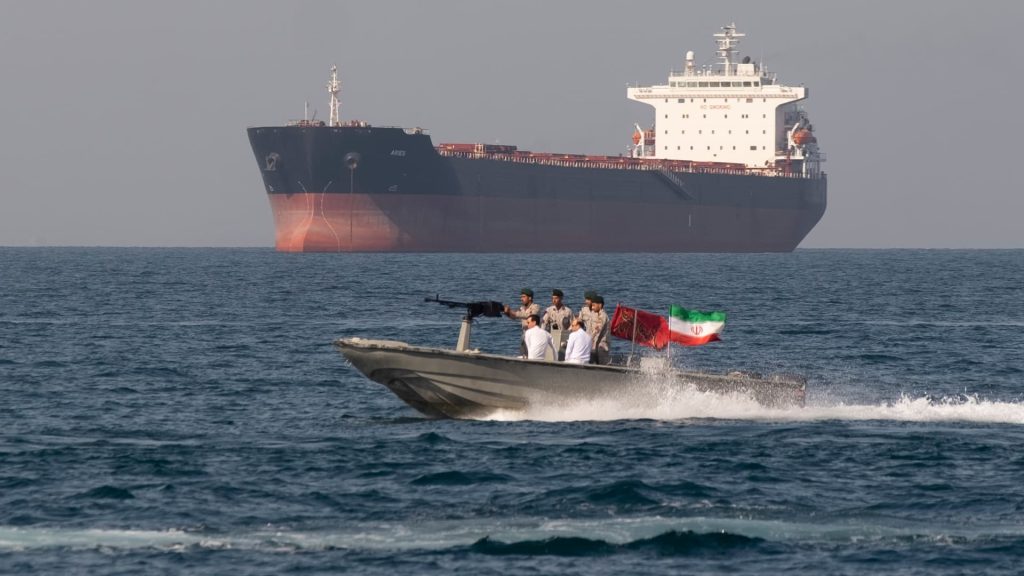
In contrast, the consequences for the container segment are somewhat milder. On some passages through Hormuz, quotes reached 2–3% of the vessel’s value. However, this actually puts the voyage on the verge of economic feasibility, adds Viktor Berestenko, head of the Association of International Forwarders of Ukraine.
In contrast, in the Black Sea, the premium for war risk has long been high, but more stable. Berestenko estimates the insurance premium for a container ship’s call at Ukrainian ports at 0.5 to 1%, depending on the voyage, coverage period, and risk. LUKRO Director Henri Petrosyan speaks of a narrower range — from 0.5% to about 0.6%.
But the main problem is not always in the cost. Sometimes the issue is in the very fact of coverage. Petrosyan recalls that over the past year there have been cases when, during periods of increased shelling of port infrastructure, insurance companies urgently revised conditions, tariffs, and premiums. According to him, in the winter of 2026, after the destruction of ports, terminals and oil industry enterprises, this became a reason for the cancellation of many export contracts.
Berestenko describes a similar mechanism: there may be few such cases publicly, but the market sees them regularly. If the insurer does not provide coverage or provides it at a price that “kills” the logistics economy, the transportation simply does not take place. Formally, the contract may remain valid, but it is no longer possible to fulfill it on the same terms.
In the grain segment, the situation is somewhat different. Bohdan Kostetsky, co-owner and operating partner of the trade and analytical company Barva Invest, estimates insurance costs in the Black Sea at around $1/t. But he immediately adds that such coverage is often impractical.
“Insurance premiums are around a dollar per ton, but such coverage is worthless. It does not cover anything, because it may happen that the insurance is included after the loaded vessel enters neutral waters. “And our risk zone is near the piers,” says Kostetsky.
Grain market: freight is only part of the problem
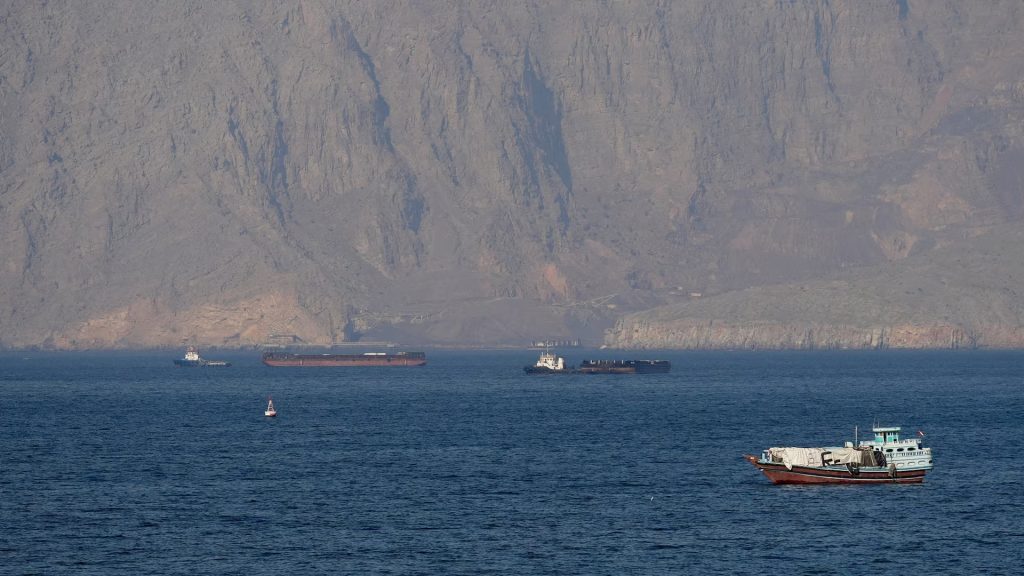
For the grain market, the impact of Hormuz is not limited to the freight rate. Bohdan Kostetsky emphasizes that freight is only one element of a broader chain. The crisis is hitting fuel, fertilizers, producer expectations, buyer behavior, and end markets.
“There is a multifactorial picture here. I will not say big words that this is the most difficult in the history of mankind, but every day and week of this blockade spins the inflationary flywheel on the blockade. Freight is only one of the elements of the impact of these events,” the expert says.
According to his assessment, fuel for the grain fleet has also risen significantly in price — from $60 to about $100. But freight is reacting more restrainedly — by about 10–20%. The reason is that there is currently no shortage of vessels in the Black Sea-Mediterranean basin. On the contrary, the available tonnage may even exceed the actual demand for transportation.
“The producer has taken a wait-and-see approach. Prices are rising quite objectively, and he believes they must be even higher, because the cost price has risen, according to various estimates, by 20–35%. Sellers who hold goods that are actually denominated in foreign currency do not seek to accumulate excess hryvnia funds in their accounts. They sell for current needs and try to stay in the goods,” explains Kostetsky.
As a result, shipowners have found themselves between two forces: on the one hand, the vessel’s downtime costs money every day, and on the other, the export offer is moving more slowly than it could.
Kostetsky estimates that this month Ukraine can export about 2–2.2 million tons of corn. To fulfill the export task, he says, it would be necessary to export about 3 million tons. Technically, Ukraine is capable of doing this, but liquidity is slowing down, the price of corn is rising, and this further reinforces the sellers’ decision not to rush.
A separate impact of the crisis was manifested in the change in the end markets and the weight of individual directions. This season, Ukraine imports grain mainly to Turkey and Italy. At the same time, the role of Turkey has further strengthened after the opening of an import quota for 3 million tons of corn with a reduced duty — from 130% to 5% by the end of July. This made the Turkish direction a premium one for Ukrainian corn.
Whereas previously, Spain and North Africa looked more competitive. Part of the traditional European market for Ukraine — the Netherlands, Belgium and Spain — was captured by American corn this year.
Despite this, Ukraine still needs to export about 8 million tons of corn. Turkey can take about 3 million tons, Italy — about 1.5 million tons. If the Ukrainian producer does not agree to compete more actively with the Americans, part of the volumes may be transferred to the next season. However, in the face of several price cataclysms and a possible new wave of inflation, larger transitional balances may not be the worst-case scenario, Kostetsky emphasizes.
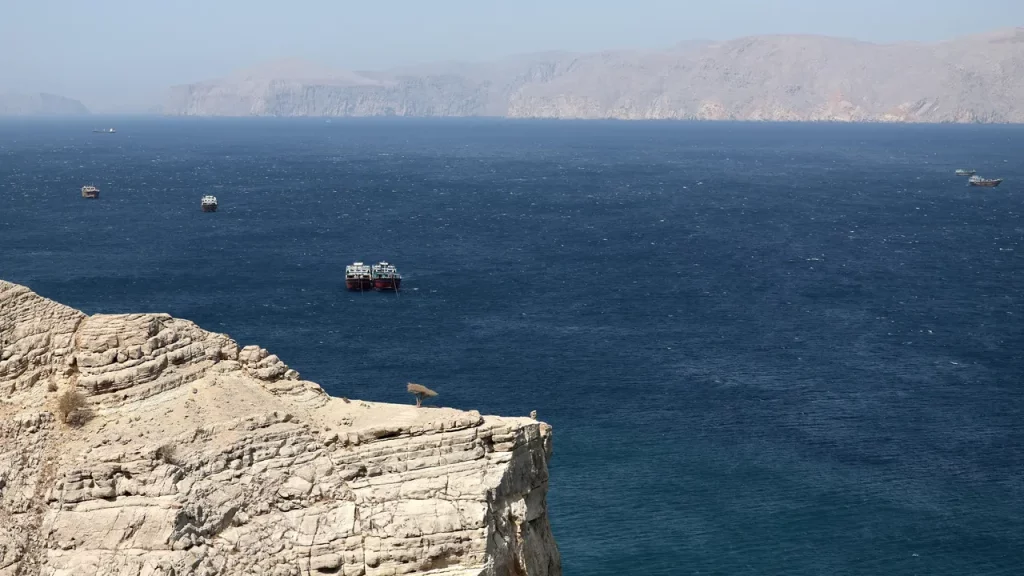
The most sensitive part of his assessment concerns the Iranian direction. Kostetsky notes that Iran has traditionally imported Ukrainian corn and has significant import needs — about 9–10 million tons. According to him, some of the Ukrainian corn could actually go to Iran through intermediate destinations. Since the beginning of the blockade of the Strait of Hormuz, some of the ships that were formally going to Turkey have changed direction and unloaded in the Spanish and Egyptian markets.
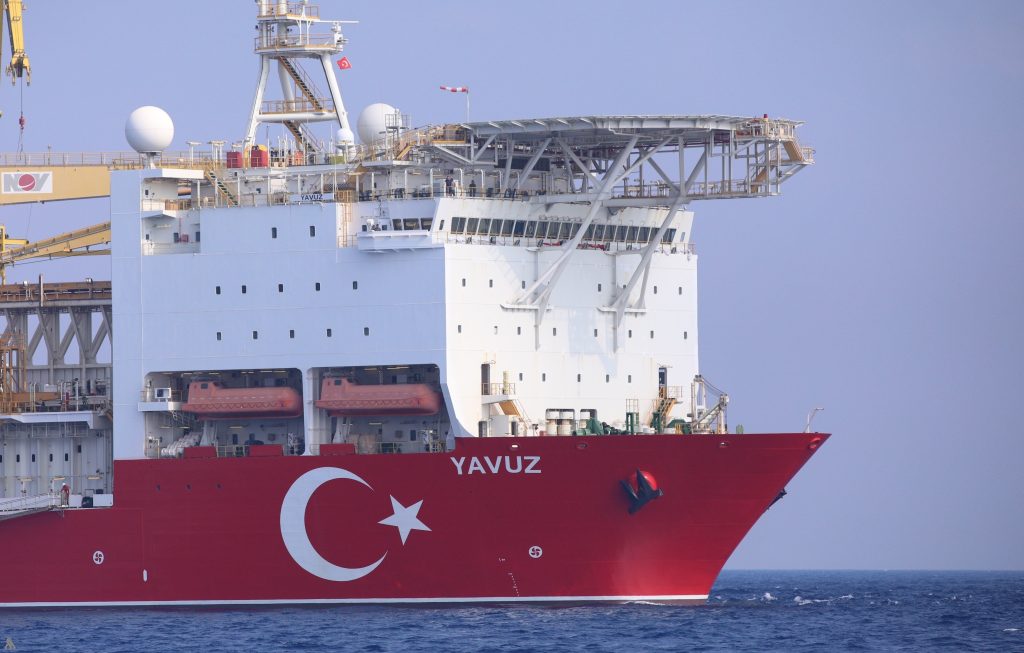
Although the issue of Turkey goes far beyond grain. For Ukrainian logistics, it increasingly works as a hub primarily due to geography.
Henri Petrosyan does not undertake to assess Turkey’s role through a political prism. In his opinion, politics changes faster than fundamental logistical factors. And Turkey’s foundation is its location at the junction of Europe, Asia, the Black Sea, the Mediterranean, and the Middle East.
“Control of the Bosphorus and Dardanelles straits, access to the Black Sea, land corridors to the Caucasus, Central Asia, and the Middle East — all this makes the country a natural transit hub,” he explains.
According to Petrosyan, the full-scale war in Ukraine, the change of routes in the Black Sea, the war in Gaza, the crises in the Red Sea and the Persian Gulf have given impetus to new logistics projects, of which Turkey is an integral part.
“Turkey today is no longer just a bridge between Europe and Asia, but one of the key centers of the new logistics architecture of the region,” Petrosyan concludes.
Does it only get worse?
The market has not yet fully assessed the long-term consequences of the crisis. Gennady Ivanov names three underestimated factors.
The first, as mentioned above, is tonnage fragmentation. Due to high fuel prices, ships are ballasted less and more often stay in the region where they are already located. This can create local surges in volatility even without a global fleet deficit.
The second is the risk of non-availability of bunker, i.e. a potential shortage of bunkers in certain regions.
The third is deferred demand after the end of hostilities in the Persian Gulf, which can sharply push up freight rates.
Serhiy Kuyun draws attention to another risk – depletion of fuel reserves.
“So far, buyer countries have fuel reserves that soften the blow of the crisis. But if the conflict in the Middle East is protracted, the market will face depletion of reserves that will be impossible to restore. The situation is particularly difficult with aviation fuel. Europe was critically dependent on Jet supplies from Kuwait and the UAE, and European countries do not hold strategic reserves of aviation fuel, like gasoline or diesel,” says Kuyun.
Viktor Berestenko believes that the market still underestimates the real cost of logistics. Many companies calculate it as a freight rate or transportation price. But today this is not enough. The real cost is transportation plus risk: delays, contract disruptions, insurance refusal, forced change of route.
If the situation in Hormuz drags on, freight in the Black Sea is unlikely to jump in one day. But almost all experts expect that the cost of transportation will remain under pressure.
“There will not be a sharp jump in one day, but there will be a slow increase in cost. The main drivers are more expensive bunker, higher insurance premiums, less willingness of shipowners to operate in risky waters, possible shifting of capacity to other routes, additional fees from [container] lines,” says Berestenko.
Henri Petrosyan also believes that if the blockade of Hormuz is prolonged, freight in the Black Sea will almost certainly increase, although not instantly and not equally across all segments. The reason is that Hormuz affects global energy flows, insurance, bunkering and tonnage redistribution, and the Black Sea is part of the same global fleet system.
In contrast, Serhiy Kuyun formulates this through the basic components of the cost price: if the crisis continues, they will remain high. Further dynamics will depend on how the demand for vessels and transportation volumes change in the event of a shortage in the region.
For the agricultural market, Hormuz has already changed not only freight, but also the cost price of future production. More expensive fuel, fertilizers, drying, harvesting and logistics raise the threshold of the price at which a producer is willing to sell.
However, the consequences of Hormuz have not yet fully materialized for the global market. Sea transportation is slow: a tanker or bulk carrier moves “at about the speed of a bicycle,” so some of the effects come with a delay, adds Bohdan Kostetsky.
In his opinion, even if the situation stabilizes, prices are unlikely to quickly return to the levels that were before the current escalation. More expensive fuel, more expensive and less accessible fertilizers and higher production costs have already changed the threshold at which a Ukrainian producer is willing to sell their resources.
“I do not believe that prices will return to the levels that preceded the current escalation in the Middle East. Perhaps they will stabilize. But fundamentally, there is enough grain in the world today. Another thing is the rise in the price of fertilizers, restrictions on their availability, and the rise in the price of fuel. All this in combination increases the cost of production. And this means that the threshold for making a decision for the agricultural producer is rising,” says Kostetsky.
Daniil Popov