Due to restrictions on exports through ports, the agricultural sector will need up to €4 billion, — Ministry of Agrarian Policy
10.09.2026 - 14:03

The Ministry of Agriculture discussed with the European Bank for Reconstruction and Development support for the liquidity of the agricultural sector, logistics and development of irrigation.
Minister of Agricultural Policy of Ukraine Taras Vysotskyi met with the EBRD team led by Arvid Türkner, the Ministry of Agrarian Policy reported.
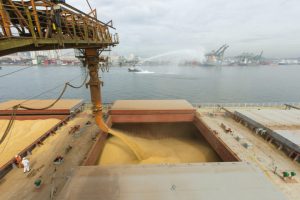
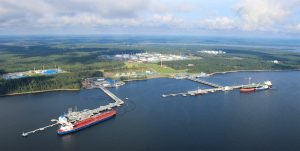
The key topic was the situation in the agricultural sector in the context of restrictions on exports through the Black Sea ports and the need to provide agricultural producers with financial resources to continue their work.
Taras Vysotsky emphasized that without the full operation of the Black Sea ports, it is difficult for Ukraine to ensure the necessary volumes of agricultural exports. Prolonged export restrictions create risks not only for the current season, but also for preparations for the next sowing campaign.
“Today, the main task is to provide farmers with liquidity so that they can carry out the autumn sowing, fulfill current obligations and prepare for the next season. For this, it is important to make maximum use of available credit and guarantee instruments. We look forward to further cooperation with the EBRD in this direction,” Taras Vysotsky noted.
According to the ministry’s estimates, by the start of the spring sowing season, the agricultural sector will need to attract up to 4 billion euros in financial resources from various sources. A significant part of business needs now falls on working capital — funds for the purchase of seeds, fertilizers, plant protection products, fuel, payment of salaries and fulfillment of other operational obligations.
During the meeting, the parties discussed the possibilities of expanding the existing EBRD instruments for distributing credit risks through Ukrainian banks and strengthening the agricultural component of such programs. EBRD representatives reported that they would analyze the existing limits and possible barriers to financing the agricultural sector, as well as the possibility of their prompt adjustment.
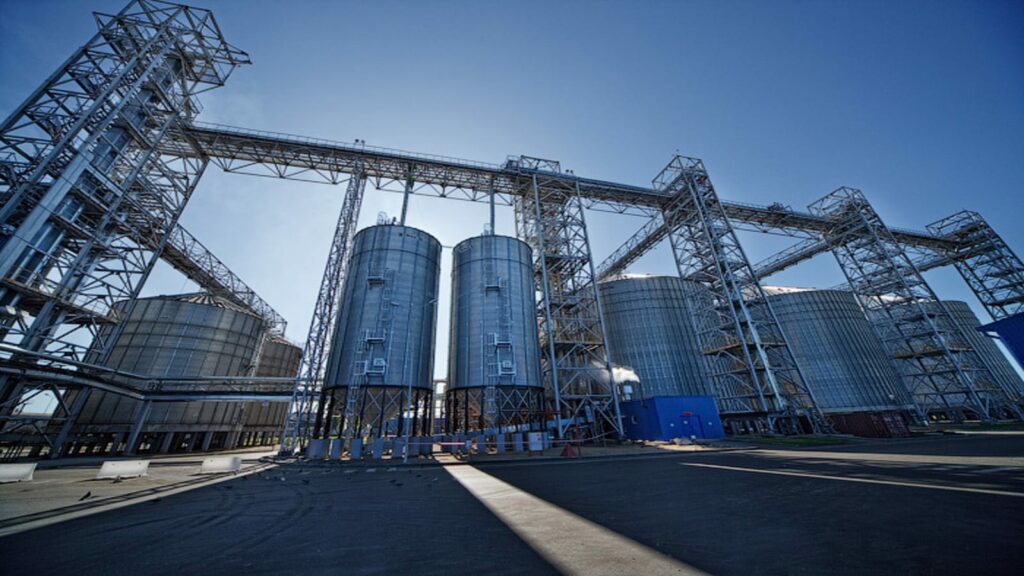
Separately, the issue of crop storage was discussed. At the current pace of exports, the need for additional temporary capacities for storing grain and oilseeds is growing. A significant part of the necessary financing for the purchase of grain sleeves and other solutions has already been attracted with the support of international partners. The EBRD will also explore the possibility of joining this direction.
Another topic is additional costs for transporting agricultural products from frontline areas and the operation of alternative export routes. According to Taras Vysotsky, due to security risks, the Danube is currently operating below its potential capacity, and the use of alternative logistics significantly increases farmers’ costs.
EBRD representatives noted that the Bank will also consider the possibility of supporting mechanisms related to the compensation of part of the logistics costs and the movement of products from dangerous areas.
Earlier, USM reported that Ukraine expects to increase exports through the ports of Poland.