Kernel and NASA Harvest tested satellite crop rotation audit in Ukrainian fields
15.10.2026 - 13:10
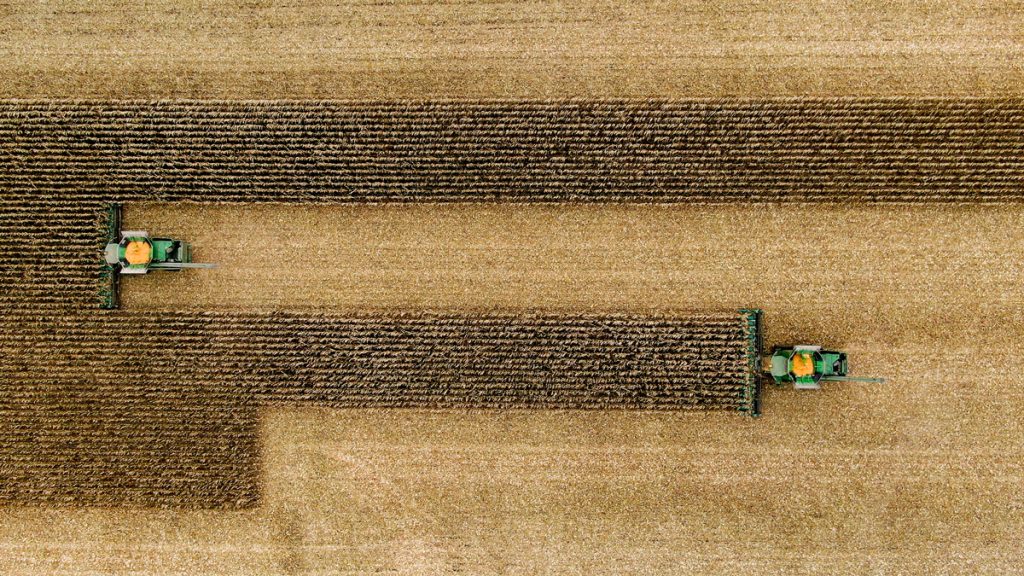
Kernel and the international initiative NASA Harvest have received the first results of testing satellite monitoring technology for crop rotation in Ukrainian fields.
USM reported this in Kernel.
The University of Strasbourg, the EBRD and the Food and Agriculture Organization of the United Nations (FAO) also participate in the study. The goal of the project is to create a digital tool that will allow remote verification of compliance with sustainable agricultural practices over several years.
To calibrate the system, Kernel transferred data from 87 fields that are part of the company’s pilot carbon project and undergo independent international validation. This allowed comparing satellite data with actual information about crops and field operations.
In particular, scientists analyzed the company’s fields in Sumy and Chernihiv regions and recreated the history of crop rotation over several years.
According to the study, the proportion of cases where the same crop was grown on the same field for two consecutive years decreased from 16.5% in 2017–2020 to 0.8% in 2021–2025.
Kernel noted that satellite confirmation of field history can simplify the audit of agricultural producers when attracting international financing, certification, and working with EU market requirements.
The next stage of testing involves determining soil cultivation methods, as well as areas under sidereal and cover crops. In the future, the system is planned to be scaled up to the entire Ukraine.
USM previously reported that Kernel had attracted 100 million euros for the construction of a wind power plant.