Grain

Canada may partially replace Black Sea wheat in traditional markets
Due to shipping problems in the Black Sea, Canadian exporters have begun to crowd out Ukrainians on the world market.

Latvia cannot ban Russian grain transit due to risk of lawsuits worth hundreds of millions
The problem arose because Russian export grain belongs to American and Japanese companies even before it arrives in Latvia.
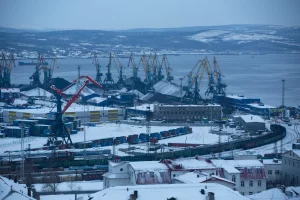
Russia reorients grain to Arctic port of Murmansk
Russian exporters are developing the new route against the backdrop of problems with traditional grain export routes across the Black Sea.

Grain is accumulating in the Black Sea region: this may increase pressure on world prices
Significant grain stocks are accumulating in the Black Sea region due to restrictions on sea exports from Ukraine and Russia.

The Western Border Takes 94% of Rail Grain Exports
Only 3.77 thousand tons of grain were delivered to the ports of Great Odesa by rail in six days.

Pope calls for safe transportation of grain across the Black Sea
The pontiff’s appeal came during Sunday prayers in St. Peter’s Square.

Russia is processing grain transit through China due to problems in the Black Sea
Russian grain exporters are working on the possibility of grain transit through China due to logistics restrictions in the Azov-Black Sea basin.

Vysotskyi: The Ministry of Agriculture has raised over $45 million for programs to support temporary grain storage facilities
The Ministry of Agrarian Policy has collected a total of over $45 million for programs to support temporary grain storage facilities in sleeves.
Lithuania is going to propose EU ban on Russian grain transit
Lithuania will propose to the European Union to ban the transit of Russian grain through the territory of the bloc.

Alternative routes could yield 3.5–4 million tons of exports per month, — LNZ Trading
For Danube ports, the current volumes are already close to the limit, while the western border has a reserve.