NIBULON exported only 60 thousand tons of grain in July out of the planned 250 thousand tons
10.08.2026 - 14:29

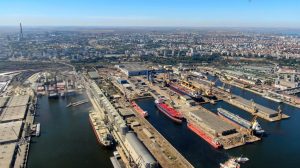
Due to restrictions on the work of Ukrainian ports due to terrorist attacks by the Russian Federation, the company was able to ship only two ships.
In July, NIBULON exported about 60 thousand tons of grain out of the planned 250 thousand tons. Thus, the company fulfilled only about 24% of the monthly plan. This was told to Forbes Ukraine by the owner of NIBULON, Andriy Vadaturskyi.
“In July, we tried to ship through the ports of Odesa, our entire program was built through them. And we were able to ship only two ships — 60 thousand tons out of the contracted about 250 thousand tons,” Vadatursky noted.
According to him, the key problem was the restrictions on the work of maritime logistics. Because of this, the actual volume of the company’s exports turned out to be more than four times less than planned.
At the same time, NIBULON, even before the problems with sea exports, invested about $25 million in the development of infrastructure on the Danube. However, after the resumption of the sea corridor, the company largely abandoned the use of this alternative route.
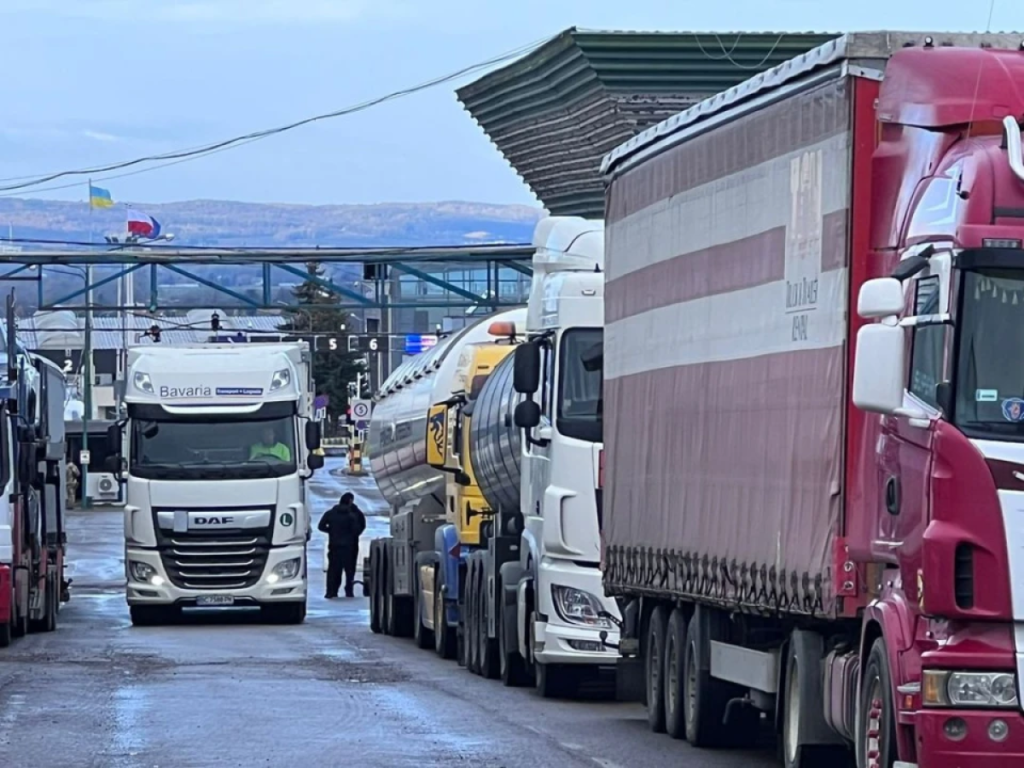
Vadatursky believes that the state should support alternative export routes even during periods when the main sea route is operating. In his opinion, this is necessary primarily so that the business has more predictable logistics.
Among the possible support instruments, he named compensation for transport costs, support mechanisms through Ukrzaliznytsia and other state programs.
At the same time, NIBULON does not assess the situation in the agricultural sector as critical. According to Vadatursky, if alternative logistics are restored and the market stabilizes, the agricultural sector of Ukraine can return to profitability within two to three months.
The situation with July shipments demonstrates the vulnerability of Ukrainian agricultural exports to disruptions in the operation of seaports. Even with contracts and ready grain, the limited availability of berths and shipping can quickly turn planned export volumes into accumulated stocks.
Instead, investments in Danube infrastructure allow creating an alternative to seaports, but without constant use and state support, such a route remains more expensive and less competitive.
As USM reported the day before, Ukrainian grain exports through ports have collapsed by 84%.